
Abnormal Psychology: Study of Unusual Behavior and Mental Disorders
Comprehensive overview of abnormal psychology: definitions, criteria, history, assessment, treatments, cultural variation, and practical importance for clinicians and researchers.
Abnormal psychology is the branch of psychology that examines patterns of thought, emotion, and behavior that deviate from what a society or scientific framework considers typical. People who work in this field—clinical and research psychologists and allied professionals—are often trained as scientists who study the mind and behavior using the scientific method. The aim is not merely to label unusual experiences as problems, but to understand causes, measure impact, and identify ways to reduce distress and impairment.
Image gallery
4 Images


Key concepts and criteria
There is no single, universally accepted definition of what makes behavior "abnormal." Clinicians commonly consider several interacting indicators rather than a single rule. These include:
- Statistical rarity: behaviors or traits that are infrequent in a population.
- Violation of social norms: actions that strongly conflict with culturally expected behavior; norms differ across cultures and historical periods.
- Dysfunction: impaired ability to carry out daily activities or to adapt to different situations.
- Personal distress: subjective suffering or discomfort that interferes with life goals or relationships; clinicians consider the degree of suffering reported or observed.
- Risk or danger: behaviors that place the individual or others at significant risk of harm or are dangerous.
Approaches and models
Abnormal psychology draws on multiple perspectives to explain why problems arise. Biological models emphasize genetics, neurochemistry, and brain structure. Psychological models focus on learning history, cognition, personality, and early relationships. Sociocultural frameworks highlight how family, community, socioeconomic factors, and cultural expectations shape experience and diagnosis. Most contemporary clinicians use a biopsychosocial approach that integrates these levels of explanation and informs individualized care.
History and changing definitions
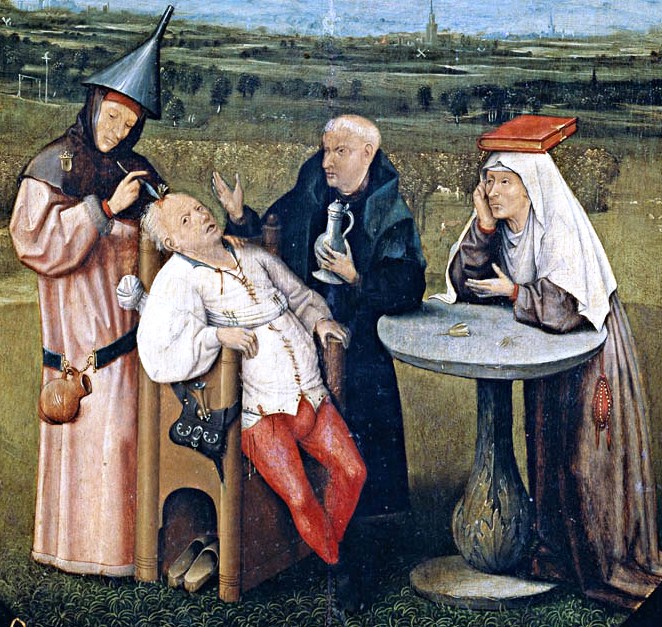
Concepts in abnormal psychology have changed substantially over time. Practices once common—such as moralistic labels or custodial confinement—have largely been abandoned in favor of evidence-based assessment and humane treatment. Diagnostic categories and professional standards also evolve: what one era or society considers pathological may later be reinterpreted or removed as understanding improves. This historical shift underscores why context, research, and ethics remain central to the field.
Assessment and treatments
Assessment combines clinical interviews, standardized tests, behavioral observation, and sometimes medical evaluation to determine the nature and severity of a concern. Diagnostic manuals and structured criteria help professionals communicate reliably, though they are tools rather than final judgments. Interventions are diverse and may include one or more of the following:
- Psychotherapies (for example, cognitive-behavioral, psychodynamic, family or interpersonal approaches)
- Psychopharmacology, when biological factors or symptom severity warrant medication managed by qualified prescribers
- Community-based supports, rehabilitation, and social interventions to improve functioning
- Preventive and early-intervention programs aimed at reducing long-term disability
Importance, examples, and distinctions
Abnormal psychology is important because it informs how societies identify and respond to mental health needs, shapes clinical training, and guides research into causes and cures. Common diagnostic groupings addressed in the field include mood disorders, anxiety disorders, psychotic disorders, personality disorders, and neurodevelopmental conditions; each has distinct patterns of symptoms and functional impact. It is also important to distinguish between unusual but harmless variation and conditions that cause substantial impairment—treatment decisions depend on the latter.
Finally, practitioners emphasize cultural sensitivity and ethical responsibility. Assessment and treatment that ignore cultural context risk mislabeling normal variations as pathology or overlooking distress that requires intervention. Ongoing research, training, and public education aim to reduce stigma and improve outcomes for people affected by mental disorders.
Questions and answers
Q: What is abnormal psychology?
A: Abnormal psychology is a branch of psychology that studies abnormal behavior, thoughts, and feelings.
Q: Who are the people that study abnormal psychology?
A: Psychologists are the people who study abnormal psychology.
Q: What is the scientific method used for in abnormal psychology?
A: In abnormal psychology, the scientific method is used to investigate the mind.
Q: How do different cultures view abnormal behavior?
A: Different cultures tend to have different views on what behavior is considered abnormal.
Q: Why is abnormal psychology used to understand or treat people with mental disorders?
A: Abnormal psychology is used to understand or to treat people with mental disorders to make life better for them.
Q: What is the definition of abnormal behavior?
A: Abnormal behavior is often defined as when someone is not able to change how they behave to fit different settings, which can cause suffering, discomfort, and might be dangerous.
Q: Do only individuals with mental disorders display abnormal behavior?
A: No, not only individuals with mental disorders display abnormal behavior, as people who can change to fit their environment around them more easily than most people can also have behavior that is considered abnormal and might also have an easier life with the help of a psychologist.
Related articles
Author
AlegsaOnline.com Abnormal Psychology: Study of Unusual Behavior and Mental Disorders Leandro Alegsa
URL: https://en.alegsaonline.com/art/460
Sources
- psychiatry.org : "Mental Health Parity"
- psychpage.com : "DSM IV TR: A Thumbnail Sketch"
- dsm5.org : "Frequently Asked Questions about DSM-5 Implementation – For Clinicians"
- apa.org : "ICD vs. DSM"
- apps.who.int : "International Statistical Classification of Diseases and Related Health Problems 10th Revision (ICD-10) Version for 2010"
- psychcentral.com : "About Behavior Therapy"
- ncbi.nlm.nih.gov : "A contemporary learning theory perspective on the etiology of anxiety disorders: It's not what you thought it was"
- counselling-directory.org.uk : "Humanistic therapies"