
Hurricane Marilyn (1995)
A Category 3 Atlantic hurricane that struck the Virgin Islands in September 1995, causing widespread destruction, 13 fatalities and over $2 billion in damage; part of the active 1995 season.
Overview: Hurricane Marilyn was a destructive tropical cyclone in the 1995 Atlantic hurricane season. It developed in mid-September and moved across the Lesser Antilles and the U.S. Virgin Islands before tracking northward into cooler waters and losing tropical characteristics. Marilyn was responsible for significant loss of life and property, and was the most powerful hurricane to hit the Virgin Islands since Hurricane Hugo in 1989. Official assessments attributed 13 deaths and more than $2 billion in damage to the storm.
Image gallery
10 Images



Meteorological history
The system that became Marilyn originated in the tropical Atlantic and was designated the fifteenth tropical depression and thirteenth named storm of the 1995 Atlantic hurricane season. It was upgraded to tropical storm and then hurricane status in a short period, reaching hurricane strength shortly after forming on September 13. Marilyn made its first significant landfall in the Lesser Antilles on September 14 as a Category 1 hurricane and intensified to a major hurricane by the time it reached the U.S. Virgin Islands. After passing north of the islands, the cyclone moved on a generally northward track, passing to the east of Bermuda, weakening over cooler waters and eventually becoming an extratropical cyclone before dissipating south of Nova Scotia on October 1.
Characteristics and behavior
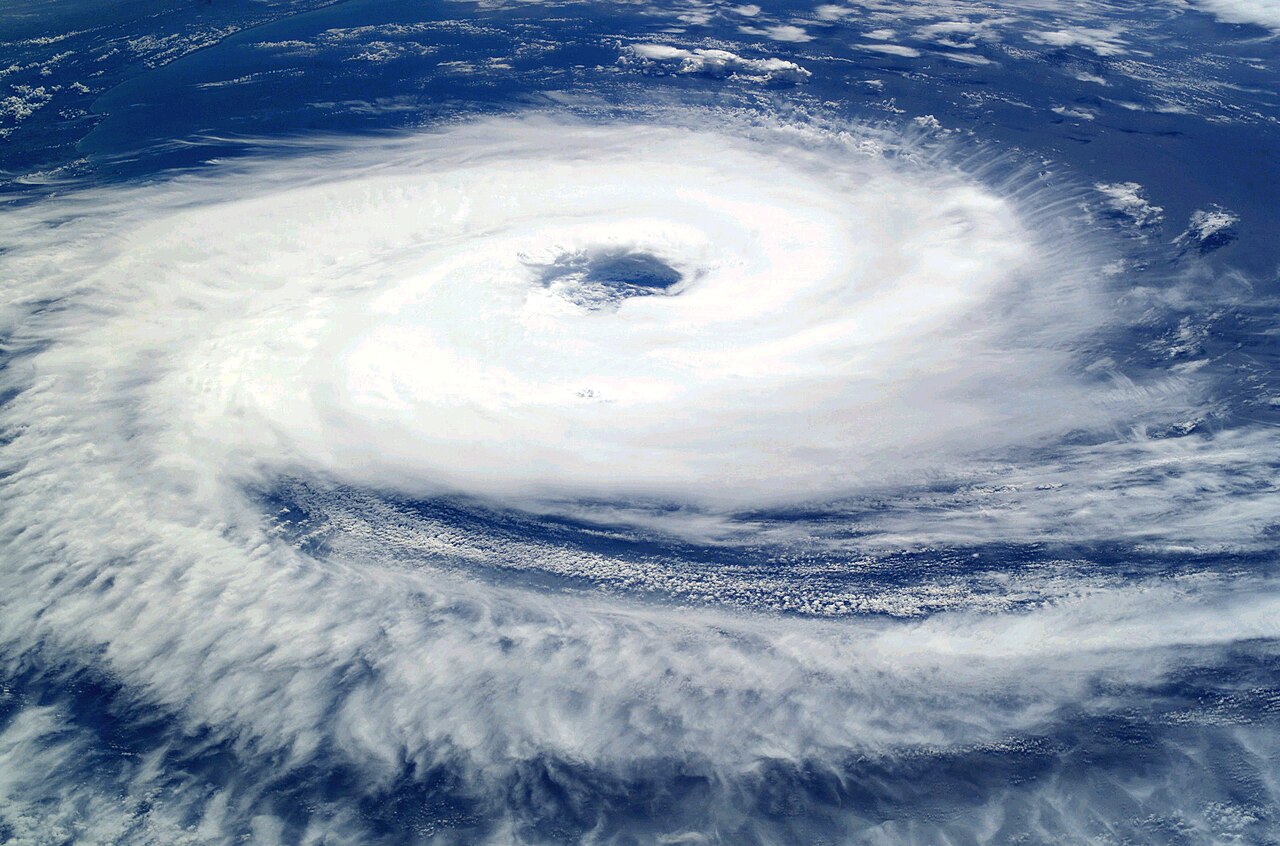
Marilyn displayed the typical structure of an Atlantic hurricane with an organized central circulation and strong convective bands. Its intensity varied along the track: relatively modest at initial island landfalls but strengthening to major hurricane intensity (Category 3) in the vicinity of the U.S. Virgin Islands. As with many tropical cyclones that move into higher latitudes, interaction with cooler sea surface temperatures and increasing wind shear led to a loss of tropical characteristics and eventual extratropical transition.
Impacts and consequences
The greatest damage occurred in the U.S. Virgin Islands and parts of the northern Lesser Antilles. The storm caused widespread structural damage to homes and infrastructure, severe roof and window damage, downed power lines, and disruptions to water, communications, and transportation. Agriculture and local businesses suffered heavy losses. The human toll included 13 confirmed fatalities and numerous injuries. Economic losses were estimated at over $2 billion, reflecting both immediate destruction and longer-term recovery costs.
Preparedness and response
Authorities issued watches and warnings in advance of Marilyn’s approach, and many residents evacuated or secured property. Relief and recovery efforts involved local governments, emergency agencies, and international aid, focusing on restoring utilities, clearing debris, and providing shelter and medical assistance. The scale of damage prompted reviews of building codes and disaster preparedness in affected territories, emphasizing stronger construction and improved early-warning systems.
Notable facts and legacy
- Marilyn was one of several impactful storms in the active 1995 season and is remembered for the severity of its effects in small island communities.
- Its comparison with Hurricane Hugo highlights the vulnerability of the U.S. Virgin Islands to powerful hurricanes and the long recovery periods that follow major strikes.
- After transitioning to an extratropical cyclone, Marilyn’s remnants continued to produce hazardous marine conditions before dissipating near Nova Scotia.
For more background on terminology and storm records, see general season summaries and historical analyses of Atlantic hurricanes available through meteorological archives and emergency management resources (named storm, 1995 season overview).
Questions and answers
Q: What was Hurricane Marilyn?
A: Hurricane Marilyn was a tropical depression and named storm in the 1995 Atlantic hurricane season.
Q: How strong was Hurricane Marilyn when it hit the Virgin Islands?
A: Hurricane Marilyn was a Category 3 strength hurricane when it hit the Virgin Islands.
Q: When did Hurricane Marilyn form and reach hurricane strength?
A: Hurricane Marilyn formed on September 13 and grew to hurricane strength soon after.
Q: How much damage did Hurricane Marilyn cause?
A: Hurricane Marilyn caused more than $2 billion in damage.
Q: How many deaths were caused by Hurricane Marilyn?
A: Hurricane Marilyn caused thirteen deaths.
Q: Where did Hurricane Marilyn make landfall?
A: Hurricane Marilyn made landfall on the Lesser Antilles.
Q: What happened to Hurricane Marilyn after it passed Bermuda?
A: Hurricane Marilyn weakened and became an extratropical cyclone before dying out just south of Nova Scotia on October 1, 1995.
Related articles
Author
AlegsaOnline.com Hurricane Marilyn (1995) Leandro Alegsa
URL: https://en.alegsaonline.com/art/45952
Sources
- wunderground.com : "Hurricane Marilyn at Weather Underground"
- www1.ncdc.noaa.gov : "Billion Dollar U.S. Weather Disasters"
- nhc.noaa.gov : "Hurricane Marilyn Prelimary Report"
- nhc.noaa.gov : "Tropical Storm Marilyn Discussion 3"
- nhc.noaa.gov : "Hurricane Marilyn Discussion 18"
- nhc.noaa.gov : "Hurricane Marilyn Discussion 19"
- nhc.noaa.gov : "Hurricane Marilyn Forecast/Advisory 18"
- nhc.noaa.gov : "Hurricane Marilyn Forecast/Advisory 19"
- nhc.noaa.gov : "Tropical Storm Marilyn Discussion 4"
- nhc.noaa.gov : "Tropical Storm Marilyn Public Advisory 4"
- nhc.noaa.gov : "Tropical Storm Marilyn Discussion 5"
- nhc.noaa.gov : "Hurricane Marilyn Discussion 9"
- nhc.noaa.gov : "Hurricane Marilyn Forecast/Advisory 20"
- nhc.noaa.gov : "Hurricane Marilyn Forecast/Advisory 21"
- nhc.noaa.gov : "Hurricane Marilyn Discussion 17"