
Hurricane Floyd (1999): overview, impact, and legacy
Hurricane Floyd was the largest and most damaging storm of the 1999 Atlantic season, threatening Florida before striking North Carolina and producing widespread flooding from the Southeast to New England.
Hurricane Floyd was the most powerful and destructive tropical cyclone of the 1999 Atlantic hurricane season. It developed into a major hurricane and at one point reached Category 4 intensity, prompting large-scale evacuations and extensive media attention. Early forecasts suggested a possible direct strike on Florida, but the storm's track shifted and it instead affected the southeastern United States and the mid-Atlantic with severe winds, surge and prolonged heavy rainfall.
Image gallery
10 Images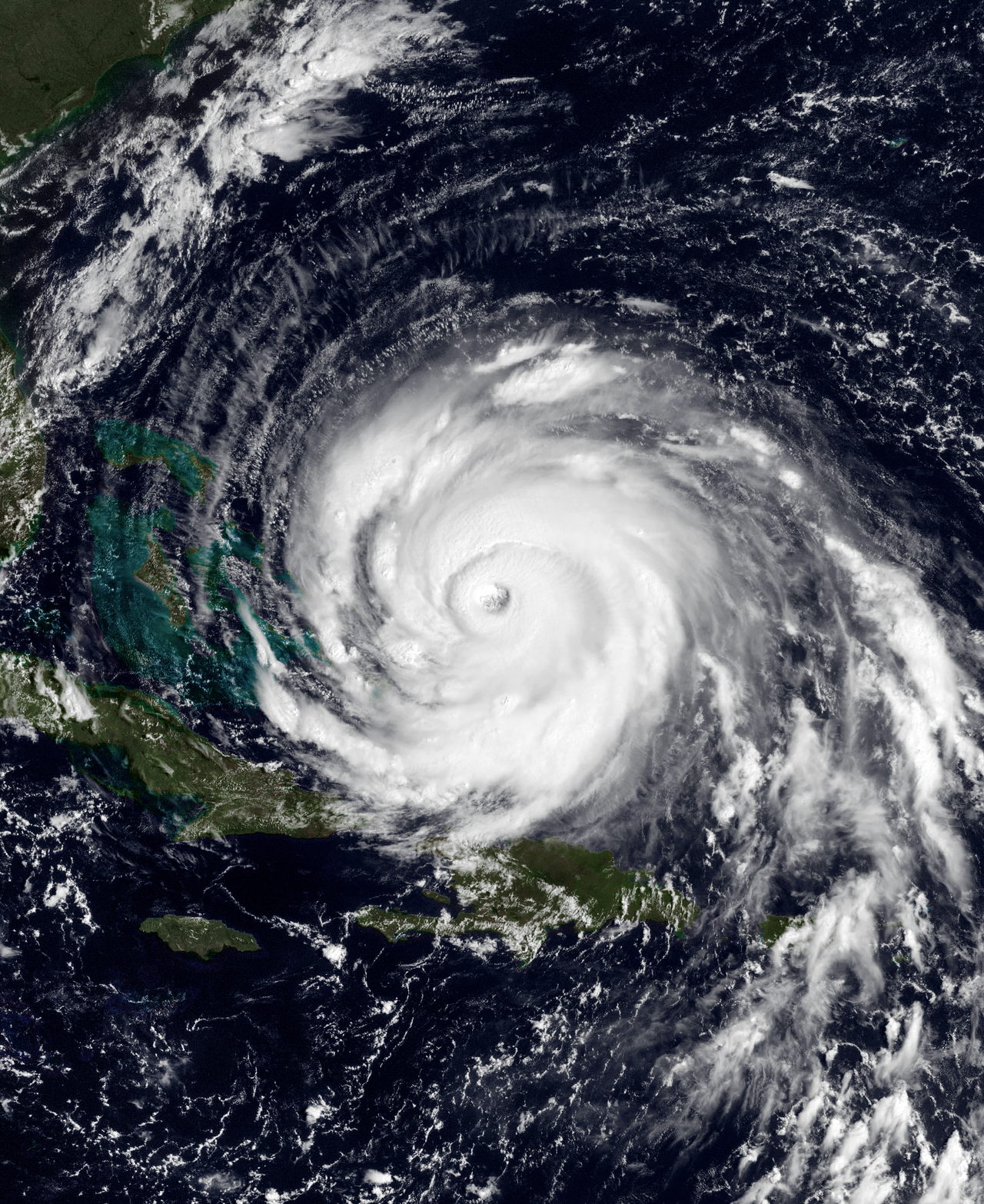





Meteorological development and track
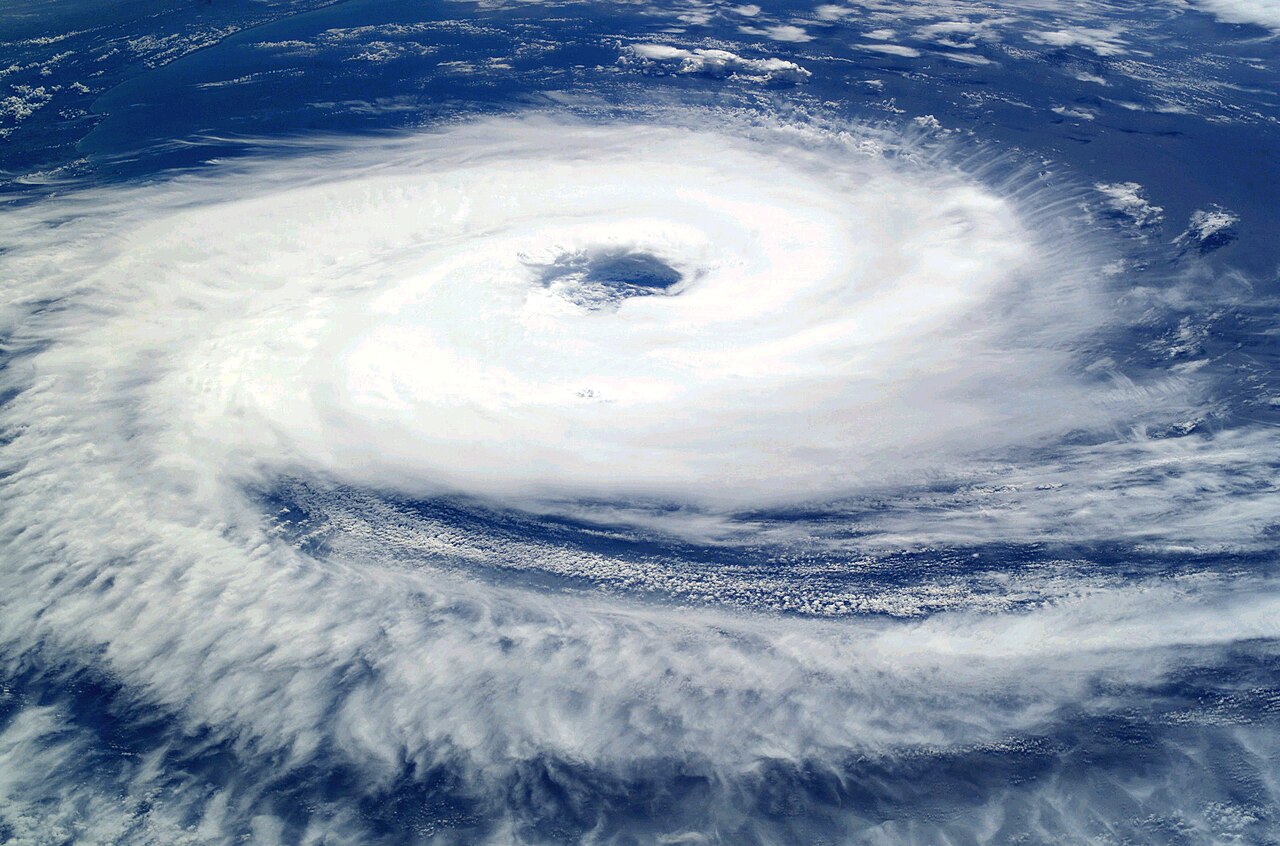
Floyd formed during a very active season and intensified into a large hurricane as it moved westward across warm Atlantic waters. Forecasters initially warned that the storm could threaten Florida and nearby islands, triggering precautionary evacuations and preparedness actions in coastal communities. The hurricane was unusually broad; comparisons at the time noted its overall size was far greater than some earlier destructive storms such as Hurricane Andrew. As steering currents changed, Floyd turned north and ultimately approached the U.S. East Coast rather than crossing Florida.
Landfall and areas affected
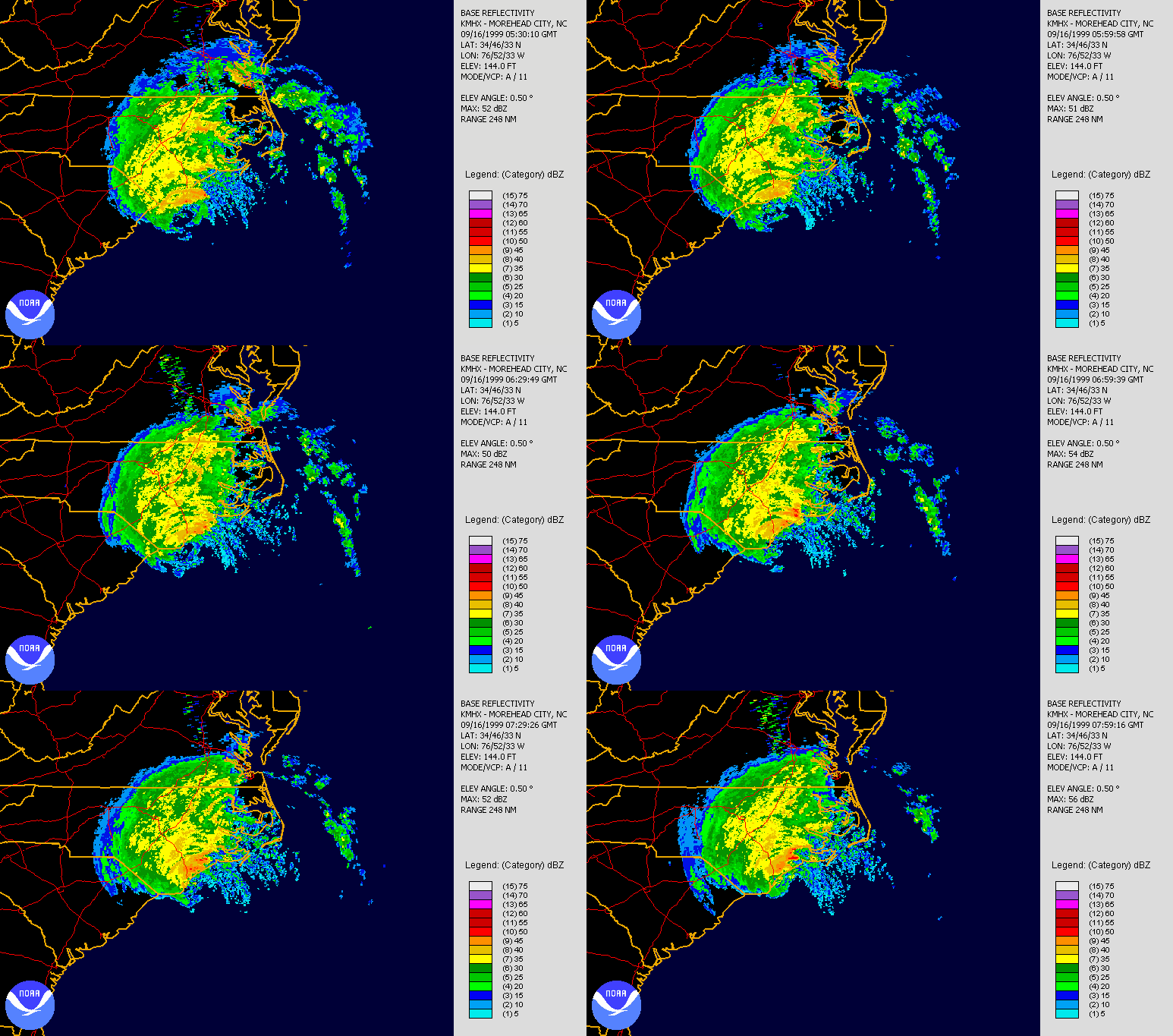
Rather than making a direct strike on Florida, Floyd made landfall along the North Carolina coast and produced significant impacts both along the immediate shoreline and far inland. The hurricane brought a combination of storm surge, powerful winds and prolonged heavy rainfall that caused rivers to overflow. Flooding and damage extended well beyond the landfall point, with notable effects reported from the Carolinas through parts of New England.
Damage, casualties and economic effect
- Economic loss: The storm generated billions of dollars in damage across multiple states and the Bahamas, with aggregated estimates covering impacts from Florida northward to Maine.
- Human toll: Dozens of fatalities were attributed to the hurricane in the United States, with additional casualties reported in affected island areas.
- Regional disruption: Transportation, utilities and local economies were disrupted by flooding, debris and power outages that in some places persisted for days to weeks.
Preparations, response and recovery
Authorities issued evacuation orders for vulnerable coastal zones and set up shelters as the storm approached. Emergency services and the National Weather Service emphasized the risks of storm surge and inland flooding, which proved to be major hazards. Recovery required coordinated efforts between local, state and federal agencies, as communities dealt with property damage, flooded homes and interrupted infrastructure.
Legacy and notable facts
Hurricane Floyd is remembered for the size of its wind and rain field, the extensive inland flooding it caused, and the strain it placed on emergency planning in the eastern United States. The name was later retired from the Atlantic naming lists because of the storm's severity and societal impact. For further information about the season and Floyd's impacts, see resources on the 1999 Atlantic hurricane season and regional reports from affected states.
Selected references and related topics: 1999 Atlantic hurricane season, Florida evacuation preparedness, comparison with Hurricane Andrew, North Carolina landfall details, flooding into New England, aggregate damage estimates, reported casualty figures.
Questions and answers
Q: What was the strongest, costliest, and deadliest hurricane of the 1999 Atlantic hurricane season?
A: Hurricane Floyd.
Q: How large was Hurricane Floyd compared to Hurricane Andrew?
A: It was about twice as large as Hurricane Andrew.
Q: Where did Hurricane Floyd make landfall?
A: It made landfall in North Carolina.
Q: What states were affected by flooding caused by Floyd?
A: Flooding from North Carolina up to some states in New England were affected by flooding caused by Floyd.
Q: How much damage did Hurricane Floyd cause from Florida to Maine?
A: It caused $4.5 billion in damage from Florida to Maine.
Q: How many people died due to the effects of Hurricane Floyd in the United States?
A: About 76-86 people died due to the effects of Hurricane Floyd in the United States.
Q: Was anyone killed outside of the US due to this storm?
A: One person was also killed in the Bahamas due to this storm.
Author
AlegsaOnline.com Hurricane Floyd (1999): overview, impact, and legacy Leandro Alegsa
URL: https://en.alegsaonline.com/art/45885