
Hugh Trenchard, 1st Viscount Trenchard
British army officer and air power pioneer known as a principal architect of the Royal Air Force; commanded the Royal Flying Corps in WWI and later served as Metropolitan Police Commissioner.
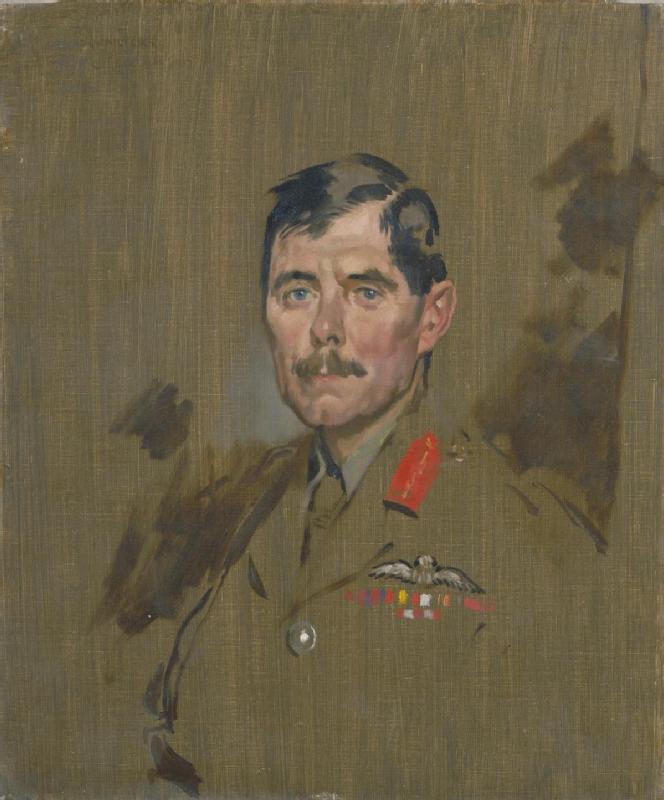
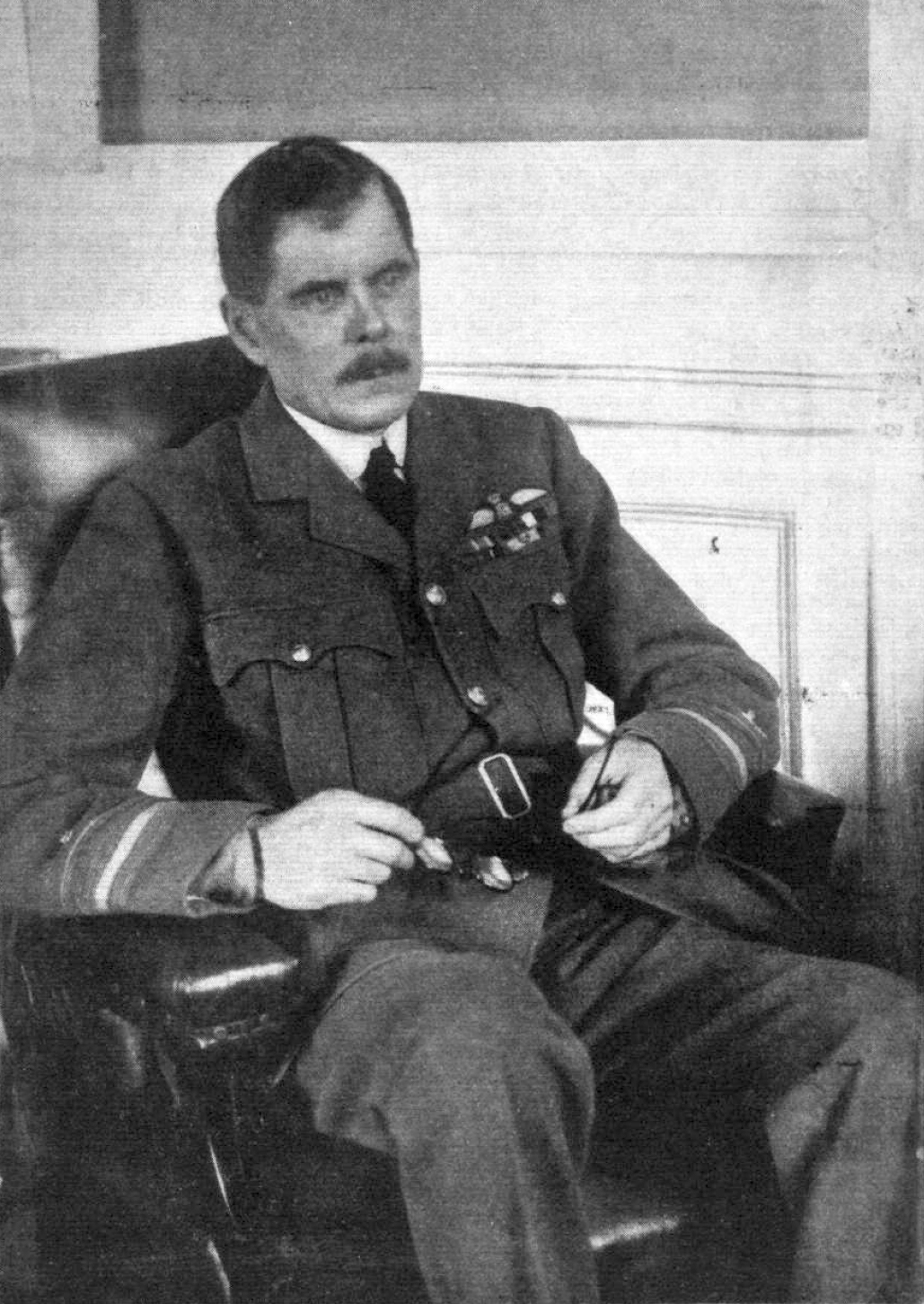
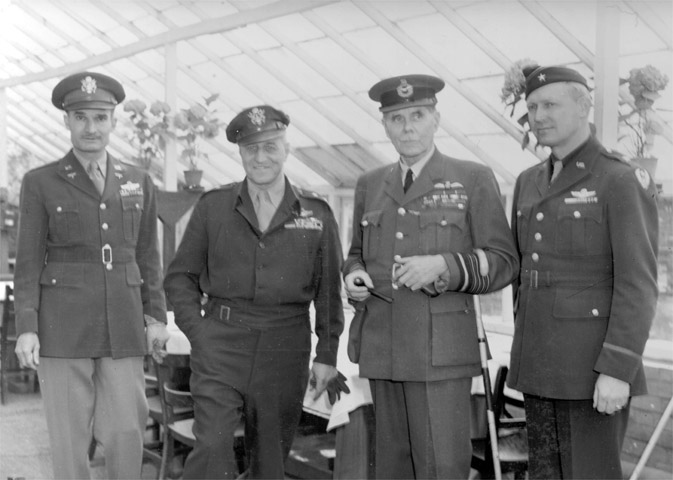
Hugh Montague Trenchard, 1st Viscount Trenchard (3 February 1873 – 10 February 1956) was a senior British military leader and a principal architect of an independent air arm for the United Kingdom. A career officer who took up flying in 1912, Trenchard commanded the Royal Flying Corps in France during the First World War and helped to create the institutional foundations of the Royal Air Force.
Image gallery
10 Images





Early life and army career
Trenchard began his professional life in the British Army, serving in a series of regimental and staff posts around the turn of the twentieth century. His army experience gave him organisational skills and familiarity with senior command that proved valuable when military aviation emerged as a new field. Like several officers of his generation, he embraced flying as a military capability and undertook formal flight training in the years immediately before the First World War.
Aviation and command in the First World War
When the war expanded the demand for aerial operations, Trenchard moved from army duties into air service command. In August 1915 he was appointed to lead the Royal Flying Corps in France, where he concentrated on improving pilot training, maintenance, logistics and unit cohesion. Trenchard emphasised disciplined organisation, standardised training and the creation of sustainable structures able to support sustained air operations on the Western Front.
During the conflict he became associated with an offensive conception of air power: that air forces should be organised, trained and equipped to take and maintain the initiative against an enemy rather than remaining solely in support of ground forces. This approach influenced wartime planning and the later doctrinal debates about strategic bombardment and independent air operations.
Formation of the Royal Air Force and senior RAF roles
In March 1918 the Royal Flying Corps and the Royal Naval Air Service were combined to form the Royal Air Force, the world’s first independent air service. Trenchard’s wartime experience made him a central figure in shaping the new service’s institutions. He became Chief of the Air Staff in 1919 and set about reorganising the Air Ministry, promoting professional training and establishing administrative systems and permanent establishments intended to sustain the RAF in peace as well as war.
His organisational work included advocating officer education, standardised training establishments and doctrines that would give the service a distinct identity apart from the army and navy. While some of his views, particularly on the use of bombing as an instrument of policy, sparked controversy, his role in building the RAF’s permanent structure is widely acknowledged.
Metropolitan Police and later public service
After his principal period of military service, Trenchard held senior public posts, most notably serving as Commissioner of the Metropolitan Police from 1931 to 1935. The Commissioner is the highest-ranking police officer in the United Kingdom though operational responsibility is concentrated in Greater London. In this civilian role he brought administrative rigour and an emphasis on professional standards to metropolitan policing.
Honours and legacy
Trenchard received numerous honours in recognition of his service, and was elevated to the peerage as Viscount Trenchard. He later held the rank of Marshal of the Royal Air Force. Historians credit him with transforming military aviation from an experimental adjunct to a professionally organised independent service and with establishing many of the RAF’s enduring institutions.
Debate continues among scholars and military analysts about the ethical and practical effects of doctrines he promoted, particularly those related to strategic bombing. Nonetheless, Trenchard’s impact on the structure, training and identity of British air power during the first half of the twentieth century is a central theme of institutional histories and biographies.
- Born: 3 February 1873; Died: 10 February 1956.
- Took up flying: 1912.
- Commander, Royal Flying Corps in France: appointed August 1915.
- Instrumental in formation and early organisation of the Royal Air Force.
- Chief of the Air Staff from 1919 and served in senior RAF roles in the interwar period.
- Commissioner of the Metropolitan Police: 1931–1935.
For further reading, consult specialist biographies and institutional histories that examine Trenchard’s organisational reforms, his influence on air power doctrine and the wider political and military debates that shaped the RAF’s early decades.
Questions and answers
Q: Who was Hugh Montague Trenchard?
A: Hugh Montague Trenchard was a British Army officer who commanded the Royal Flying Corps (RFC) and founded the Royal Air Force (RAF).
Q: When did Trenchard learn to fly?
A: Trenchard learnt to fly in 1912.
Q: What position did Trenchard hold in 1919?
A: Trenchard became the Chief of the Air Staff in 1919.
Q: What did Trenchard do as Chief of the Air Staff?
A: As Chief of the Air Staff, Trenchard reorganized the Air Ministry and laid the foundations of the Royal Air Force.
Q: Was Trenchard involved in law enforcement?
A: Yes, Trenchard was a Commissioner of the Metropolitan Police from 1931 to 1935.
Q: What is the role of the Commissioner of the Metropolitan Police?
A: The Commissioner of the Metropolitan Police is the highest ranking police officer in the United Kingdom, although his authority is generally confined to Greater London.
Q: When did Trenchard die?
A: Trenchard died on 10 February 1956.
Author
AlegsaOnline.com Hugh Trenchard, 1st Viscount Trenchard Leandro Alegsa
URL: https://en.alegsaonline.com/art/45577