
Howard Staunton: English chess master, organizer, author and editor
English chess master (1810–1874) influential as a top player, organizer of the 1851 London international tournament, editor and author of standard chess works, and a controversial figure in 19th‑century chess.
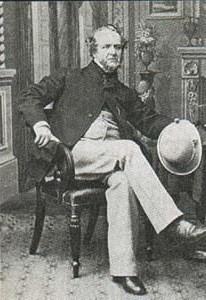
Howard Staunton (1810 – 22 June 1874) was an English chess player, writer and organiser whose influence shaped mid‑19th century chess. Widely regarded as the leading player of the 1840s, Staunton's peak years are generally placed between 1843 and 1851, a period marked by his match victory over the French master Saint‑Amant and by his central role in staging the first international tournament in London.
Image gallery
9 Images




Career and contributions
Staunton combined competitive success, practical innovation in opening play, and a prolific literary output. On the board he was admired for a positional, strategic approach that anticipated later developments in chess thought. He played and helped popularise openings that became staples of modern play, including early forms of what is now called the Sicilian Defence and the English Opening. His match wins against strong contemporaries and his practical play helped set standards for serious competitive chess in Britain and beyond.
Organising the 1851 London tournament
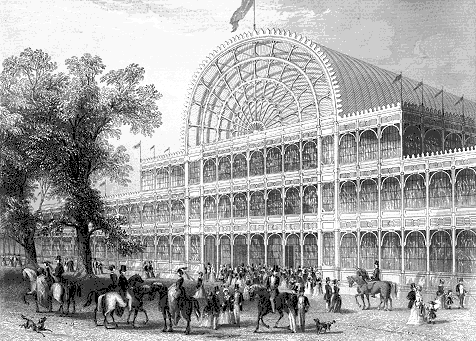
Staunton was the principal organiser of the 1851 international tournament held in London to coincide with the Great Exhibition at Hyde Park. The event brought together leading players from several countries and helped establish London as a major centre of chess activity. The tournament winner, Adolf Anderssen, emerged as the leading international player afterwards and was widely recognised as the world's strongest player following the event. Staunton's role as promoter and planner was central to creating a precedent for international competition.
Writing, editing and public influence
Beyond play and organisation, Staunton was a dominant voice in chess journalism. He edited the Chess‑Player's Chronicle from the early 1840s and wrote a long‑running chess column for the Illustrated London News from 1845 until his death. His 1847 manual, the Chess‑Player's Handbook, became the standard instruction book for English‑speaking players for many decades. Through these outlets Staunton disseminated analysis, game collections and guidance that helped raise the standard of club and tournament play.
Controversies and later life
Staunton's personality and polemical style made him a controversial public figure. His critical and sometimes acerbic writing alienated rivals as well as readers. From about 1847 he also pursued work as a Shakespearean scholar, which together with recurring ill health reduced his competitive activity after 1851. In 1858 efforts were made to arrange a match between Staunton and the American prodigy Paul Morphy; negotiations failed and the episode produced lasting debate. Morphy's supporters later accused Staunton of evasiveness, while Staunton maintained that he had effectively retired from serious competition and could not commit to the match.
Legacy and notable facts
Staunton's lasting importance rests on several pillars: his status as one of the top players of his era, his work to organise international competition, and his influential writings that trained generations of players. He helped popularise important openings and promoted a positional style that foreshadowed later strategic developments. Despite personal controversies and disputes over the Morphy affair, chess historians treat Staunton as a formative figure in the transition from informal local play to organised international chess.
- Major editorial work: Chess‑Player's Chronicle (editor).
- Notable book: Chess‑Player's Handbook (1847), a long‑used reference for players.
- Event organised: the first international chess tournament, London 1851 (details).
- City influence: helped make London a leading chess centre during the mid‑19th century.
- Context of the 1851 event: linked to the Great Exhibition at Hyde Park.
- Tournament legacy: winner Adolf Anderssen is often cited as the successor to Staunton's reign (Anderssen).
- Later controversy: unsuccessful match negotiations with Paul Morphy.
For readers wanting a concise picture: Staunton combined competitive strength, editorial reach and organisational energy to shape Victorian chess. His books and columns spread new ideas about strategy and helped create the infrastructure for modern international competition, even as his forthright manner and later withdrawal from play left unresolved debates about his conduct and priorities.
Questions and answers
Q: Who was Howard Staunton?
A: Howard Staunton was an English chess master who was the world's strongest player from 1843 to 1851.
Q: What did he do in 1845?
A: In 1845, he began running a chess column in the Illustrated London News which ran until his death in 1874.
Q: What is the Chess-player's handbook of 1847?
A: The Chess-player's handbook of 1847 was a valuable book written by Staunton that became the standard reference book for English club players down to the end of the century.
Q: When did he enter a parallel career as a Shakespearean scholar?
A: He entered a parallel career as a Shakespearean scholar in 1847.
Q: What were attempts made to organise in 1858?
A: In 1858, attempts were made to organise a match between Staunton and Morphy but they failed.
Q: How did Staunton contribute to the development of chess?
A: Staunton contributed to the development of chess through his writing for newspapers and magazines which had world-wide influence, as well as playing and popularising two important modern openings -the Sicilian Defence, and the English Opening.
Related articles
Author
AlegsaOnline.com Howard Staunton: English chess master, organizer, author and editor Leandro Alegsa
URL: https://en.alegsaonline.com/art/45432
Sources
- sbchess.sinfree.net : "Howard Staunton: part I"
- chesshistory.com : "Chess Note 4776: Staunton's origins"
- books.google.com : "The British miscellany and Chess Player's Chronicle"
- measuringworth.com : "Five ways to compute the relative value of a U.K. pound amount, 1830 – 2006: 2006 equivalent of £100 in 1843"
- mark-weeks.com : "World Chess Championship: 1843 Staunton - Saint-Amant Matches"
- correspondencechess.com : "Howard Staunton and chess by "Electric Telegraph""
- worldcat.org : "Search results for 'Staunton chess-player's handbook' [WorldCat.org]"
- books.google.com : "Google books: The Chess Tournament, by Howard Staunton"
- mark-weeks.com : "1851 London Tournament"
- geocities.com : "Bill Wall's Chess Master Profiles - Paul Morphy"
- chesshistory.com : Chess Characters, volume 2