
Housecleaning: methods, tools, health benefits, and routines
Housecleaning is the removal of dirt, clutter and waste from living spaces. This article explains common tasks, typical tools, health benefits, scheduling approaches, history and distinctions.
Housecleaning describes the activities people perform to remove dirt, trash and clutter from a residence and to place objects where they belong so rooms appear orderly. The practice combines routine tidying, surface cleaning and occasional deeper tasks aimed at hygiene, safety and comfort. In everyday use the term emphasizes visible order and functional upkeep — for example maintaining clear floors and furniture (floors and furnishings) rather than structural repairs.
Image gallery
5 Images

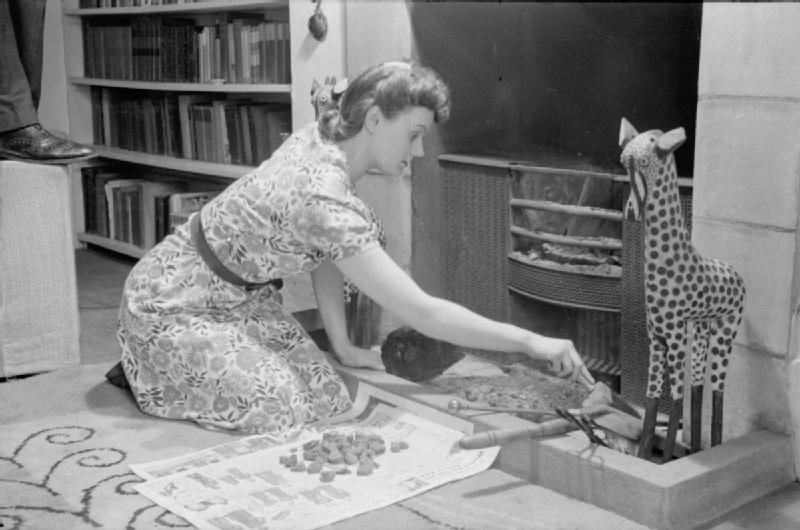


Common tasks and typical tools
- Sweeping and dry cleaning: using a broom or brush to clear loose debris; often a first step before wet cleaning (sweeping).
- Vacuuming and carpet care: removing dust and particulates from rugs and upholstery with a vacuum cleaner (vacuum cleaner).
- Laundry and textiles: washing, drying and folding garments and linens, then storing them appropriately (clothing care).
- Dishwashing and surface cleaning: washing dishes, wiping counters and rinsing or drying sponges and cloths (sponges) to avoid bacterial growth.
- Glass and window cleaning: removing grime and streaks from glass surfaces (windows), often with specialized cleaners or squeegees.
Tools and consumables range from simple brooms and microfiber cloths to chemical cleaners, mops and machines. Choices depend on surface types, household preferences and concerns about chemicals or allergens.
Health, safety and environmental considerations
Regular cleaning reduces dust, pet dander and residues that can aggravate respiratory conditions and allergies. It also decreases shelter for pests: clutter-free spaces leave fewer hiding places for spiders (spiders) and other unwanted creatures such as ants or cockroaches (insects). Proper ventilation, safe handling of cleaning agents, and attention to cross-contamination (for example, separating bathroom and kitchen cloths) are important for household safety. Many people adopt greener products or dilute concentrates to reduce chemical exposure and environmental impact.
Routines, methods and organization
Housecleaning is commonly organized into daily, weekly and seasonal tasks. Daily habits — making beds, clearing dishes, and light tidying — prevent buildup. Weekly chores often include vacuuming, mopping and bathroom cleaning, while seasonal or annual work covers deep-cleaning tasks such as oven degreasing or curtain washing. Efficient methods include working top-to-bottom, dry-to-wet (dust before mopping), and decluttering before cleaning so surfaces are accessible. Some households follow checklists or rotate tasks among members; others hire professional services for periodic deep work.
History, social context and professional services
Cleaning practices reflect cultural norms, technology and economics. Historically, household maintenance fell largely to inhabitants or domestic workers; the Industrial Revolution and later consumer goods introduced mass-market tools (mops, commercial detergents, vacuum cleaners) that changed frequency and methods. Today a significant cleaning industry offers residential and commercial services, specialized sanitation, and eco-friendly options. Expectations about cleanliness also vary between cultures and living arrangements.
Distinctions and notable points
Housecleaning overlaps with but is distinct from housekeeping, which can include meal preparation, bill-paying and general household management. Professional cleaners may use different techniques and stronger equipment than homeowners. Attention to small details — such as properly drying sponges on a rack to prevent microbial growth (sponges) — can make routine maintenance more effective. When choosing methods and products, consider surface compatibility, occupant health, and environmental impact. For basic tasks, refer to manufacturer guidance for appliances like a vacuum cleaner or follow stepwise guidance for sweeping, laundry (clothes) and window care (windows) to extend the life of household items and maintain a healthy living environment.
For more practical tips and step-by-step guides, many online resources and local services provide checklists and instructional material; research and local recommendations can help tailor a cleaning routine that fits a household's needs.
See also: floors and furnishings | Pest prevention | Insect control basics
Questions and answers
Q: What is housecleaning?
A: Housecleaning is the process of removing mess, trash, and dirt from where people live and putting things where they belong so the house looks neat.
Q: What are the benefits of housecleaning?
A: Housecleaning makes it easier to see the floor and furniture without clutter in the way. It also leaves fewer places for spiders and insects to live and removes dust so that people in the house can breathe more easily.
Q: What are some examples of housecleaning?
A: Housecleaning may involve sweeping the floor with a broom, cleaning rugs with a vacuum cleaner, cleaning clothes and putting them away, and washing windows. Washing a sponge, squeezing out the water, and placing it on a dish rack to dry is also part of housecleaning.
Q: Why is housecleaning important?
A: Housecleaning is important because it helps maintain a healthy and safe living environment. It also promotes a sense of order and cleanliness.
Q: What are the essential tools needed for housecleaning?
A: The essential tools needed for housecleaning include brooms, vacuum cleaners, cleaning cloths, sponges, cleaning solutions, and dustpans.
Q: When should housecleaning be done?
A: Housecleaning should be done regularly to maintain a clean, healthy, and safe living environment. The frequency depends on individual needs and preferences.
Q: How does housecleaning improve the quality of life?
A: Housecleaning improves the quality of life by reducing stress and promoting a sense of accomplishment. It also helps maintain physical and mental health by reducing the amount of allergens and toxins in the living environment.
Author
AlegsaOnline.com Housecleaning: methods, tools, health benefits, and routines Leandro Alegsa
URL: https://en.alegsaonline.com/art/45353