
House of Este
A European princely dynasty originating in medieval Italy, split into Welf and Este branches; rulers of Ferrara, Modena, Brunswick and Britain, noted for political influence and Renaissance patronage.
The House of Este was a European princely dynasty with roots in northern Italy and branches that became major players in both Italian and German politics. Over several centuries the family split into two principal lines — commonly identified as the elder Welf (Guelf/Guelph) branch and the younger Este branch — each establishing sovereign or ducal seats and creating lasting political and cultural legacies. The family is remembered for its role in medieval and early modern state-building, dynastic marriage politics, and active patronage of the arts.
Image gallery
10 Images


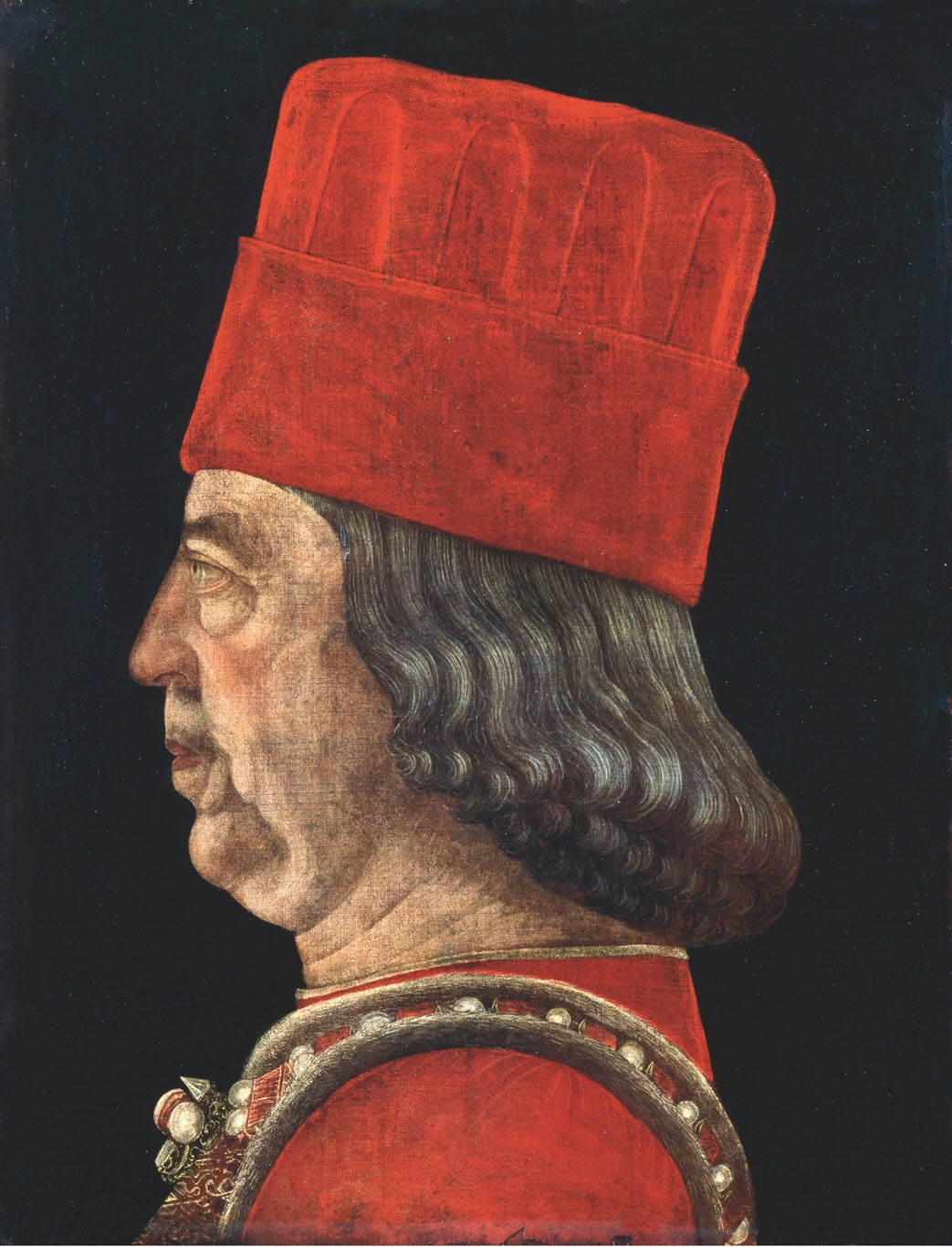
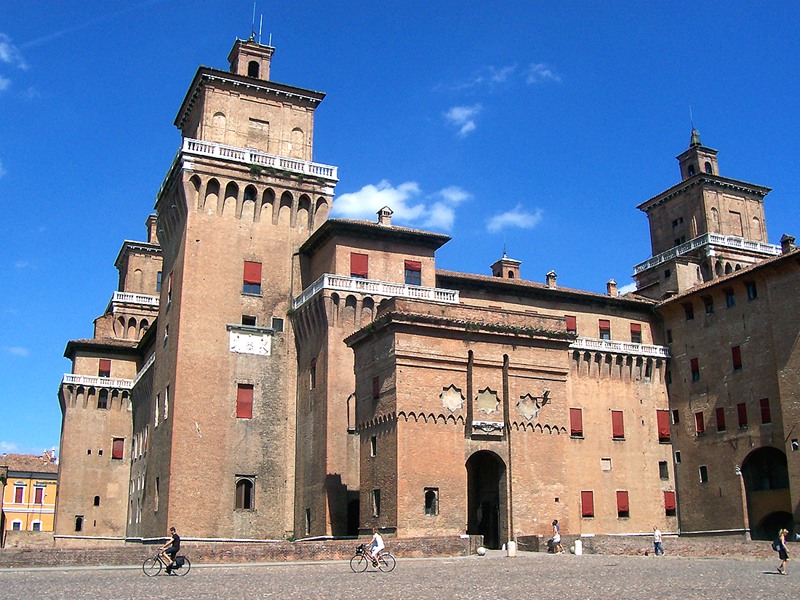


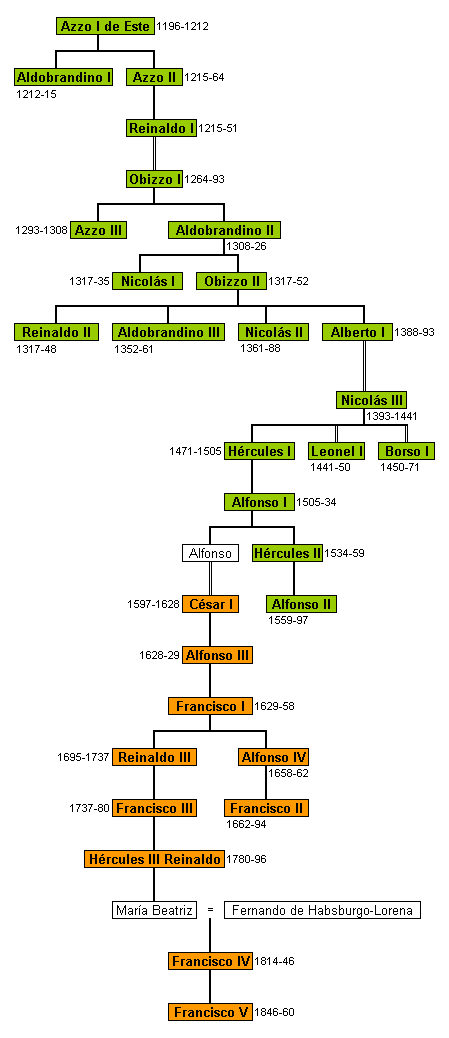
Branches and territories
The dynasty divided into distinct houses that controlled different territories and followed divergent fortunes. The elder line, often called the House of Welf or Welf-Este, produced the dukes of Brunswick and Lüneburg and later supplied the Hanoverian monarchs of Great Britain. The younger line, commonly referred to simply as the House of Este or Fulc-Este, established itself in northern Italy and ruled Ferrara, Modena and Reggio in various periods. The following links lead to related thematic entries and resources about princely families, dynastic history and regional domains:
- princely dynasty overview
- European dynastic politics
- history of Italian duchies
- Hanoverian monarchy
- Austria-Este branch
Origins and development
The earliest figures associated with the family appear in the 10th century among counts and margraves of northern Italy. Medieval genealogies identify an Albert of Este, who died in the 930s, as an early ancestor, and later generations consolidated local power through marriage, office and territorial control. A pivotal figure in the emergence of the dynasty as a lasting force was Albert Azzo II (d. 1097), whose descendants implanted themselves in both Italian and German noble networks. Over the 12th and 13th centuries the lineage diversified: one stream moved northward and integrated with German princely circles, while the Italian branch maintained its seat in Ferrara and neighboring domains.
Political role and cultural patronage
Members of the House of Este played active diplomatic and military roles within the shifting framework of the Holy Roman Empire and the competing powers of Italy. Rulers of Ferrara, Modena and Reggio navigated alliances with the papacy, other Italian city-states, and imperial authorities. Beyond politics the Este courts became noted centers of culture. In Ferrara especially, dukes invested in architecture, music and literature, attracting poets, scholars and artists and helping to shape the cultural climate of the Italian Renaissance. This patronage amplified the family's prestige and left a recognizable imprint on regional art and learning.
Notable figures and legacy
- Albert Azzo II — often cited as a formative ancestor of later Este lines.
- The Welf-Este line — influential in northern Germany and ancestor line to the British Hanoverian kings.
- The Italian Este dukes — long-term rulers of Ferrara and later of Modena and Reggio, patrons of Renaissance culture.
- Maria Beatrice d'Este — her marriage to an Austrian archduke led to the Austria-Este cadet line, which preserved the name in Habsburg environs.
The dynastic story includes characteristic elements of medieval and early modern Europe: strategic marriages, territorial contestation, and repetitive cycles of extinction, inheritance disputes and reinvention. At several points the male line in Ferrara ended and the territory passed to other powers or cadet branches; elsewhere the Welf-Este descendants continued in German principalities into the 19th and early 20th centuries. The combination of political authority and cultural patronage secures the House of Este a prominent place in studies of European nobility and Renaissance courts.
Questions and answers
Q: What is the House of Este?
A: The House of Este is a European princely dynasty with two branches.
Q: What are the names of the two branches of the House of Este?
A: The elder branch is known as the "House of Welf-Este" or "House of Welf" (Guelf or Guelph). The younger branch is known as the "House of Fulc-Este" or later simply as the "House of Este".
Q: Who were some members of the elder branch of the House of Este?
A: The elder branch of the House of Este included the dukes of Brunswick and Lüneburg (1208–1918), Britain's Hanoverian monarchs and one Emperor of Russia (Ivan VI).
Q: Who were some members of the younger branch of the House of Este?
A: The younger branch of the House of Este included the Sovereign Dukes of Ferrara (1240–1597), and Modena and Reggio (1288–1796).
Q: When was the House of Austria-Este formed and how?
A: The House of Austria-Este was formed in 1771 following the marriage of Maria Beatrice d'Este to Archduke Ferdinand of Austria.
Q: Who is considered the founder of the House of Este?
A: Albert Azzo II, Margrave of Milan is considered the founder of the House of Este.
Q: What is the earliest known ancestor of the House of Este?
A: The earliest known ancestor of the House of Este is Albert of Este, who died in 938. He was the Count of Este and Marquis of Tuscany.
Related articles
Author
AlegsaOnline.com House of Este Leandro Alegsa
URL: https://en.alegsaonline.com/art/45309
Sources
- commons.wikimedia.org : House of Este