
Hotepsekhemwy — Early Second Dynasty Pharaoh of Egypt
Hotepsekhemwy, meaning 'the two powers are at peace', was the founder of Egypt's Second Dynasty. His reign, chronology, tomb and role in reunification are debated from limited archaeological records.
Overview
Hotepsekhemwy (Egyptian Htp-sxmwy) is recognized as the first ruler of Egypt's Second Dynasty. His name is usually translated as "the two powers are at peace" or "the two powers are reconciled," a phrase that many scholars interpret as a political or religious statement about unity after an earlier period of instability. He appears in later king lists and in archaeological fragments, but firm chronological details about his reign remain uncertain.
Image gallery
6 Images



Name, titulary and symbolism
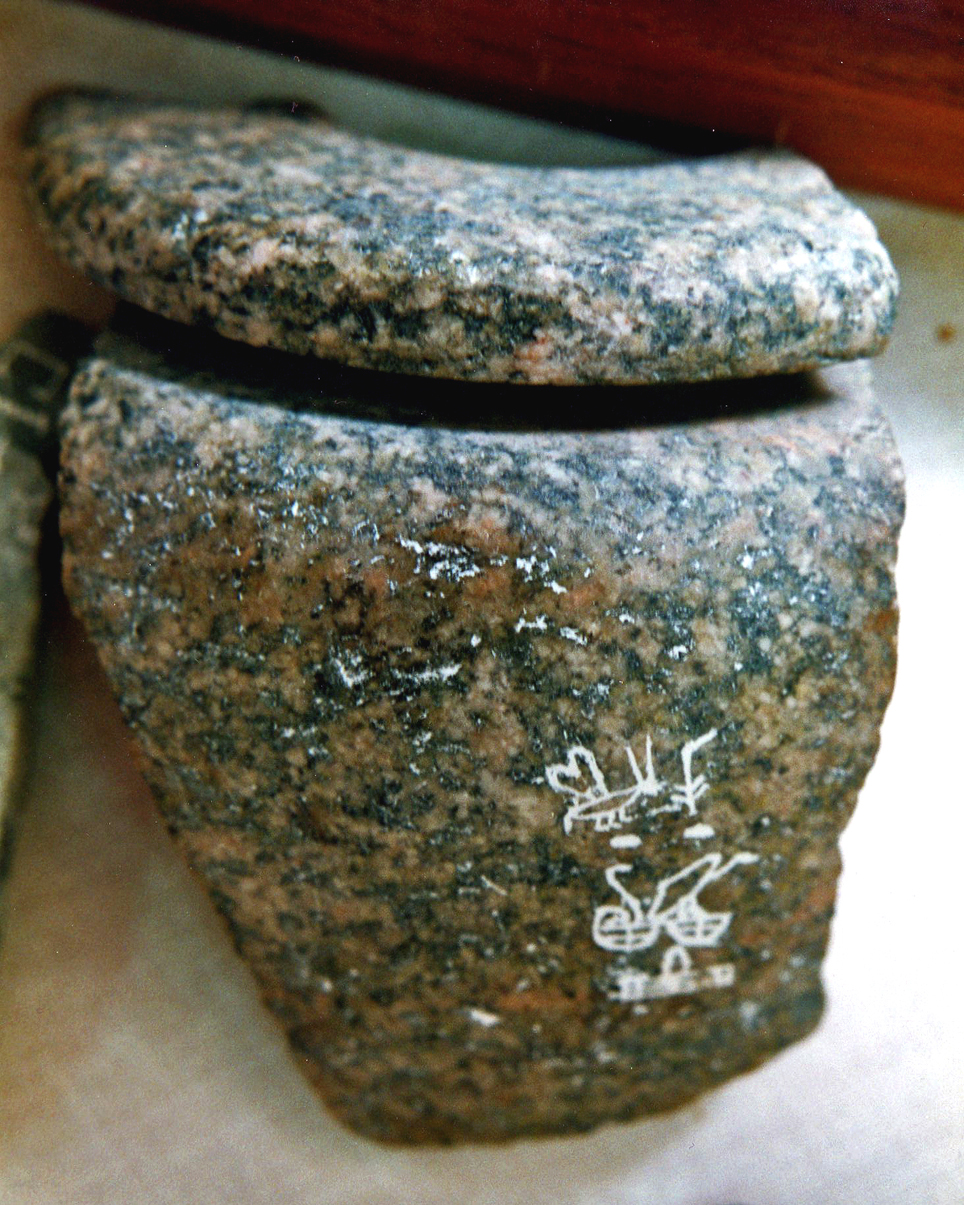
His Horus name — the royal name framed within a serekh — is distinctive because some representations link both Horus and Set symbols to the royal crest. This dual association has been read as a deliberate attempt to neutralize rivalry between competing divine or regional powers. The king is known under several versions of his name in later traditions; classical sources attempted to render his name phonetically, producing alternate forms sometimes quoted in historical summaries.
Chronology and reign length
Ancient and modern sources disagree about how long Hotepsekhemwy ruled. The Turin King List assigns a very long figure to his reign, while the Egyptian historian Manetho — writing in the Ptolemaic period — gives a different number. Modern Egyptologists, working from archaeological evidence and comparative chronology, generally favor a more modest length of reign, with estimates often cited around 25–29 years. Because surviving king lists and fragmentary records conflict, these figures remain tentative.
Archaeological evidence
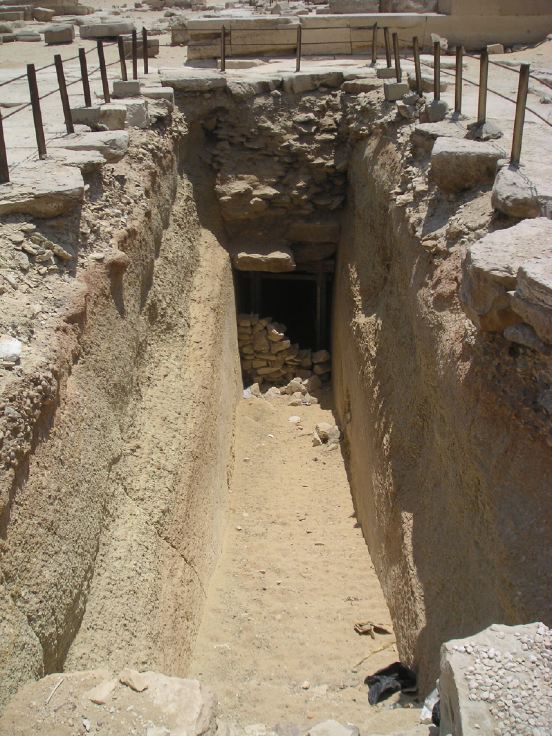
Physical traces for Hotepsekhemwy are limited but important. Seal impressions, inscribed stone vessels and other small objects bearing his name have been recovered at early royal and funerary sites, notably in the Saqqara and Abydos regions. These finds establish his historical existence and help place him within the sequence of early dynastic rulers. His likely successor is the king usually called Raneb (also read as Nebra), who continues features of early second-dynasty administration.
Historical significance and interpretations
Scholars often view Hotepsekhemwy as a stabilizing figure who helped consolidate royal authority after a period of regional tensions at the end of the First Dynasty. The symbolic content of his name and titulary is commonly cited as evidence that reconciliation between competing powers — whether between Upper and Lower Egypt or between cults of rival deities — was an important theme of his rule. Because documentation from this era is sparse, many conclusions about his policies or achievements are cautious reconstructions from material remains and later historical lists.
Key points and notable facts
- Known as the first ruler of the Second Dynasty and interpreted as a unifier of divided powers.
- Reign-length figures vary widely: ancient king lists differ, and modern scholars estimate roughly 25–29 years in some reconstructions.
- Archaeological attestations include sealings and inscribed vessels found at major early dynastic sites.
- Often associated with a titulary that links Horus and Set, interpreted as politically symbolic.
For summaries of ancient king lists and later classical reports, see entries that discuss the early dynastic succession and the way later authors recorded pharaonic names: king-list sources, early dynastic surveys. For more on Manetho's transmission and its problems, consult discussion pages such as Manetho and the king lists and comparative chronological studies at Egyptian chronology resources. General overviews of the archaeology and interpretations of the First and Second Dynasties are available through thematic summaries like early dynastic Egypt.
Questions and answers
Q: Who was Hotepsekhemwy?
A: Hotepsekhemwy was an early Egyptian king who ruled during the Second Dynasty.
Q: How long did Hotepsekhemwy rule according to the Turin King List?
A: According to the Turin King List, Hotepsekhemwy ruled for 95 years.
Q: How long did Hotepsekhemwy reign according to the Ancient Egyptian historian Manetho?
A: According to Manetho, Hotepsekhemwy's reign, under the name "Boëthôs," lasted for 38 years.
Q: What do Egyptologists believe about Hotepsekhemwy's reign?
A: Egyptologists now believe that Hotepsekhemwy ruled for either 25 or 29 years.
Q: Was Hotepsekhemwy the first ruler of the First Dynasty?
A: No, Hotepsekhemwy was the first ruler of the Second Dynasty.
Q: How much is known about Hotepsekhemwy's reign?
A: It is not known much about Hotepsekhemwy's reign.
Q: What is significant about Hotepsekhemwy's reign?
A: Hotepsekhemwy's reign is significant because he was the first ruler of the Second Dynasty, marking a time when the kingship of Egypt was centralized in Memphis.
Related articles
Author
AlegsaOnline.com Hotepsekhemwy — Early Second Dynasty Pharaoh of Egypt Leandro Alegsa
URL: https://en.alegsaonline.com/art/45251
Sources
- worldcat.org : 1687-1510
- gizapyramids.org : Online (PDF; 11 MB)