
Hôtel Ritz Paris: history, features, cuisine and cultural significance
Landmark luxury hotel at Place Vendôme in Paris, founded by César Ritz and Auguste Escoffier in 1898; noted for its suites, restaurants, famous guests and role in 20th‑century culture.
Overview
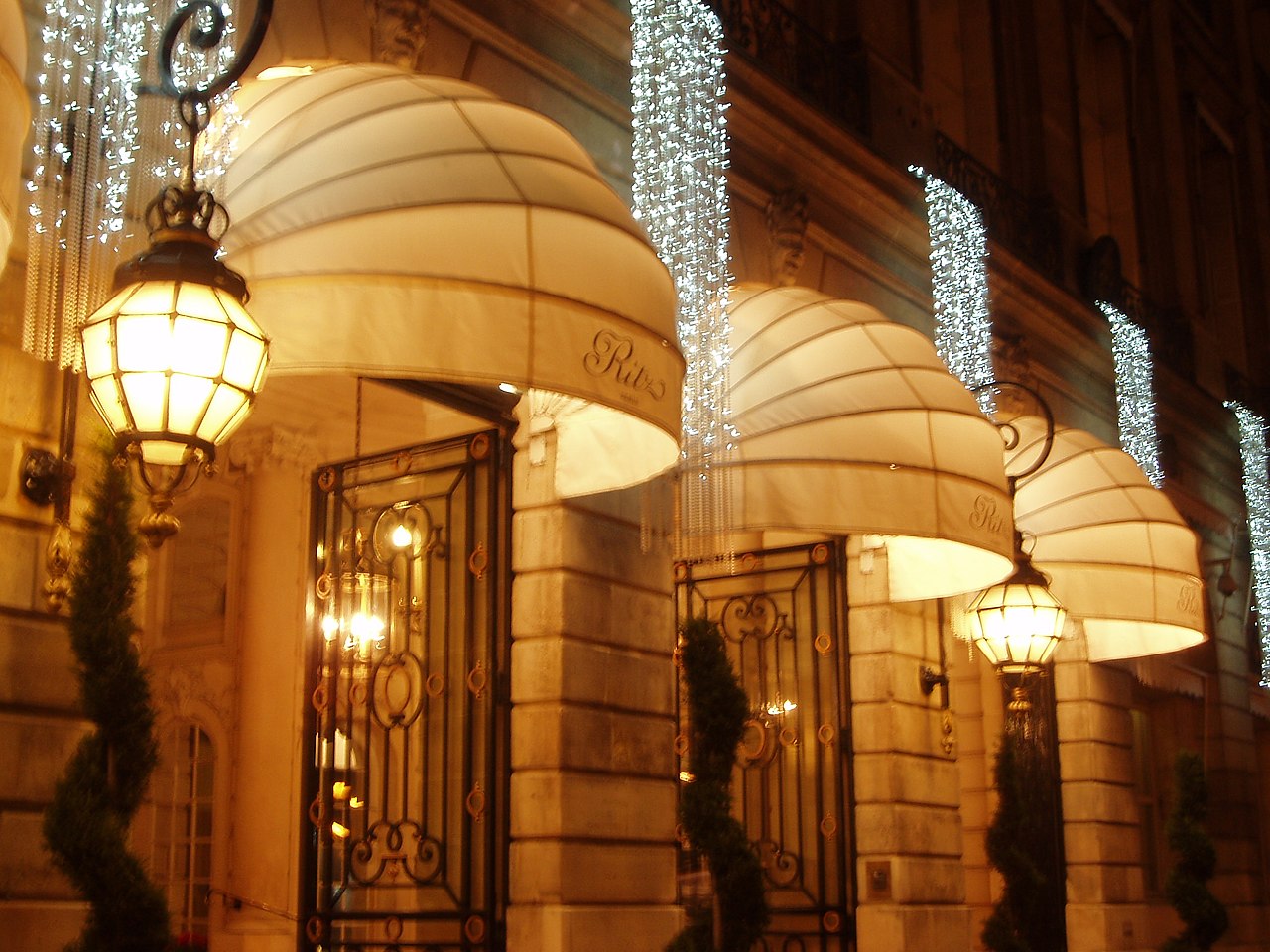
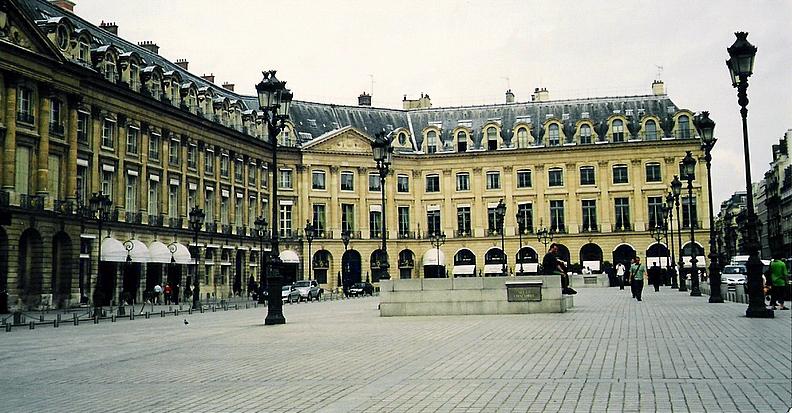
The Hôtel Ritz Paris stands on the northern side of the Place Vendôme in central Paris and is widely regarded as one of the world’s most prestigious luxury hotels. Opened in 1898 by the Swiss hotelier César Ritz in partnership with the chef Auguste Escoffier, the hotel introduced a standard of service and comfort that helped define modern high‑end hospitality. From its elegant façade overlooking Place Vendôme to its historic public rooms and private suites, the Ritz has long been associated with discreet wealth and cosmopolitan taste.
Image gallery
10 Images




Architecture, rooms and innovations
The building occupies a row of 18th‑century town houses and was reworked internally to create a compact palace hotel. It contains guest accommodations including a mix of standard rooms and large suites; historically the property has been cited as having around 150–160 rooms, several of which are named for famous residents. At the time of its opening the Ritz was notable for being among the first European hotels to offer a private bathroom en suite, as well as a telephone in each room and electrical lighting—amenities that were exceptional in the late 19th century and which helped establish its reputation for modern comfort (telephone, electricity).
History and ownership
Throughout the 20th century the hotel has been connected with high society, politics and the arts. During the Second World War the building was used by elements of the German Luftwaffe as a local headquarters in occupied Paris. Ownership stayed with the Ritz family for many decades; in 1979 the property was sold to the Egyptian businessman Mohamed Al‑Fayed. The hotel also figured tragically in modern celebrity history: in August 1997 Diana, Princess of Wales and Dodi Fayed spent time in the hotel's Imperial Suite shortly before their deaths. The Ritz closed for an extensive restoration in the 2010s and reopened after careful refurbishment with attention to preserving historic interiors while upgrading services.
Food, drink and professional training
Culinary excellence has been part of the Ritz’s identity since the start, owing in part to Escoffier’s involvement. The hotel’s signature dining room, L'Espadon, has been a training ground for aspiring chefs and has earned acclaim in the gastronomic press; at one point it held two stars in the Michelin Guide. The property also houses the prestigious Ritz‑Escoffier cooking school, which attracts students who wish to learn classical techniques. One of the hotel's bars, known as Bar Hemingway, celebrates Ernest Hemingway, who lived at the Ritz for extended periods. The dining and beverage outlets combine traditional French service standards with contemporary interpretations of classic dishes.
Guests, suites and cultural role
The Ritz’s clientele has included royalty and heads of state as well as writers, actors and fashion figures. Suites commemorate some of these guests—most famously a suite associated with Coco Chanel—and the hotel maintains a reputation for privacy and tailored service. The Ritz has been a setting or reference point in literature and film: authors such as F. Scott Fitzgerald and Hemingway placed scenes there, while stage and screen works by figures like Noël Coward and filmmakers such as Billy Wilder have used the hotel as a backdrop. Its status as one of Paris’s most expensive addresses has been reported frequently in travel coverage and pricing guides (rates and market position), though nightly tariffs vary by season and suite.
Distinctions, staff and practical notes
The Ritz is a member of international luxury hotel collections and has often been described as emblematic of Belle Époque elegance adapted to modern expectations. It employs a large professional staff to provide personalized services including private butlers, bespoke event planning and high security for notable guests. Facilities commonly highlighted by visitors include opulent salons, a refined bar program, multiple dining venues and well‑appointed spa and fitness amenities. While the hotel’s name evokes a particular history of glamour, it also represents an ongoing effort in heritage conservation: the management balances restoration of period details with the discreet integration of contemporary technology and guest comforts.
Notable features and cultural references
- Location: central Paris, facing the Place Vendôme (map and context).
- Founders: César Ritz and Auguste Escoffier, linking hoteliering and haute cuisine.
- Early amenities: private bathrooms, telephones and electric lighting in rooms.
- Historical episodes: World War II usage by the Luftwaffe; later ownership by Mohamed Al‑Fayed.
- Famous guests and tributes: Coco Chanel, Ernest Hemingway, visits by royalty.
- Cultural appearances: novels by F. Scott Fitzgerald, plays by Noël Coward, and films associated with Billy Wilder and others.
- Gastronomy: Michelin-recognized dining and the Ritz‑Escoffier school.
- Market position: routinely cited among Paris’s most expensive hotels (pricing and rankings).
Today the Hôtel Ritz remains both a working luxury hotel and a cultural landmark: its preserved interiors and service traditions continue to attract visitors who seek an experience linked to a particular chapter of Parisian and international social life. Whether approached as an architectural ensemble, a place of culinary apprenticeship, or a stage for historical events and literary imaginings, the Ritz endures as one of Paris’s most recognisable names in hospitality.
Questions and answers
Q: Who founded the Hôtel Ritz?
A: The Hôtel Ritz was founded by Swiss hotelier César Ritz in collaboration with chef Auguste Escoffier in 1898.
Q: What is the reputation of the Hôtel Ritz?
A: The Hôtel Ritz is highly ranked among the most prestigious and luxurious hotels in the world, and has established a reputation for luxury. It is also known as being one of the most expensive hotels in Paris.
Q: What amenities were provided to guests when it first opened?
A: When it first opened, the Hôtel Ritz was one of the first hotels in Europe to provide a bathroom en suite, a telephone and electricity for each room.
Q: What famous people have stayed at or been associated with the hotel?
A: Famous people who have stayed at or been associated with the hotel include royalty, politicians, writers, film stars and singers such as Coco Chanel and Ernest Hemingway who lived there for years. There are several suites named after these famous guests.
Q: How many employees does it have?
A: The Hôtel Ritz employs more than 600 people.
Q: What kind of restaurant does it have?
A: The hotel has an award-winning restaurant called L'Espadon which attracts aspiring chefs from all over the world who come to learn at nearby school -the Ritz-Escoffier School -and is run by head chef Michel Roth.
Q: Has it featured in any books or films?
A Yes, several novels such as F Scott Fitzgerald's Tender Is The Night and Hemingway's The Sun Also Rise; a play (Noël Coward's Semi-Monde); and films (such as Billy Wilder's 1957 comedy Love in the Afternoon and William Wyler's 1966 comedy How to Steal a Million) have featured or mentioned this iconic hotel.
Related articles
Author
AlegsaOnline.com Hôtel Ritz Paris: history, features, cuisine and cultural significance Leandro Alegsa
URL: https://en.alegsaonline.com/art/45248
Sources
- books.google.com : Frommer's Paris 2011
- books.google.com : Grand Hotels: Reality and Illusion
- ritzparis.com : "Prestations et Tarifs"
- books.google.com : Quintessentially Reserve 2010