
Homo luzonensis
A recently identified extinct human species from Callao Cave on Luzon, Philippines, whose mosaic anatomy sheds light on island dispersal and diversity of late Pleistocene hominins.
Homo luzonensis is the name given to a set of late Pleistocene hominin fossils recovered from Callao Cave on the island of Luzon in the Philippines. First described and named in 2019, the remains are tens of thousands of years old and represent a small-bodied population with an unusual combination of primitive and modern traits. The discovery expanded scientific understanding of hominin diversity in Southeast Asia during the Late Pleistocene and raised new questions about how early humans reached ocean-separated islands.
Image gallery
6 Images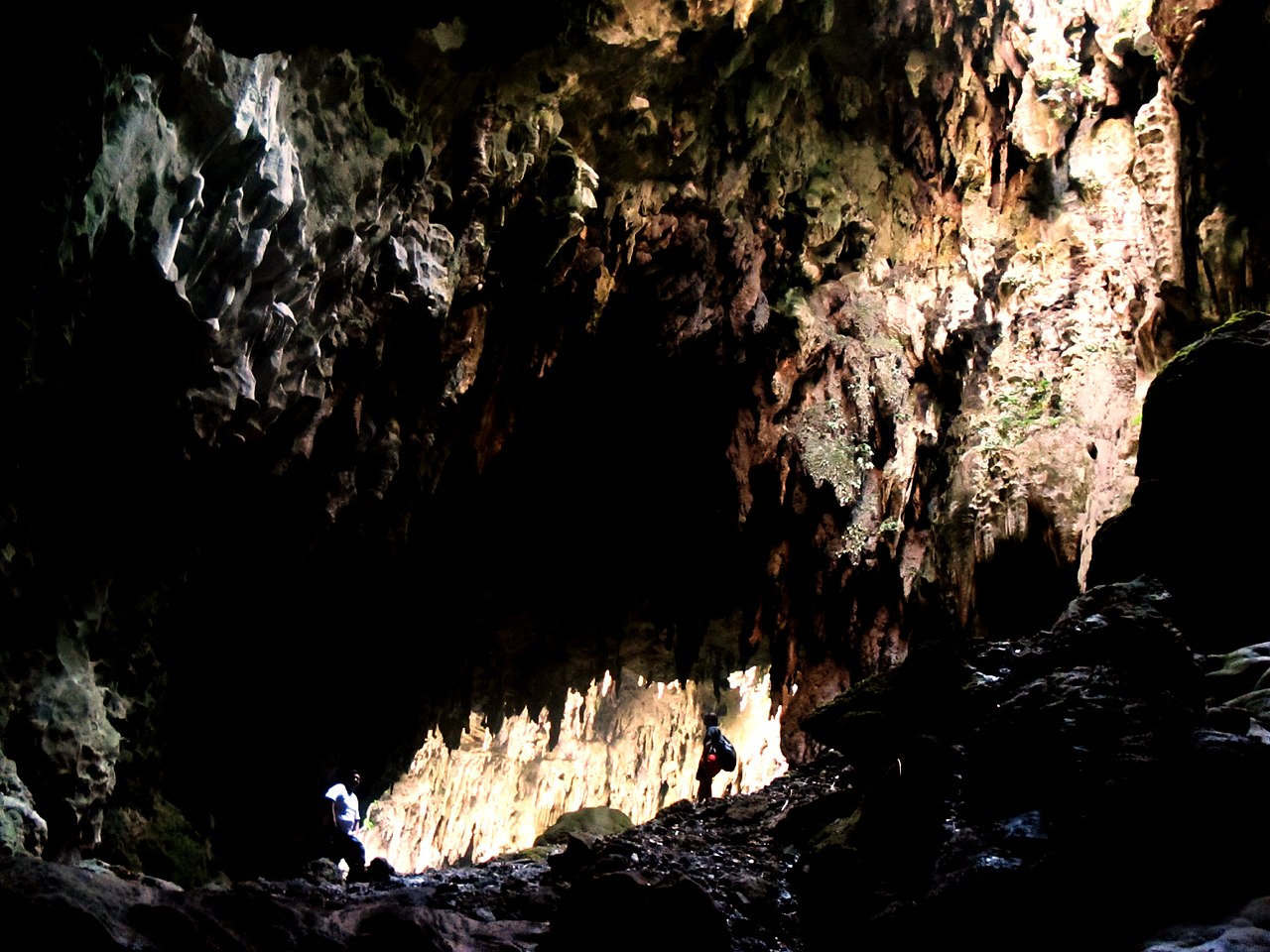


Fossils and identification
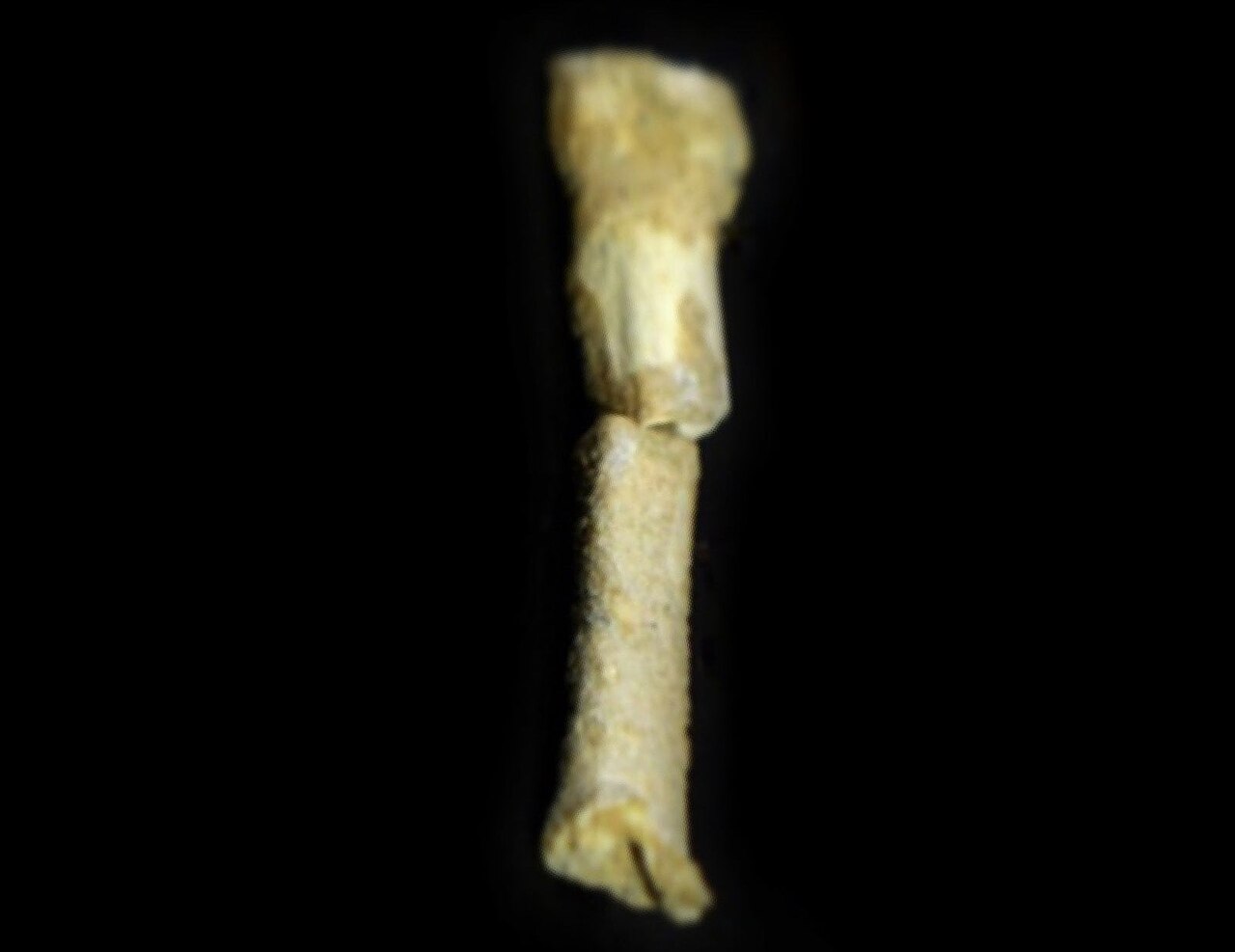
The material attributed to Homo luzonensis consists of fragmented teeth and small bones from the hands and feet recovered in Callao Cave. These elements represent more than one individual and were dated to roughly the range of late Pleistocene occupation at the site. Researchers assigned the fossils to a new species after comparing their shapes and proportions with those of other Homo species and earlier hominins, noting a mosaic of traits not seen together elsewhere.
Morphology and notable features
H. luzonensis shows a mixture of features that complicate simple evolutionary narratives. Some dental characteristics resemble those of later Homo, while aspects of the finger and toe bones—such as curved phalanges—recall more archaic or tree-climbing adaptations known from earlier hominins. The overall body and tooth size suggest a small-bodied population; how much of this reflects island-related changes (insular evolution) versus retained ancestral traits remains under study.
Discovery, age, and context
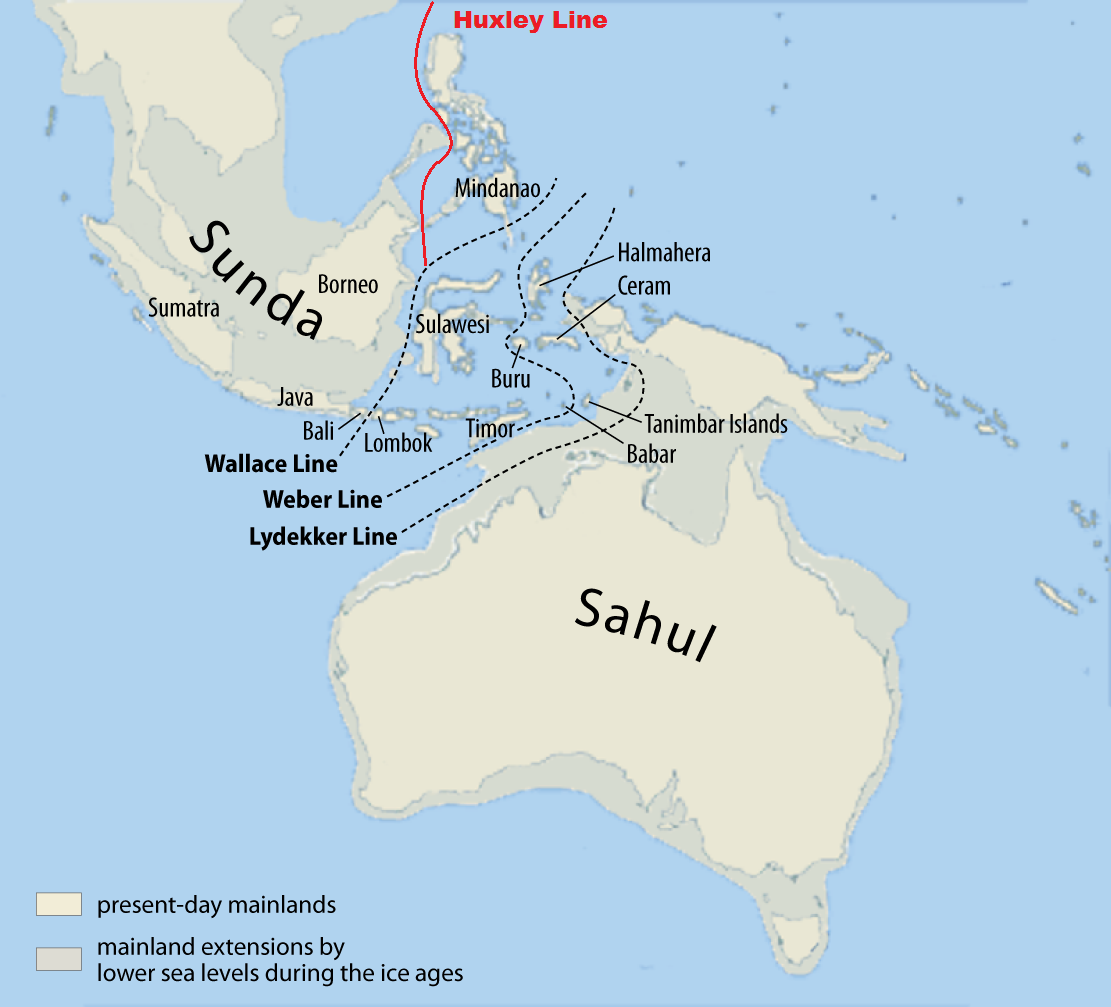
Remains were recovered from stratified deposits in Callao Cave and analyzed using a combination of stratigraphy and dating methods that place them in the late Pleistocene, on the order of tens of thousands of years ago. The finding joined other Southeast Asian discoveries that show hominins occupied islands long before historic times and prompted renewed investigation into migration routes and capabilities. The label "Homo" places these fossils within the broader human genus and highlights affinities and differences with other members of that group; see hominin for context.
Significance and scientific debate
The naming of H. luzonensis stimulated debate. Some researchers accept it as a distinct species, pointing to the unusual trait combination, while others urge caution, noting the fragmentary nature of the evidence and the need for additional material. Regardless, the site demonstrates that Pleistocene Southeast Asia hosted multiple hominin lineages and that human evolution included complex patterns of dispersal, adaptation, and possibly repeated island colonization.
Ongoing excavations and analyses aim to recover more fossils, refine dates, and explore tools and ecological context. As new data emerge, interpretations of how Homo luzonensis fits into the human family tree and what it reveals about island prehistory will continue to evolve.
Questions and answers
Q: What is Homo luzonensis?
A: Homo luzonensis is the name given to some fossil bones of a hominin.
Q: Where were the remains of Homo luzonensis discovered?
A: The remains of Homo luzonensis were discovered in the north of Luzon, a large island in the Philippines.
Q: How old are the remains of Homo luzonensis?
A: The remains of Homo luzonensis are about 67,000 years old.
Q: What is the source of the fossil bones and teeth from Callao Cave?
A: The fossil bones and teeth from Callao Cave are the source of the remains of Homo luzonensis.
Q: What do researchers think about the remains?
A: Researchers think that the remains are from a hitherto unknown species.
Q: Has there been a unanimous agreement that the remains represent a new species?
A: No, at least one expert, Aida Gómez-Robles, "is hesitant to unequivocally say the find represents a new species".
Q: What makes the remains of Homo luzonensis significant?
A: The remains of Homo luzonensis are significant because they suggest the existence of a previously unknown species of hominin.
Related articles
Author
AlegsaOnline.com Homo luzonensis Leandro Alegsa
URL: https://en.alegsaonline.com/art/44932
Sources
- nature.com : nature.com/articles/s41586-019-1067-9
- nationalgeographic.com : nationalgeographic.com/science/2019/04/new-species-ancient-human-discovered-luzon-philipp…
- newsweek.com : newsweek.com/homo-luzonensis-new-species-early-human-1391822