
Eighth generation of video game consoles: history and impact
Overview of the eighth generation (beginning c.2012): major home consoles, handhelds, market forces, technical and commercial trends, and the transition toward hybrid and streaming platforms.
Overview
The eighth generation of video game consoles is commonly identified with a wave of hardware releases that began in 2012 and reshaped development, distribution and play. Early markers include the release of the Wii U and a new emphasis on digital stores, social features and multimedia integration. Many commentators refer to this era simply as the eighth generation because it followed the seventh generation platforms and introduced its own characteristic shifts in design and business models.
Image gallery
10 Images



Principal home consoles and their changes
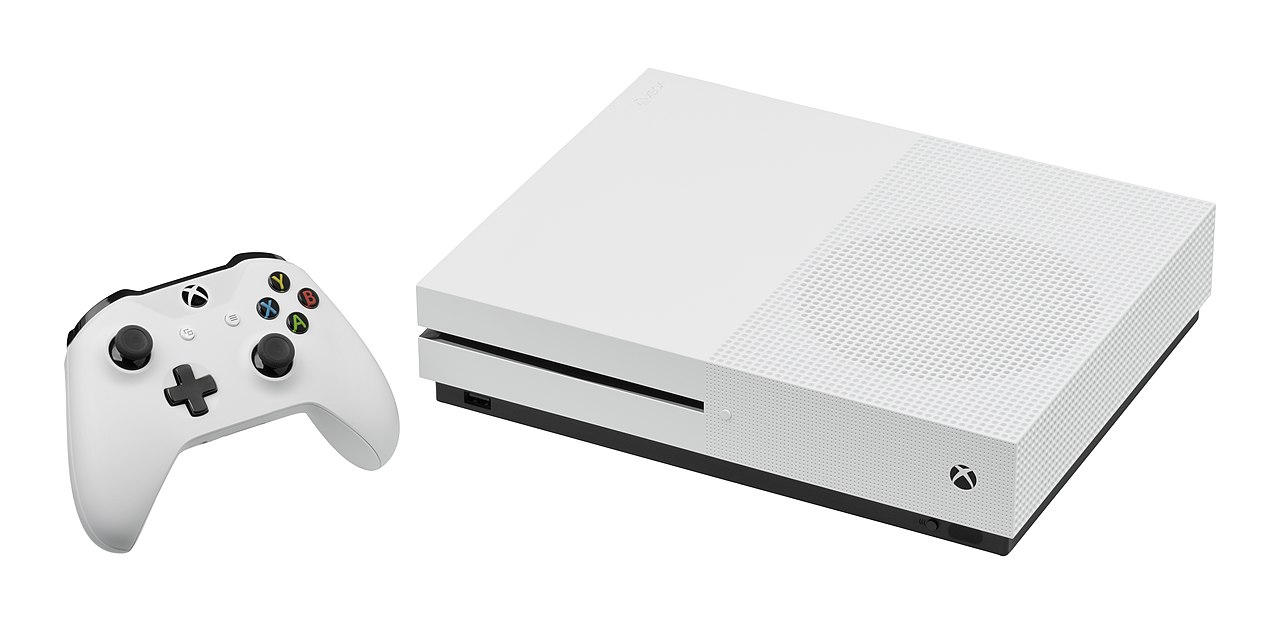
Three manufacturers dominated the home-console conversation. Sony announced the PlayStation 4 in early 2013 and released it later that year with an emphasis on developer-friendly architecture, social sharing features, and higher-fidelity graphics. Microsoft, represented by Microsoft and its Xbox team, introduced the Xbox One with broad multimedia ambitions; its initial launch strategy and digital-rights proposals provoked public debate, prompting policy changes before and after release. Nintendo’s contribution, the Wii U, focused on innovative local play and second-screen ideas rather than raw horsepower, but it struggled commercially against its competitors.
Handhelds, portable trends and timing
The handheld segment overlapped this generation and in some ways anticipated it. The modern handheld cycle began earlier: Nintendo’s 3DS family arrived in 2011 with glasses-free 3D and a strong roster of first-party games, while Sony’s PlayStation Vita reached markets in late 2011 and early 2012 and offered advanced hardware and remote-play options. Industry observers often treat these as part of the same era of portable gaming; references to handheld game consoles during this timeframe reflect overlapping consumer interest and competition between dedicated devices and mobile phones.
Market forces, competition and alternative devices
During the eighth generation, the traditional console market encountered new rivals. Mobile phones and tablets expanded rapidly, changing how many players accessed games; analysts and the video game media debated whether smartphones and app ecosystems would supplant dedicated hardware. The growth of mobile games and smart TV apps—often grouped under smartphone and tablet gaming—encouraged experiments such as microconsoles and PC-to-TV devices. Examples included attempts like NVIDIA’s Shield family, community-backed microconsoles and early Steam-based living-room systems that sought to bring PC ecosystems to the couch.
Technical trends, services and ecosystem shifts
Technically, this generation favored more standardized architectures, making it easier for developers to port between consoles and to leverage middleware. Online services, digital downloads, subscription models and social integration became core parts of platform strategies. Virtual-reality systems and streaming technologies emerged during the latter half of the generation, influencing game design and distribution. These platform- and service-level changes altered how publishers marketed titles and how players accessed libraries across devices and regions, including staggered rollouts to Western territories.
Transition, legacy and the hybrid era
Nintendo formally discontinued production of the Wii U in early 2017 as it prepared for a new approach: the Nintendo Switch, released worldwide in March 2017, blended handheld and home-console concepts. The Switch’s hybrid design and commercial success blurred generational boundaries and prompted discussion about whether it belonged to the eighth generation or inaugurated a ninth. Regardless of classification, the eighth generation is widely remembered for its shifts toward digital ecosystems, closer ties between console and mobile gaming, and experiments in form factor and service delivery that continue to influence the industry.
Notable developments and bullet points
- Key home launches: Wii U, PlayStation 4, Xbox One.
- Handhelds: 3DS family and PS Vita, marking the handheld overlap with the generation.
- New competitors and formats: microconsoles, PC-to-TV systems and mobile platforms challenged traditional models.
- Service emphasis: digital distribution, online multiplayer, streaming, and software-as-service trends accelerated.
The eighth generation represents a transitional chapter in the history of consoles: while firms still competed on hardware and exclusive games, many strategic decisions shifted toward services and cross-device experiences. Those changes set the stage for subsequent platforms and for ongoing debates about how to classify generational boundaries in an increasingly connected market.
Questions and answers
Q: What year did the eighth generation of video game consoles begin?
A: The eighth generation of video game consoles began in 2012.
Q: When was the Wii U released?
A: The Wii U was released at the beginning of the eighth generation in 2012.
Q: When was the PlayStation 4 announced?
A: The PlayStation 4 was announced on February 20, 2013.
Q: When did Microsoft announce the Xbox One?
A: Microsoft announced the Xbox One on May 21, 2013.
Q: What is believed by video game media about this generation's home consoles?
A: It is believed by video game media that the eighth generation home consoles compete with smartphone, tablet and Smart TV gaming markets.
Q: Are microconsoles like NVIDIA Shield competing in this market?
A: Yes, microconsoles such as NVIDIA Shield, Steam Box, Ouya and GameStick are attempting to compete in this market.
Q: When did Nintendo discontinue their Wii U console?
A: Nintendo officially discontinued their Wii U console on January 31, 2017 in anticipation of the March 3, 2017 worldwide release of their Nintendo Switch hybrid console.
Related articles
Author
AlegsaOnline.com Eighth generation of video game consoles: history and impact Leandro Alegsa
URL: https://en.alegsaonline.com/art/44510
Sources
- pcadvisor.co.uk : PS4 release date specs confirmed
- ign.com : "Microsoft Confirms Next-Gen Xbox Announcement"
- bloomberg.com : "Microsoft Said to Plan Next Xbox for 2013 Holiday Season"
- android.appstorm.net : "Nvidia Tegra: The Future of Android Gaming"
- geekaphone.com : "Mobile Gaming is Dominating the Gaming Industry"
- bloomberg.com : "Nintendo May Fail to Replicate Wii Success as IPhone Games Bloom"
- online.wsj.com : "Sony, Nintendo Place Big Bets on Handhelds"
- investorplace.com : "Will Smart TVs End the Game Console Business?"
- guardian.co.uk : "PlayStation 2 manufacture ends after 12 years"
- digitalspy.co.uk : "Can Android consoles Ouya, Project Shield challenge PlayStation, Xbox?"
- edge-online.com : "With Ouya, GameStick, Steam Box and more, will 2013 be the year of the 'microconsole'?"
- 1up.com : "Digital and Nontraditional: Breaking Down Ouya, Steam Box, And Other New Wave Systems"
- nintendo.co.jp : "Consolidated Sales Transition by Region"
- nintendo.co.jp : "Nintendo Top Selling Software Sales"