
History of the Americas: Peopling, Societies, and Contact
Survey of the Americas from first migrations and indigenous civilizations through contact, colonial transformation, independence movements, and ongoing cultural legacies across North, Central, and South America and the Caribbean.
Overview
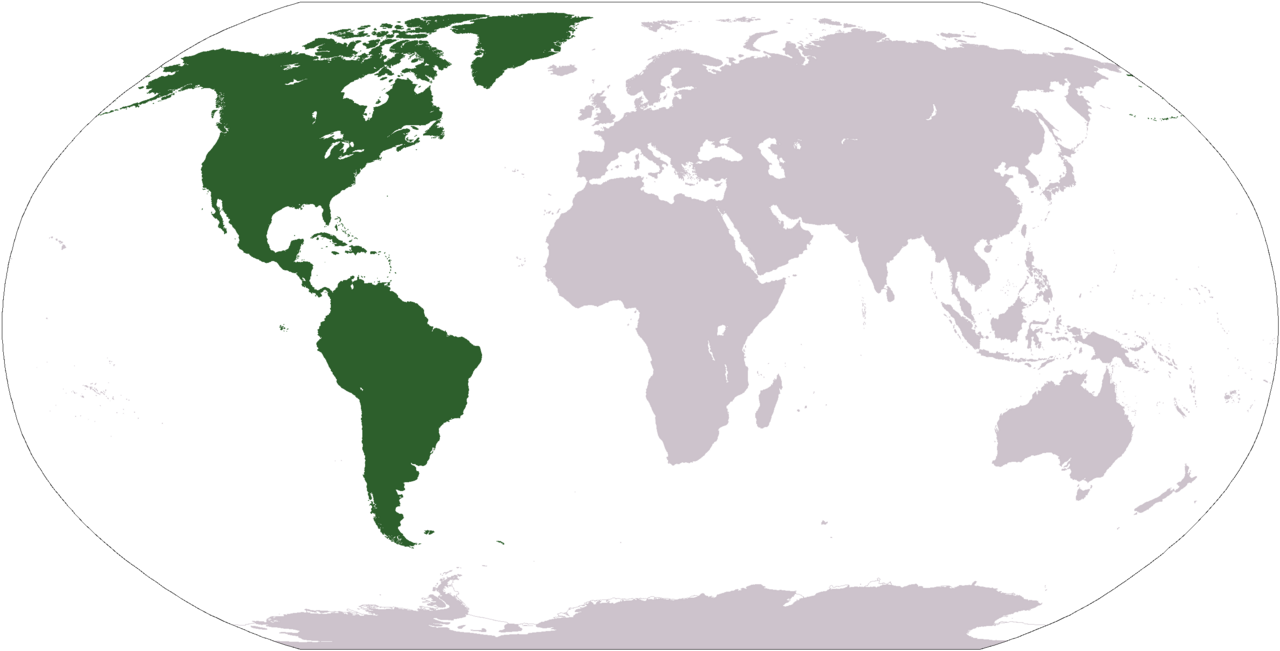
The history of the Americas encompasses the lands now called North America and South America, together with Central America and the Caribbean. Its deep past begins with the arrival of human groups who were migrating across continents such as Asia and, according to some evidence, contacts with Oceania in prehistory. These early movements occurred at times when sea levels and climates were different from today, including episodes commonly associated with the last Ice Age. For thousands of years populations in the hemisphere developed largely independent traditions before sustained contact with the Old World.
Image gallery
10 Images




Peopling and migration hypotheses
Most scholars agree that the immediate ancestors of contemporary Indigenous peoples entered the Americas in small groups that practiced hunting and foraging. Modern labels such as Native Americans cover a vast diversity of languages and lifeways. The dominant model emphasizes movement across the Bering Land Bridge or Beringia, a broad region crossing what is now the Bering Strait. Coastal migration routes along the northern Pacific, using boats or traveling on ice margins, are also plausible and receive increasing support from archaeology and paleoecology. Early migrants pursued large animals such as the mammoth and adapted to environments from Arctic tundra to tropical lowlands.
Development of regional cultures
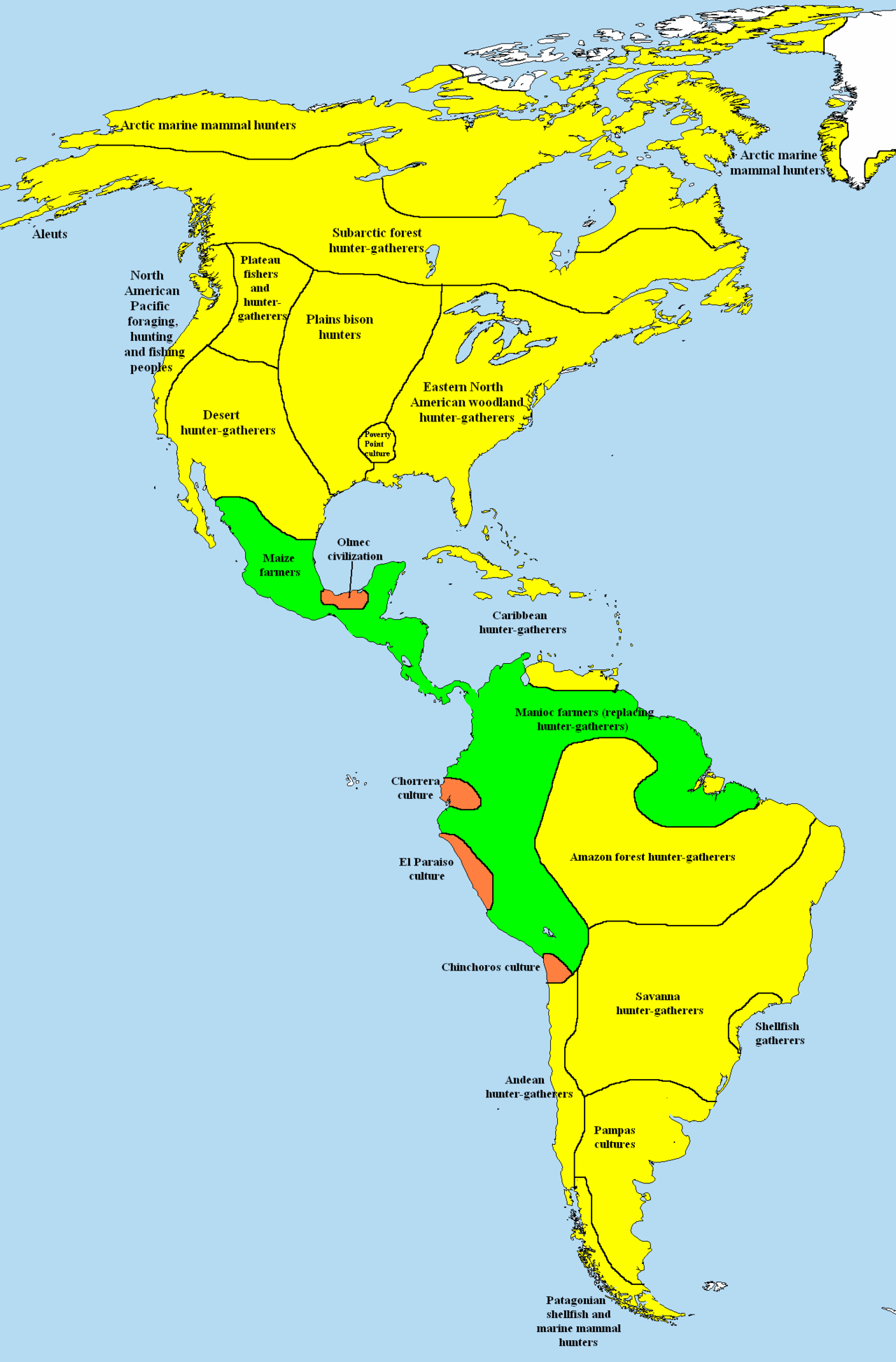
Over millennia a wide range of social forms developed. In North America, matrilineal clans and political confederacies took shape among groups such as the Iroquois, while in the Andes and parts of South America languages related to the Quechuas became prominent vectors of cultural continuity. Mesoamerica and the Andean highlands fostered states and literate or semi-literate bureaucracies often described as civilizations. These regions produced monumental architecture, complex agriculture, and specialized crafts.
- Early formative cultures include the Olmec, noted for early city planning and artistic traditions.
- Mesoamerica later saw the rise and fall of polities linked to the Toltecs, the Maya, and the dominant Triple Alliance centered on the Aztecs.
- In the Andes, the Inca state integrated diverse ecological zones and populations into large imperial structures.
Regional trajectories
North American societies exhibited great variety: mobile hunter-gatherer bands, sedentary agricultural villages, and large earthen-mound complexes. Central America and the Caribbean were important corridors and contact zones, where islands and isthmian landscapes shaped exchange networks. South America combined highland empires with rich coastal and Amazonian traditions that developed their own forms of complexity.
Contact era and its consequences
Long-distance contact between the Americas and peoples from other world regions happened in phases. Norse voyagers reached parts of the North Atlantic in the first millennium CE, while sustained transoceanic interaction began after the late 15th century with European exploration and colonization. These encounters introduced new technologies, religions, and political institutions, but also brought pathogens that caused demographic collapse among many indigenous populations and precipitated sweeping social and ecological change.
The so-called Columbian Exchange reshaped diets, economies, and environments: Old World domesticated animals, crops, and weeds arrived alongside European governance forms, and peoples were moved forcibly through systems of enslavement, producing the African diaspora across the hemisphere. Plantation economies, mineral extraction, and transatlantic trade integrated American regions into global economic circuits.
Colonial rule, independence, and nation-building
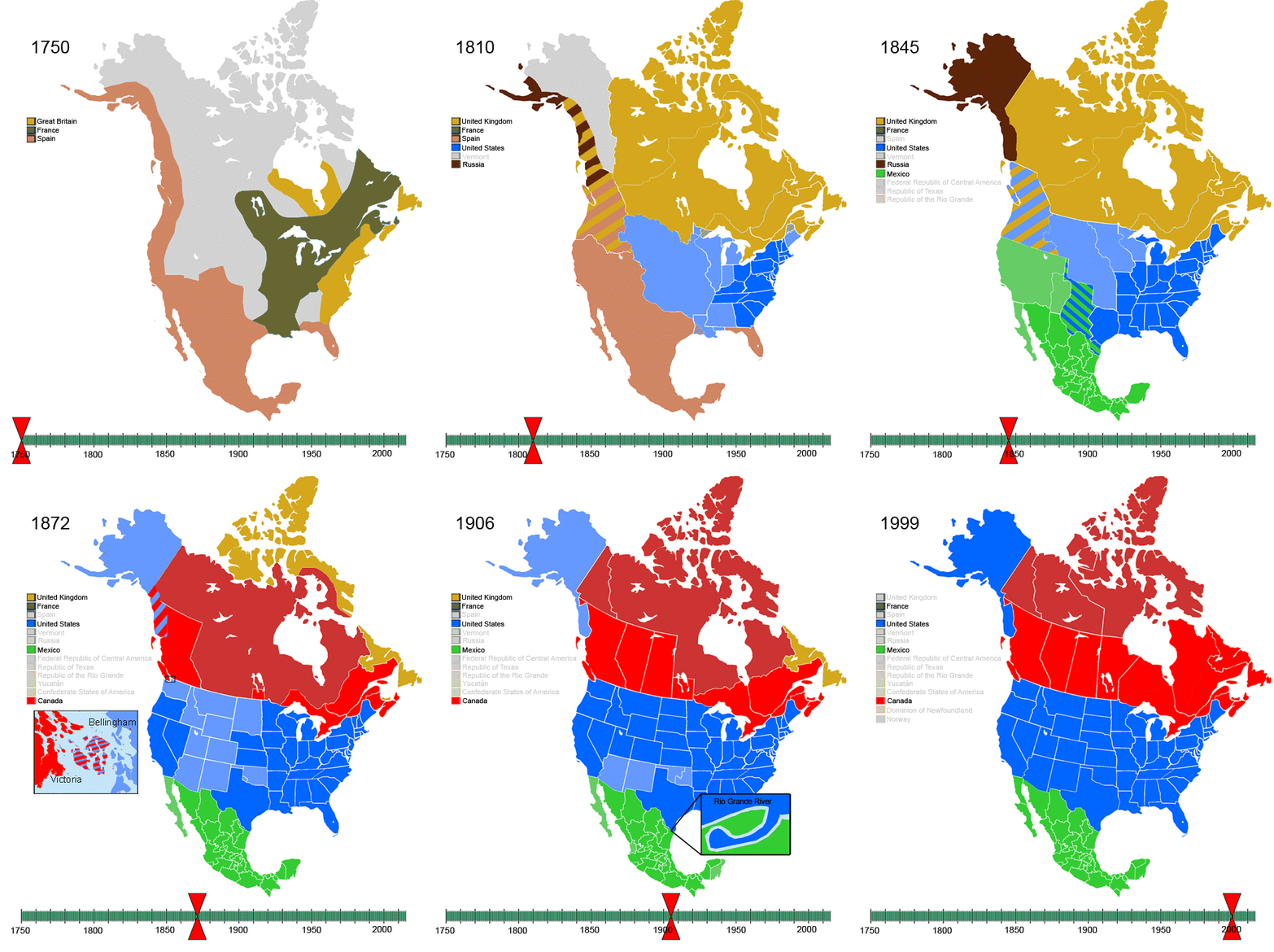
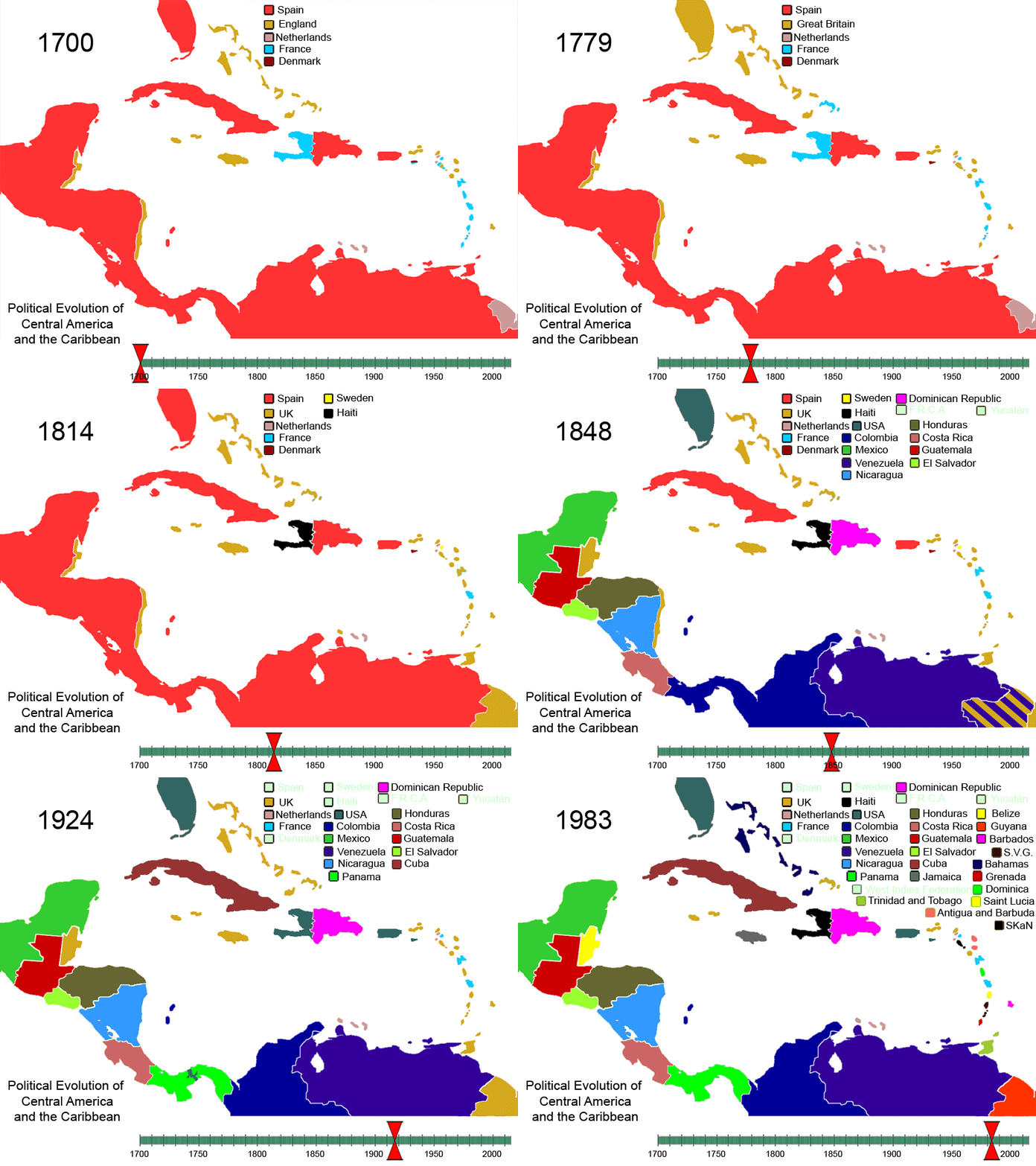
European powers created colonial administrations that varied across empires and regions. Over time, indigenous resistance, enslaved peoples' rebellions, creole elites, and external events produced independence movements in the 18th and 19th centuries. New nation-states faced challenges of territorial consolidation, multicultural populations, and competing claims to land and resources, setting patterns that affect contemporary politics.
Indigenous persistence, adaptation, and modern scholarship
Despite dispossession and demographic loss, Indigenous peoples have maintained languages, ceremony, and legal claims; many communities actively pursue cultural revitalization and political recognition. Modern disciplines—archaeology, ethnohistory, linguistics, and Indigenous scholarship—continue to refine understandings of migration timing, social organization, and technology transfer. Debates over the relative roles of coastal versus inland routes, the timing of earliest occupations, and the nature of early social complexity remain active areas of research.
Further study and resources
Readers can explore regional topics and primary themes through linked entries and specialized studies: North America, South America, Central America, the Caribbean, questions of human migration, contacts with Asia and Oceania, the effects of the Ice Age on movement, interactions with the Old World, the role of ancestors and modern Native Americans, lifeways of hunter-gatherers, the importance of the Bering Land Bridge and Beringia, the Bering Strait corridor, megafauna like the mammoth, political traditions including the Iroquois, Andean language families such as the Quechuas, studies of ancient civilizations, and work on the Toltecs, Olmec, and the Aztecs. These topics form the core of a broad, interdisciplinary field that connects past and present across the Americas.
Questions and answers
Q: What is the history of the Americas?
A: The history of the Americas is the history of North and South America, including Central America and the Caribbean. It begins with people migrating to these areas from Asia and possibly Oceania during an Ice age.
Q: How did people migrate to the Americas?
A: The most popular theory says that migrants came to the Americas via a land mass called Beringia, which was covered by cold ocean waters in the Bering Strait. Small Paleo-Indian groups probably followed prey animals, while some may have traveled into North America on shelf or sheet ice along the northern Pacific coast.
Q: What cultures developed in North and South America?
A: Cultural traits brought by early immigrants evolved over time and spawned such cultures as Iroquois on North America and Quechuas of South America. These cultures later developed into civilizations like Zapotec, Toltecs, Olmec, Maya, Aztecs, and Inca.
Q: When did Old World peoples first encounter those in the Americas?
A: Europeans first encountered those living in the Americas during 10th and 15th centuries.
Q: Are there any theories about how Native Americans migrated to North America?
A: Yes, one popular theory suggests that Native Americans migrated to North American via a land mass called Beringia which was covered by cold ocean waters in what is now known as Bering Strait.
Q: How did cultural traits evolve over time in North and South America? A: Cultural traits brought by early immigrants evolved over time resulting in new cultures like Iroquois on North American continent and Quechuas of South American continent which eventually led to development of advanced civilizations like Zapotecs, Toltecs, Olmecs etc..
Related articles
Author
AlegsaOnline.com History of the Americas: Peopling, Societies, and Contact Leandro Alegsa
URL: https://en.alegsaonline.com/art/44493
Sources
- links.jstor.org : Nits Make Lice: Drogheda, Sand Creek, and the Poetics of Colonial Extermination