
History of the Alphabet: Origins, Development, and Global Influence
A concise account of how alphabetic writing arose from ancient scripts, developed through Phoenician and Greek adaptations, and shaped many modern writing systems and literacy practices.
Overview
The alphabet is a set of written symbols in which each sign typically corresponds to a single phoneme of a spoken language. The history of the alphabet traces a shift from pictographic and syllabic systems toward simpler, more flexible sign inventories that made literacy more accessible and adaptable across languages.
Image gallery
3 Images
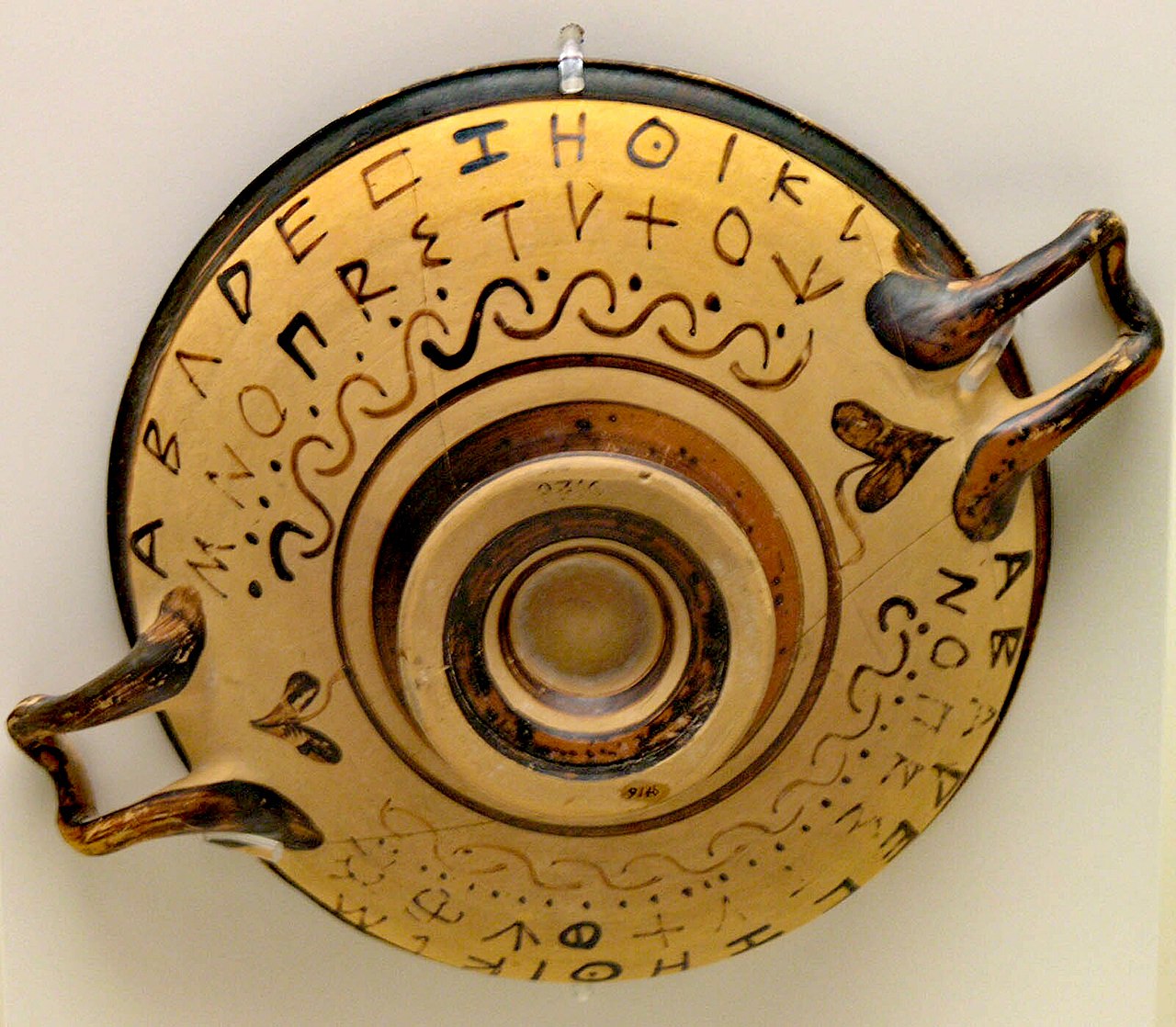

Origins and early development
Scholars trace the roots of alphabetic principle to contacts between speakers of Semitic languages and the administrative culture of Ancient Egypt. Around the late third to early second millennium BCE, a small set of acrophonic signs appears to have been abstracted from Egyptian pictographs, creating an early consonant-based script often called Proto-Sinaitic. This innovation reduced hundreds of signs to a manageable inventory and emphasized phonetic value over pictorial meaning.
From Phoenicia to Greece
The tradition was refined and widely disseminated by maritime traders of the first millennium BCE. The Phoenician script presented a compact, consonant-focused system that spread around the Mediterranean. Greek-speaking communities adapted that model and introduced written symbols for vowel sounds, a change that produced the first true alphabet in the sense of separate signs for consonants and vowels. The Greek alphabet thus became a key ancestor for many European scripts.
Major descendants and adaptations
From Greek came several influential offshoots: the Latin alphabet, which underpins many Western languages; the scripts used to form Cyrillic; and other regional alphabets. Semitic-derived scripts also evolved independently into forms such as the Hebrew and Arabic scripts. Different writing traditions applied the alphabetic idea in varied ways—some retained consonant-heavy forms (abjads), while others created syllabic or mixed systems.
Types and defining features
Writing systems that share alphabetic principles can still differ markedly. An abjad records mainly consonants, an abugida assigns an inherent vowel to a consonant base and modifies it with diacritics, and a true alphabet has separate letters for vowels and consonants. The visual order, presence of uppercase and lowercase, diacritics, and reading direction are cultural choices that developed later. Many of these features can be traced to the original choices made by early adopters and adaptors of alphabetic models.
Legacy and significance
The spread of alphabetic writing had long-term effects on administration, religion, law, literature, and education. By simplifying the graphic representation of speech, alphabets supported wider literacy and facilitated the preservation and transmission of texts. In the modern era, alphabetic scripts remain dominant in many regions and continue to evolve in the context of printing, type design and digital encoding. For further context on symbol forms and comparative charts, see discussions of Egyptian hieroglyphs and early Semitic inscriptions at related materials and resources on classical adaptations at regional studies.
- Key stages: pictograph → syllabary → consonant alphabet → full alphabet
- Notable outcomes: Greek vowel signs; Latin and Cyrillic scripts; widespread literacy models
- Related distinctions: abjad (consonant-focused), abugida (syllabic with inherent vowels), alphabet (separate vowels)
Questions and answers
Q: Where did the history of the alphabet begin?
A: The history of the alphabet began in Ancient Egypt.
Q: When did the first pure alphabet emerge?
A: The first pure alphabet emerged around 2000 BCE.
Q: What was the purpose of the first pure alphabet?
A: The first pure alphabet was used to represent the language of Semitic workers in Egypt.
Q: Where did the alphabetic principles of the Egyptian hieroglyphs come from?
A: The alphabetic principles of the Egyptian hieroglyphs were derived from the first pure alphabet.
Q: Which alphabets in the world today descend directly from the first pure alphabet?
A: The Greek and Latin alphabets descend directly from the first pure alphabet.
Q: Were all alphabets in the world today inspired by the first pure alphabet?
A: No, not all alphabets in the world today were inspired by the first pure alphabet.
Q: What was the influence of the first pure alphabet on the development of alphabets in the world today?
A: The first pure alphabet had a significant influence on the development of many alphabets in the world today, as they either descend directly from it or were inspired by its design.
Related articles
Author
AlegsaOnline.com History of the Alphabet: Origins, Development, and Global Influence Leandro Alegsa
URL: https://en.alegsaonline.com/art/44492