
History of Tamil Nadu: From Prehistory to the Modern State
A concise overview of Tamil Nadu's historical development from prehistoric settlement and the Sangam age through medieval kingdoms, colonial rule and the modern state's cultural and political significance.
Overview
The region now called Tamil Nadu in southern India has a long record of human habitation, a distinct Dravidian language and rich cultural traditions centered on the Tamil language. Its history spans prehistoric camps and stone-age settlements, early historic urban centers, powerful medieval kingdoms and a modern political identity shaped by language and social movements.
Archaeological finds and literary traditions show continuous settlement since prehistoric times in what ancient authors called Tamilakam. The landscape of coastal plains, river valleys and interior hills supported farming, craft production and maritime trade. Early inscriptions and Sangam poetry preserve memories of kings, towns such as Madurai and trade links extending to the West.
Image gallery
10 Images




Major periods and legacy
Scholars typically divide the region's past into several overlapping phases: prehistoric and protohistoric eras; the Sangam or early historic period with flourishing Tamil literature; the early medieval age of Pallavas, Pandyas, Cheras and rising Cholas; and the later medieval and early modern centuries during which the Vijayanagara empire, local Nayak polities and other powers shaped politics and culture.
- Prehistoric and Sangam age: development of agriculture, megalithic burials, and classical Tamil literature.
- Early medieval era: temple-building, script and inscriptional records, expansion of trade networks.
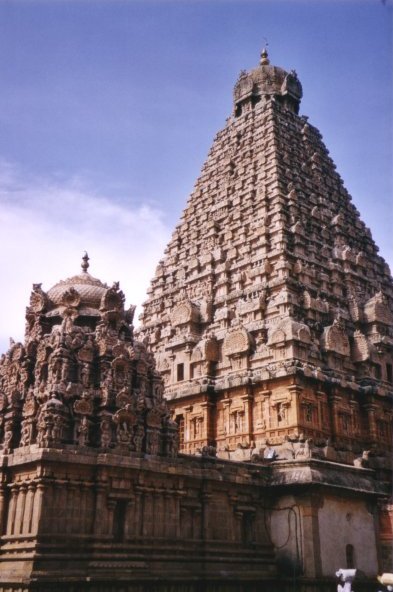
- Chola ascendancy: notable for temple architecture and long-distance maritime trade.
- Early modern and colonial periods: competing regional powers followed by European trading companies and integration into the British Madras Presidency.
In the 20th century the region's political life was strongly influenced by movements emphasizing Tamil language, social reform and regional autonomy. After Indian independence many administrative changes led to the formation of a modern state defined by language and cultural identity; these developments also fostered industrialization, educational institutions and a global Tamil diaspora.
Notable lasting contributions include a continuous literary tradition in Tamil, monumental temple architecture and performing arts such as Carnatic music and Bharatanatyam. Archaeological sites, inscriptions and living customs make the history of Tamil Nadu important for understanding South Asian civilizations and their long interactions across the Indian Ocean world.
Questions and answers
Q: What is the history of Tamil Nadu?
A: The history of Tamil Nadu goes back to the early stone age.
Q: Where is Tamil Nadu located?
A: Tamil Nadu is located in the southern part of the Republic of India.
Q: How long has Tamil Nadu been continuously inhabited by humans?
A: Tamil Nadu has been continuously inhabited by humans since prehistoric times.
Q: What is considered prehistoric times in Tamil Nadu?
A: Prehistoric times in Tamil Nadu refers to a period of time before written records were kept.
Q: Has the region of Tamil Nadu always been called by that name?
A: The region of Tamil Nadu has not always been called by that name throughout history.
Q: What did the early inhabitants of Tamil Nadu leave behind?
A: The early inhabitants of Tamil Nadu left behind evidence of their existence such as tools and artifacts.
Q: Is Tamil Nadu still important today?
A: Yes, Tamil Nadu is still an important state in India today with a rich history and culture.
Related articles
Author
AlegsaOnline.com History of Tamil Nadu: From Prehistory to the Modern State Leandro Alegsa
URL: https://en.alegsaonline.com/art/44491