
Saffron cultivation: origins, spread, and historical significance
A concise history of saffron cultivation from its wild Crocus roots in the Bronze Age Mediterranean to its worldwide spread, botany, uses, and cultural importance.
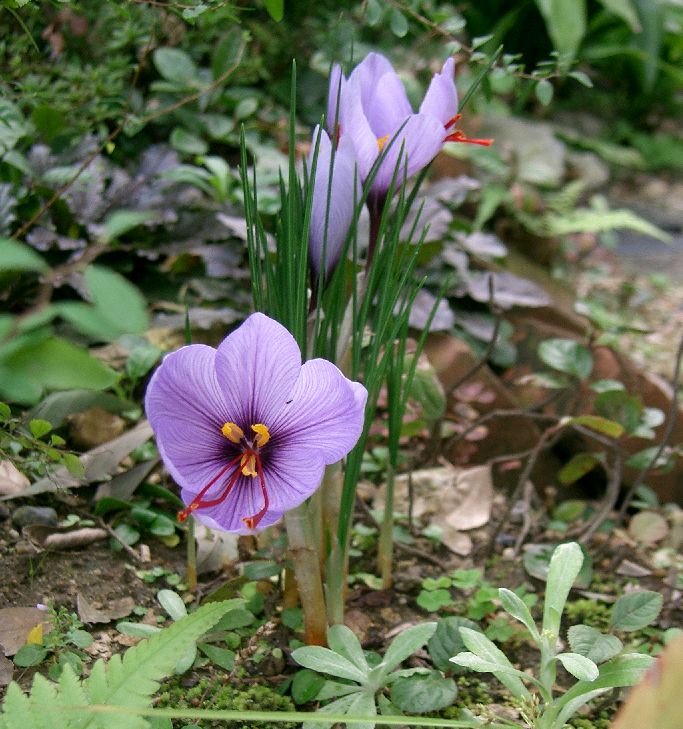
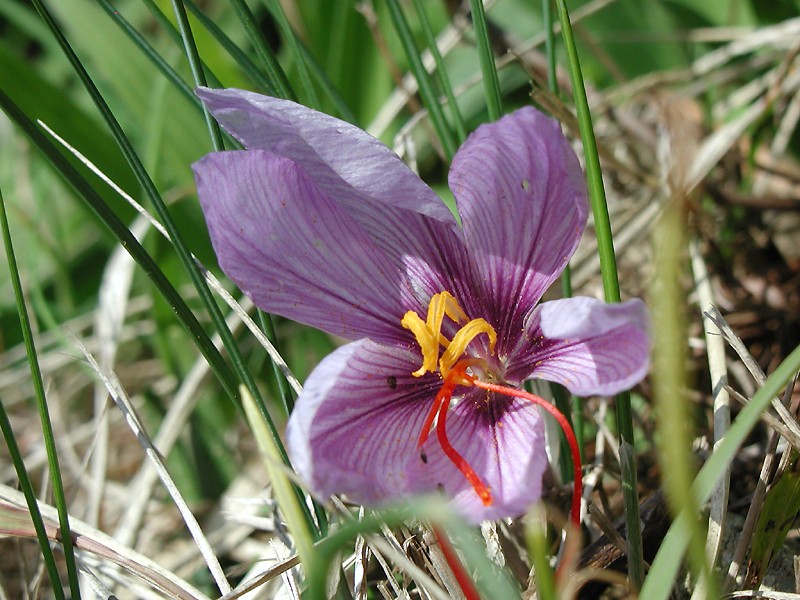
The story of saffron cultivation begins with a small purple-flowered crocus and millennia of human selection. What is now grown for its aromatic red stigmas, the spice saffron, traces back to wild relatives in the eastern Mediterranean. Over centuries people selected plants with longer, more vivid stigmas and refined techniques to propagate and harvest the crop. Modern research and traditions both contribute to our understanding of how saffron changed from a wild accessory to a valuable cultivated commodity. Botanical studies continue to shed light on this process.
Image gallery
9 Images




Origins and early domestication
Scholars link the cultivated saffron crocus (Crocus sativus) to a wild ancestor often identified as Crocus cartwrightianus. Evidence suggests domestication took place in the eastern Mediterranean during the late Bronze Age, where people began favoring plants with prominent stigmas and multiplying them by dividing corms. Archaeological finds and artistic depictions from Crete and surrounding regions support an early role for Aegean communities in the development of saffron cultivation. See archaeological contexts from the late Bronze Age for more background. Bronze Age Crete and related sites provide key clues. Regional studies discuss the island’s role in early cultivation.
Spread and recorded mentions
Written references and material evidence show saffron had reached a broad geographic range by antiquity. A botanical text attributed to the Assyrian period is often cited as one of the earliest documentary mentions, written in the era of Ashurbanipal and reflecting practical uses and observations. Such ancient accounts attest to both horticultural knowledge and medicinal or aromatic applications. Over subsequent centuries saffron appears in Persian, Greek and Roman sources and later in medieval Islamic and European writings as its trade and cultivation spread westward and eastward. Assyrian writings and mentions of rulers like Ashurbanipal are frequently referenced in historical surveys.
Botany, cultivation practices, and distinguishing traits
Crocus sativus is a triploid, sterile plant that does not set seed and is therefore propagated vegetatively via corms. Each flower typically produces three vivid red stigmas, the threads harvested as saffron; this scarcity is a major reason for its high value. Cultivation remains labor intensive: planting and lifting corms, and the delicate hand-harvest and drying of stigmas, are central tasks. Regions with long-established saffron agriculture have developed seasonal rhythms and local varieties. Modern overviews of production areas and agronomy provide practical details for growers and researchers. Cultivation guides summarize contemporary methods.
Uses, trade, and cultural significance
Saffron’s uses have been culinary, textile, cosmetic and medicinal. It has flavored and colored dishes across Mediterranean, South Asian and Middle Eastern cuisines; it has been used as a dye and perfume ingredient; and it has long featured in traditional remedies. Its rarity and distinctive aroma made it a luxury commodity in trade networks from antiquity through the medieval period, contributing to regional economies and cultural practices. Concerns such as adulteration and quality grading have accompanied its value since historical times.
Notable milestones and distinctions
- Early selection from wild crocus populations in the eastern Mediterranean and Crete, late Bronze Age.
- Documentary mentions in ancient Near Eastern botanical texts and later classical sources.
- Adoption and refinement of vegetative propagation and hand-harvesting techniques across regions.
- Persistent cultural importance as a spice, dye and medicinal substance, with distinctive regional traditions.
For further reading on historical texts, archaeology, botany and modern cultivation practices, consult specialized sources that synthesize ancient records and recent scientific work. Historical compilations, primary texts, and botanical research provide complementary perspectives, while regional agronomic guides such as archaeobotanical surveys and local histories help trace how saffron cultivation became a global phenomenon.
Questions and answers
Q: What is the history of saffron growing?
A: The history of saffron growing reaches back more than 3,000 years. Wild plants with long stigmas were chosen by humans, and eventually C. sativus came into being in late Bronze Age Crete.
Q: What was the first document to mention saffron?
A: The first document to mention saffron is a 7th-century BC Assyrian book about botany which was written in the time of Ashurbanipal.
Q: How long has saffron been used for medicinal purposes?
A: Saffron has been used for medicinal purposes for about 4,000 years.
Q: What type of plant is the wild form from which the saffron crocus comes from?
A: The wild form from which the saffron crocus comes from is called Crocus cartwrightianus.
Q: When did C. sativus come into being?
A: C. sativus came into being in late Bronze Age Crete.
Q: Who wrote the 7th-century BC Assyrian book about botany that mentions saffron?
A: The 7th-century BC Assyrian book about botany that mentions saffron was written in the time of Ashurbanipal.
Related articles
Author
AlegsaOnline.com Saffron cultivation: origins, spread, and historical significance Leandro Alegsa
URL: https://en.alegsaonline.com/art/44484
Sources
- crop.cri.nz : "Growing Saffron—The World's Most Expensive Spice"
- ncbi.nlm.nih.gov : PMID 15259204
- ikashmir.org : "Cultural Heritage of India—Kashmiri Pandit Contribution"
- books.google.com : On Food and Cooking: The Science and Lore of the Kitchen
- books.google.com : Saffron
- news.bbc.co.uk : "Gathering Kashmir's Saffron"
- shen-nong.com : "Qin Dynasty 221–207 B.C."
- books.google.com : Secrets of Saffron: The Vagabond Life of the World's Most Seductive Spice