
Anne of Austria
Queen consort of France and regent for Louis XIV (1601–1666). Spanish-born Infanta who shaped 17th-century French politics during the minority of her son and fostered cultural and religious patronage.
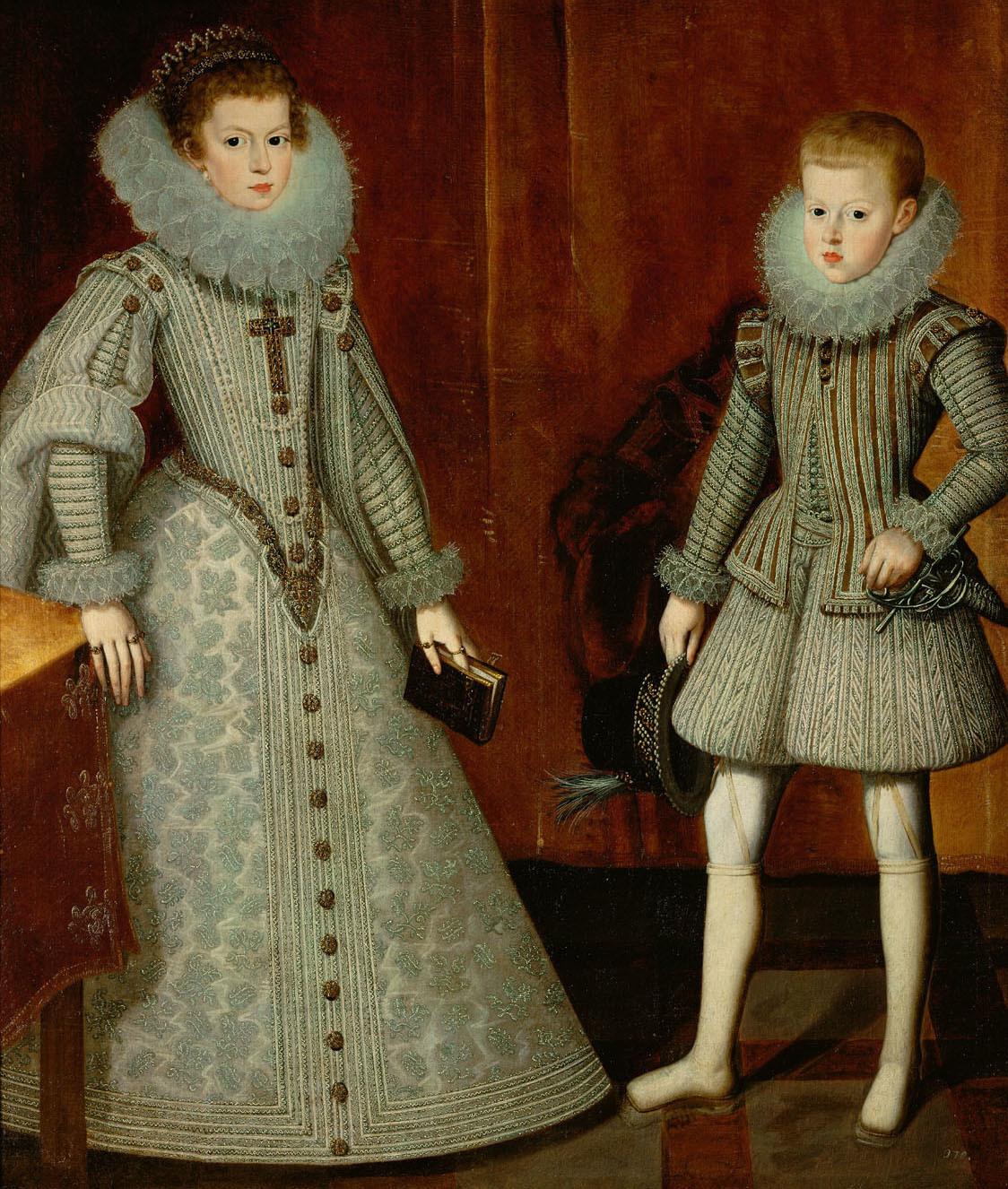
Anne of Austria (1601–1666) was a Spanish Habsburg princess who became queen consort of France and later served as regent for her son, Louis XIV. Born an Infanta of Spain and a member of the Austrian Habsburg dynasty, she is remembered for her lengthy marriage to Louis XIII, her central role in the politics of mid-17th-century France, and her influence during a turbulent regency marked by civil unrest and ministerial rivalry. For more on her identity and names in different languages, see Anne d'Autriche.
Image gallery
10 Images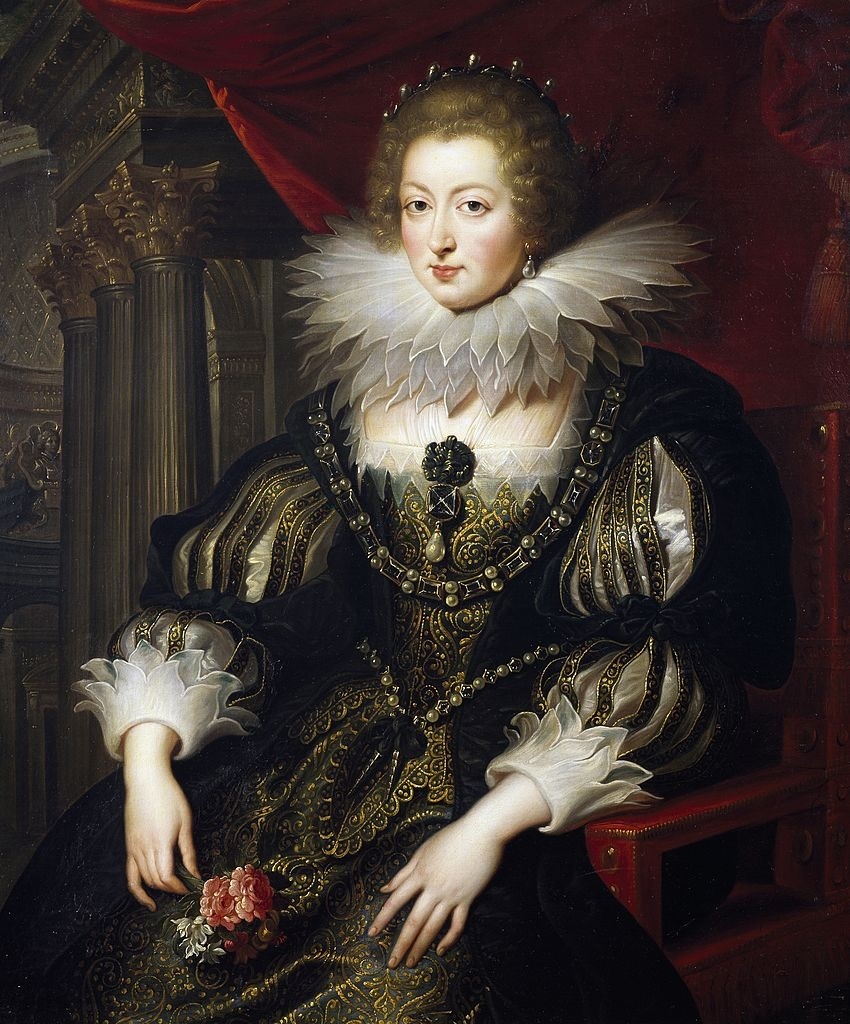



Early life and family background
Anne was born into the ruling Habsburg houses that dominated European dynastic politics. Her upbringing combined the formal education typical for royal women of the period—religion, languages, and court etiquette—with the diplomatic expectations of a princess whose marriage would cement alliances. As an Infanta she maintained strong dynastic ties with Spain and the Holy Roman Empire, connections that shaped perceptions of her loyalties after she moved to the French court.
Marriage and position as queen
She married King Louis XIII of France in a dynastic union intended to strengthen ties between France and Spain. As queen consort she occupied both ceremonial and political roles: representing continuity and legitimacy at court, presiding over ceremonies, and offering counsel at times. Her marriage was marked by long periods of separation from the king and by the couple’s struggle to produce an heir; their eventual son became the future Louis XIV. Her role as queen is summarized in greater detail at Queen Consort of France and her connection to regional crowns is noted at Navarre.
Regency, government, and the Fronde
When Louis XIII died in 1643, Anne became regent for the five-year-old Louis XIV. During her regency (1643–1651) she relied on Cardinal Jules Mazarin as chief minister to manage state affairs and to continue policies begun under Cardinal Richelieu. The period of her regency included the Fronde, a series of noble and parliamentary uprisings driven by opposition to centralizing policies and fiscal pressures. Anne’s court navigated a complex balance between supporting royal authority and negotiating with powerful aristocratic factions.
Her regency saw efforts to stabilize royal finances, maintain foreign policy priorities, and preserve the monarchy’s prestige. Cardinal Mazarin’s influence during this time was substantial, and Anne’s political choices are often considered in light of their partnership. For a focused account of her regency and chief ministers, consult Regency and government.
Legacy, patronage, and historical view
- Dynastic importance: mother of Louis XIV, whose long reign reshaped French and European affairs.
- Political role: successful in maintaining the throne during a vulnerable minority despite internal unrest.
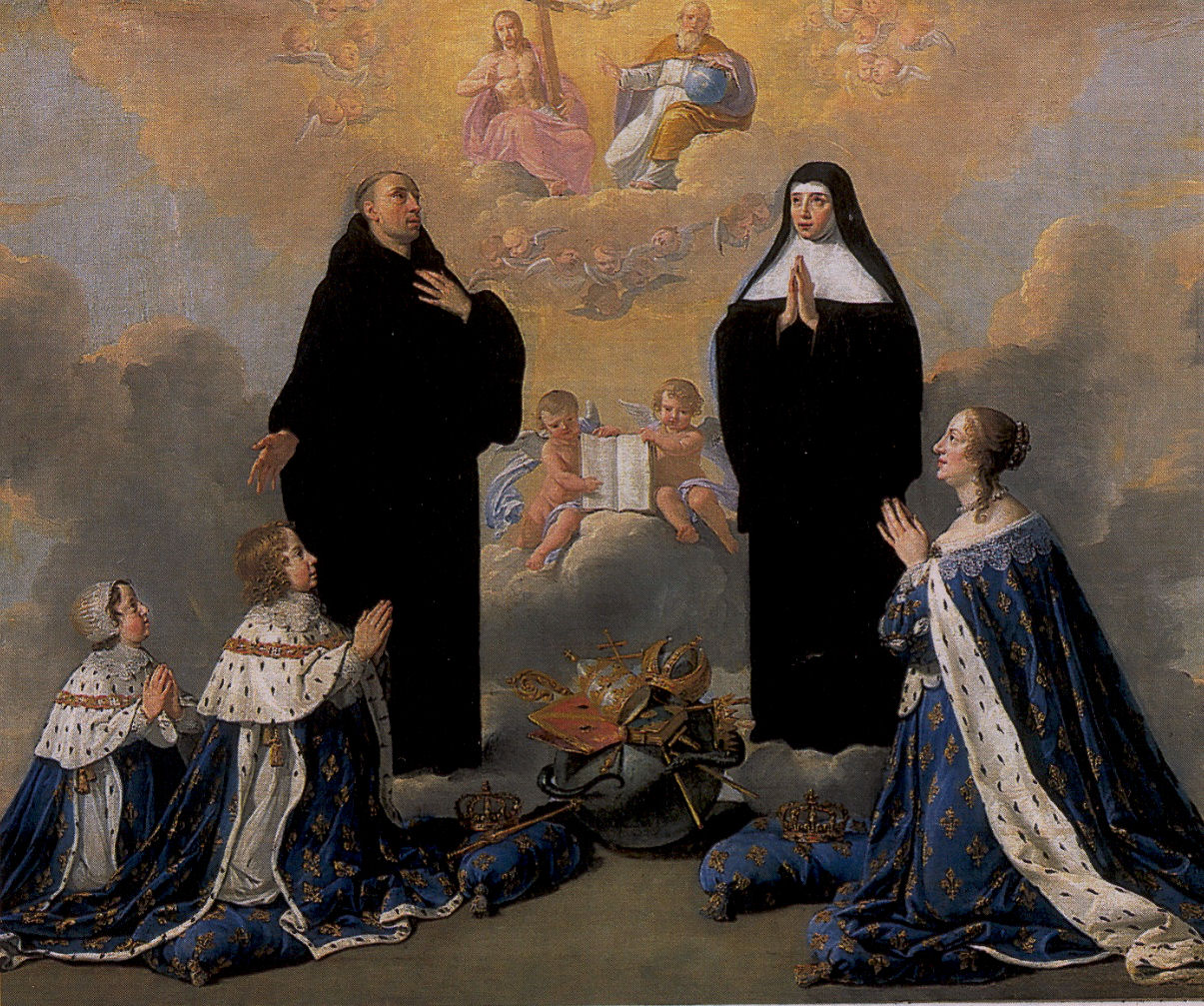
- Cultural and religious patronage: known for piety, support of religious houses, and patronage of the arts and court culture.
- Historical reputation: mixed—praised for protecting her son and preserving the monarchy, criticized by some contemporaries for reliance on foreign-born ministers.
Anne of Austria’s life illustrates how royal women could exercise power behind the throne, using dynastic status, personal networks, and political alliances. Her regency helped set the stage for the absolutist policies that emerged under Louis XIV, and her patronage left traces in religious foundations and cultural institutions of 17th-century France.
Questions and answers
Q: Who was Anne of Austria?
A: Anne of Austria was Queen consort of France and Navarre, as well as a regent for her son, Louis XIV.
Q: When was Anne of Austria born?
A: Anne of Austria was born on September 22, 1601.
Q: What did Anne of Austria do during her regency?
A: During her regency from 1643-1651, Anne of Austria served as France's regent, with Cardinal Mazarin as the chief minister.
Q: What was Anne of Austria's full name?
A: Anne of Austria's full name was Ana María Mauricia and she was also known as Anne d’Autriche in French.
Q: What countries was Anne of Austria associated with?
A: Anne of Austria was associated with Spain, Portugal, and Austria.
Q: Who was Anne of Austria's son?
A: Anne of Austria's son was Louis XIV of France.
Q: When did Anne of Austria die?
A: Anne of Austria died on January 20, 1666.
Related articles
Author
AlegsaOnline.com Anne of Austria Leandro Alegsa
URL: https://en.alegsaonline.com/art/4427
Sources
- commons.wikimedia.org : Anne of Austria
- britannica.com : "Anne of Austria (queen of France) -- Britannica Online Encyclopedia"
- amazon.com : "Amazon.com: The Married Life of Anne of Austria: Queen of France, Mother of Louis Xiv (1913) (9781112021442): Martha Walker Freer: Books"