
Hilo, Hawaii: Island county seat, culture, and coastal community
Hilo is the largest community on the island of Hawaiʻi and the county seat of Hawaiʻi County. Known for abundant rainfall, proximity to Mauna Loa and Mauna Kea, the university, cultural festivals and agricultural industry.
Overview
Hilo is the largest settlement on the island of Hawaiʻi and an important center for the eastern side of the island. It is officially a census-designated place and serves as the county seat of Hawaiʻi County. The town and surrounding communities overlook Hilo Bay and function as the island's primary administrative, commercial and service hub. Past census counts, including the 2000 census, have shown Hilo's role as a regional population and economic center.
Image gallery
10 Images


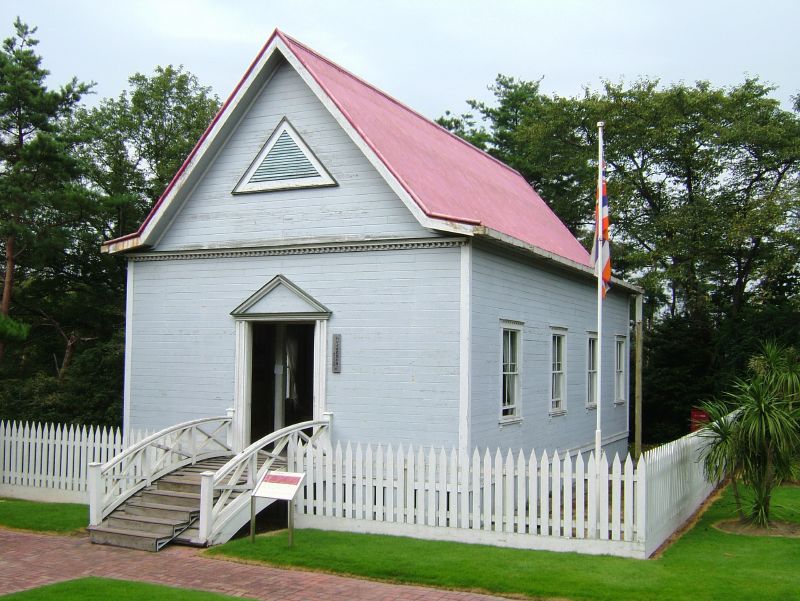

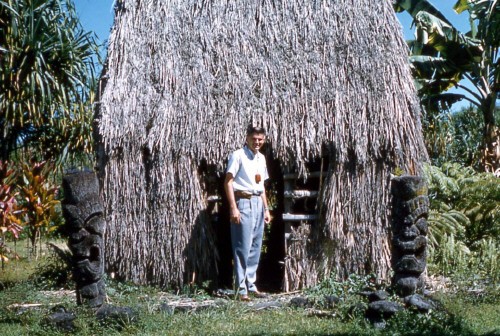

Geography and climate
Located on the windward (eastern) shore, Hilo experiences frequent rainfall and supports dense, tropical vegetation. The coastal plain rises inland toward the slopes of large shield volcanoes, and local rivers and valleys drain through the town to the bay. High rainfall and a humid, tropical climate influence land use, gardens and public green space in the area.
Volcanoes and observatories
Hilo lies between two major shield volcanoes. To the southwest is the active Mauna Loa, and to the northwest is the high volcanic peak Mauna Kea, often referred to in geological contexts as a dormant volcano. Mauna Kea hosts many of the world's leading ground-based astronomical observatories because of its elevation and atmospheric conditions. The nearby volcanic landscape shapes soils, scenic character and natural hazards on the island; local institutions study volcanism and its effects on communities.
History and natural hazards
Hilo's coastal position made it an early center for trade, shipping and plantation-era agriculture. Over time the town has been affected by tsunamis, floods and storms, events that have shaped local planning, shoreline development and evacuation systems. River channels and drainage works, coastal protections and community preparedness are important elements of Hilo's public safety planning.
Economy, education and institutions
The local economy combines government services, education, agriculture and tourism. Hilo is home to the University of Hawaiʻi at Hilo, which contributes to higher education, research and cultural programs on the island. Agriculture in the region includes macadamia nuts, tropical fruits and small-scale farms; one notable local brand is the Mauna Loa Macadamia Nut Corporation, which maintains operations on the island. Public administration and airport services also support regional employment.
Culture and annual events
Hilo retains strong connections to Hawaiian language, traditions and the arts. The town hosts cultural events that celebrate hula, music and island heritage; one of the best-known annual gatherings is the Merrie Monarch Festival, a week-long festival of hula and Hawaiian culture held in the spring. Local museums, galleries, community centers and educational programs provide interpretation of history, natural science and Hawaiian culture for residents and visitors.
Landmarks, parks and markets
- Coastal parks, a bayfront promenade and the tropical gardens in and around town.
- Natural attractions such as Rainbow Falls and the Wailuku River valley.
- A busy downtown market district and the Hilo Farmers Market, known for local produce, flowers and crafts.
- Access routes for scientific visits and interpretive trips to high-elevation observatories on Mauna Kea.
Transportation and civic role
Hilo is served by regional transportation links including Hilo International Airport, a harbor and a network of highways that connect the town to other parts of the island. The airport is located within the broader census area and links the island with other Hawaiian islands and the U.S. mainland. As the administrative center of Hawaiʻi County, Hilo contains government offices, courts and public services that support island residents.
Further information and resources
Readers seeking authoritative, updated information on demographics, emergency planning, cultural programming and visitor services may consult official state and local resources. Relevant topics include the State of Hawaiʻi, geological and volcanic studies of shield volcanoes, and specific material on Mauna Loa and Mauna Kea. Historical records, community organizations and university publications also provide context on Hilo's development and ongoing cultural life.
For historical census data and demographic summaries see the 2000 census references and other population reports. Local civic information and county services are available through government portals and community centers that maintain current guidance on safety, land use and cultural events.
Questions and answers
Q: What is the population of Hilo?
A: The population of Hilo, according to the 2000 census, is 40,759.
Q: What two volcanoes are near Hilo?
A: Near Hilo are two shield volcanoes - Mauna Loa and Mauna Kea.
Q: What type of volcano is Mauna Loa?
A: Mauna Loa is an active volcano.
Q: What type of volcano is Mauna Kea?
A: Mauna Kea is a dormant volcano.
Q: What event takes place in Hilo every year after Easter?
A: Every year after Easter, Hilo hosts the Merrie Monarch Festival - a week-long celebration of ancient and modern hula.
Q: What company has its headquarters in Hilo?
A: The Mauna Loa Macadamia Nut Corporation, one of the world's leading producers of macadamia nuts, has its headquarters in Hilo.
Q: How does one get to Hilo?
A: One can get to Hilo by plane via the nearby airport -Hilo International Airport- which lies inside the CDP (Census Designated Place).
Related articles
Author
AlegsaOnline.com Hilo, Hawaii: Island county seat, culture, and coastal community Leandro Alegsa
URL: https://en.alegsaonline.com/art/44245
Sources
- naco.org : "Find a County"
- factfinder.census.gov : Hilo CDP, Hawaii
- hdl.handle.net : "Personal Accounts from Survivors of the Hilo Tsunamis of 1946 and 1960: Toward a Disaster Communications Model"
- census.gov : "US Gazetteer files: 2000 and 1990"
- cdo.ncdc.noaa.gov : "NCDC: U.S. Climate Normals"
- prh.noaa.gov : Hilo, Hawaiʻi information
- weather.com : "Monthly Averages for Hilo, HI"
- ncdc.noaa.gov : Record 24-hour rainfall
- tsunami.org : "Where is Hilo Hawai'i?"
- papahanaumokuakea.gov : "Education - Discovery Center"