
Hillary Clinton 2016 presidential campaign
Overview of Hillary Clinton's 2016 campaign: announcement, primary battle, themes, controversies, general election against Donald Trump, outcome and its political significance.
The 2016 presidential campaign of Hillary Clinton began on April 12, 2015, when she announced her candidacy in a short online video. A former Secretary of State, First Lady, and United States Senator from New York, Clinton's 2016 bid was her second run for the presidency after 2008. From the start she was widely considered the frontrunner for the Democratic nomination, though she faced a strong insurgent challenge from Senator Bernie Sanders.
Image gallery
10 Images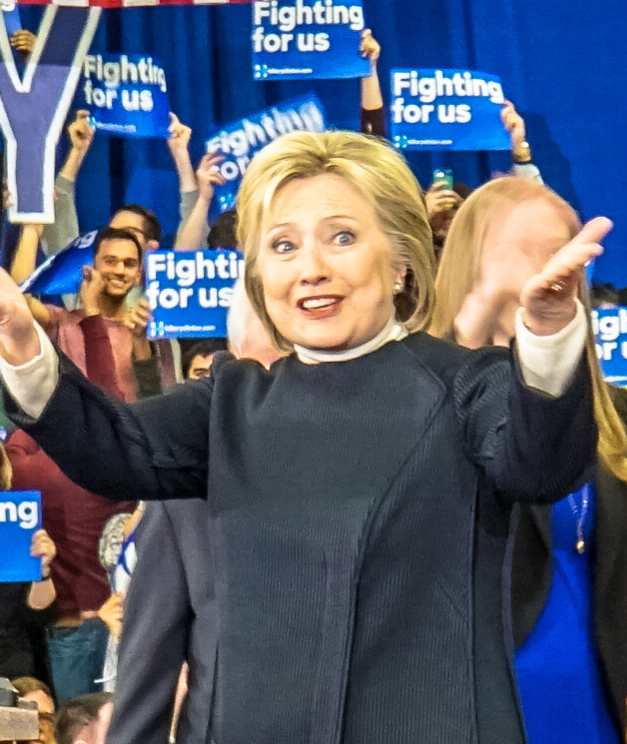


Campaign organization and message
Clinton built a large, well-funded national campaign with an extensive fundraising operation, a professional staff, and a strong digital and ground game aimed at diverse coalition groups. Her public themes emphasized experience in government, a pragmatic policy agenda on the economy, healthcare, and foreign policy, and rhetoric about expanding opportunity and protecting rights. The campaign adopted the slogan "Stronger Together" and highlighted plans to expand Affordable Care Act coverage, raise wages, and promote equal pay and paid family leave.
Primary contest and nomination
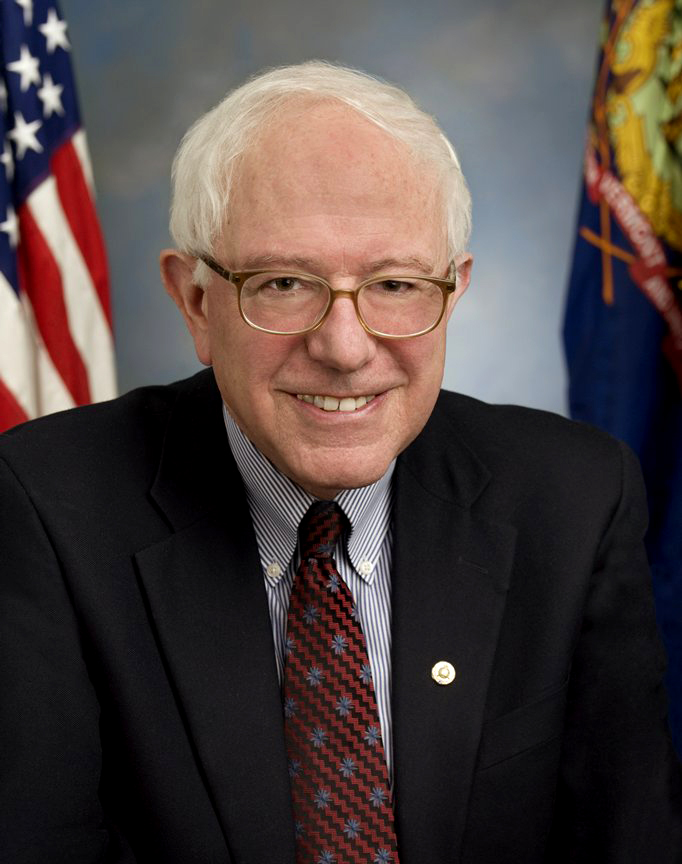
The Democratic primary was competitive and contested many months. Sanders drew large crowds and energized progressive voters with calls for sweeping economic reforms. Clinton ultimately secured the nomination and was formally nominated at the Democratic National Convention in July 2016. She selected Senator Tim Kaine as her running mate and presented a platform meant to unify the party heading into the general election.
General election, controversies, and media
The general election against Republican nominee Donald Trump featured contentious debates, intense media scrutiny, and several controversies that dominated attention. Clinton faced prolonged questions about her use of a private email server while Secretary of State and scrutiny related to the Clinton Foundation. The Democratic National Committee's internal emails were leaked publicly, and announcements by the FBI director in October 2016 regarding the email investigation added volatility late in the race. U.S. intelligence agencies later assessed that foreign actors sought to influence the election, a factor that has been widely discussed in analyses of the campaign.
Outcome and significance
On November 8, 2016, the Electoral College result favored Donald Trump, and Clinton conceded the race the following day. She won the national popular vote by nearly three million votes but lost several closely contested states in the industrial Midwest and Rust Belt that proved decisive. The campaign's outcome prompted extensive debate about turnout, campaign strategy, media coverage, and the impact of external interference.
Legacy and analysis
The Clinton 2016 campaign remains a major subject of study for its organizational strengths and perceived weaknesses. Analysts examine its ground strategy, messaging choices, the effect of late-breaking controversies, and broader shifts in American politics that influenced voter behavior. The campaign also marked a significant moment in U.S. history as it put forward the first woman to win a major party's presidential nomination, shaping conversations about gender, representation, and political reform in the years that followed.
More on the campaign | Role as Secretary of State | First Lady years | Senate service | New York ties | Primary challenger | General election opponent
Questions and answers
Q: Who announced her presidential campaign in 2016?
A: Hillary Clinton announced her presidential campaign via a YouTube video on April 12, 2015.
Q: What is Hillary Clinton known for prior to her presidential campaign in 2016?
A: Prior to her presidential campaign in 2016, Hillary Clinton served as the 67th Secretary of State, former First Lady, and former United States Senator from New York.
Q: Was the 2016 presidential campaign the first time that Hillary Clinton ran for president?
A: No, the 2016 presidential campaign was her second bid for the presidency. She was also a presidential candidate in 2008.
Q: Was Hillary Clinton the front runner for the Democratic nomination during the 2016 election?
A: Yes, Hillary Clinton was widely seen as the front runner for the Democratic nomination in the 2016 election.
Q: Did Hillary Clinton face any challenges during the 2016 Democratic nomination race?
A: Yes, she faced several challengers during the 2016 Democratic nomination race, especially Bernie Sanders.
Q: Who won the U.S. Electoral College in the 2016 presidential election?
A: Donald Trump won the U.S. Electoral College in the 2016 presidential election, defeating Hillary Clinton.
Q: Did Hillary Clinton win the 2016 presidential election?
A: No, she did not win the 2016 presidential election. She lost to Donald Trump at the U.S. Electoral College.
Related articles
Author
AlegsaOnline.com Hillary Clinton 2016 presidential campaign Leandro Alegsa
URL: https://en.alegsaonline.com/art/44209
Sources
- washingtonexaminer.com : "Hillary signs 2016 campaign HQ lease in New York"
- fec.gov : "Candidate (P00003392) Summary Reports – 2016 Cycle"
- youtube.com : "Getting Started - Hillary Clinton"
- nbcnews.com : "2016 Polls Show Clinton Leads in Key States, GOP Field Wide Open"
- nbcnews.com : "Despite Sustaining Hits, Hillary Clinton Remains 'Formidable' in 2016 NBC/WSJ Poll"
- cbsnews.com : "Is Hillary Clinton closing the door on politics?"
- reuters.com : "Hillary Clinton leaving world stage, but for how long?"
- aol.com : Brett LoGiurato - "Bernie Sanders surges ahead of Hillary Clinton in Stunning New 2016 Poll", Business Insider, August 12, 2015.
- nytimes.com : Jonathan Martin and Amy Chozickaug - "Joe Biden Wades Further Into ’16 Bid", New York Times, August 13, 2015.
- cbsnews.com : "Why Hillary Clinton will make 2016 announcement in July"
- yahoo.com : "Why Hillary Clinton will make 2016 announcement in July"
- bloomberg.com : "How Long Can Hillary Clinton Wait to Announce?"
- miamiherald.com : "Can Clinton live up to pledge to learn from 2008 mistakes?"
- bbc.com : "Hillary Clinton 'to announce 2016 presidential campaign'"
- nytimes.com : "Hillary Clinton to Announce 2016 Run for President on Sunday"