
Hey Jude — Beatles song by Paul McCartney
Overview, origins, structure, recording and legacy of the Beatles' 1968 single 'Hey Jude', written by Paul McCartney and noted for its extended sing-along coda.
Overview
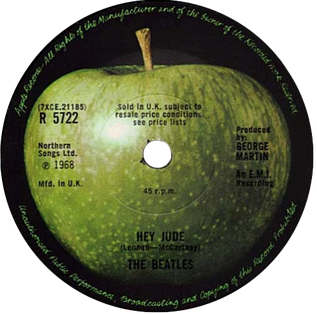
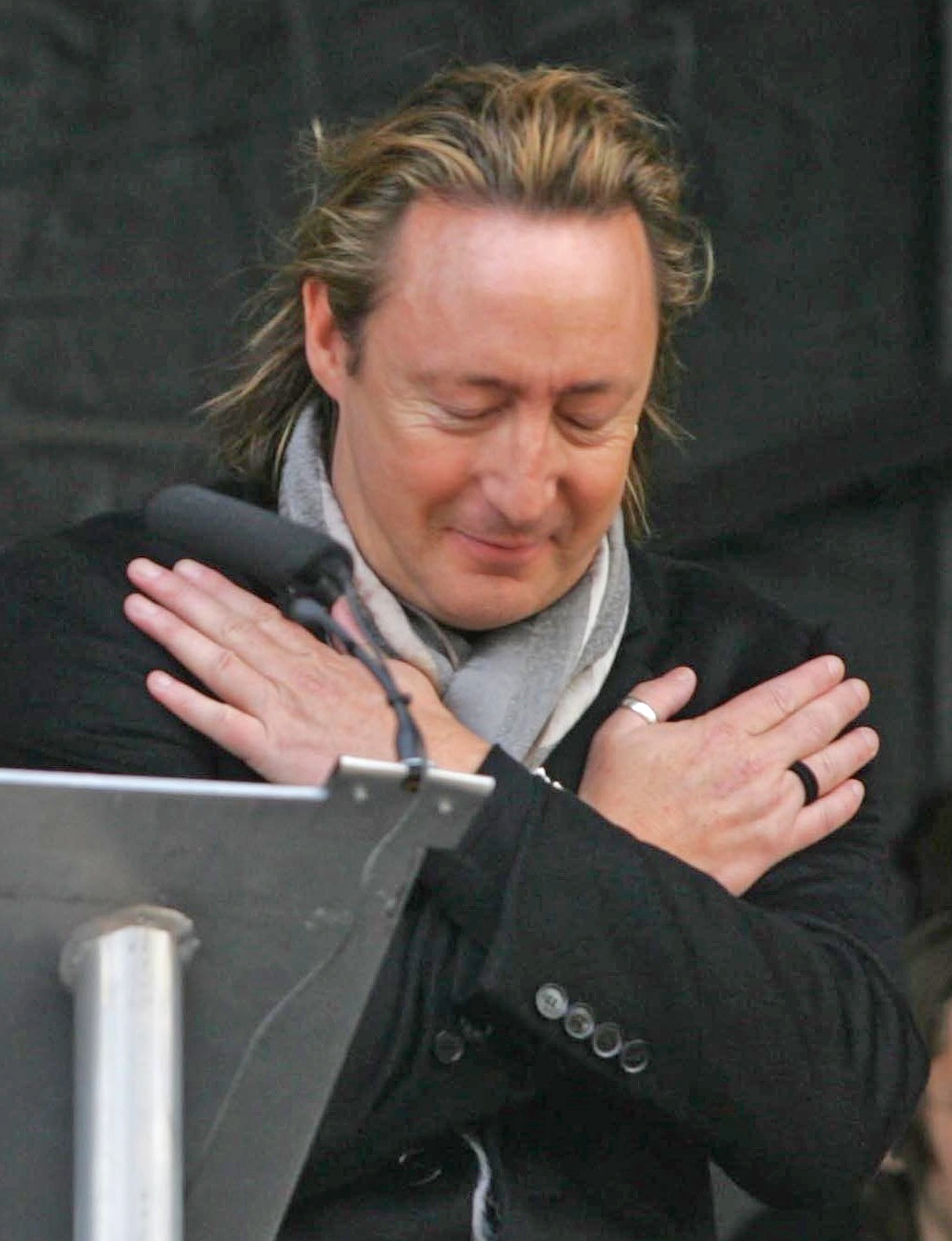
"Hey Jude" is a rock-pop ballad written by Paul McCartney and recorded by the English group The Beatles. Released as a single in August 1968, it became one of the band's most famous and enduring songs. McCartney originally composed the piece to comfort Julian Lennon, the son of John Lennon, during his parents' divorce; its working title was reportedly "Hey Jules." The finished song replaces that name with "Jude" and addresses themes of consolation and encouragement.
Image gallery
5 Images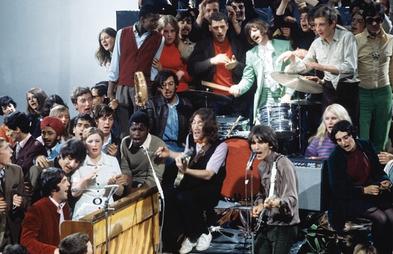


Composition and recording
The song opens with a simple piano introduction and moves through verses into a long, repeating coda. McCartney is credited as the primary writer, and the recording features the Beatles augmented by additional musicians and a large-group vocal response in the finale. The track was produced during the band's 1968 sessions under the direction of their longtime producer, and it showcases a blend of rock instrumentation and orchestral elements, with a gradual build toward the climactic sing-along ending.
Structure and lyrics
Musically, "Hey Jude" is notable for its two-part form: a verse-and-bridge section that presents the main message, followed by an extended coda in which the melody and words are repeated and layered. Lyrically the song is direct and encouraging—urging the addressee to take a sad situation and make it better. The coda contains a repeated vocal refrain built around non-lexical syllables (commonly sung as "na-na-na") and the titular phrase "hey Jude," which together create a communal, singable climax.
Release and reception
Issued as a single in 1968, the song enjoyed commercial success and widespread radio play. At the time of its release it was unusually long for a pop single, running for more than seven minutes, and it nevertheless reached high chart positions in the UK, the United States, and elsewhere. The single's B-side was the harder-edged track "Revolution," also recorded by the group during the same period.
Legacy and influence
"Hey Jude" has become a cultural touchstone: it is often performed at concerts, community events, and sing-alongs, and it appears regularly on retrospective compilations of the band's work. Musicians, choirs, and amateur groups have covered the song in many styles, and it remains a staple of popular music broadcasting. The combination of personal lyrics, a memorable melodic hook, and a participatory tag helped secure its place in the Beatles' catalogue.
Notable facts and distinctions
- Originally written for Julian Lennon—McCartney sought to offer consolation during his parents' separation; see contextual accounts from band members for more detail via related sources.
- Its lengthy coda with repeated syllables became one of the song's defining features and a model for large-group sing-alongs.
- At the time of release the single's running time made it one of the longest singles to reach the top of contemporary charts.
- For background on the band's catalogue and recording history, consult materials about The Beatles' discography and Paul McCartney's songwriting work at artist pages and archives.
As an artistic statement, "Hey Jude" illustrates how a concise message—delivered with melodic clarity and extended communal repetition—can achieve both popular appeal and lasting cultural resonance. The song continues to be cited in discussions of the Beatles' most influential recordings and the late-1960s popular-music landscape.
Background
McCartney originally wrote the song for John Lennon's then five-year-old son Julian. John Lennon had separated from his first wife Cynthia shortly before and Julian rarely saw his father. Accordingly, the title line initially read, in keeping with Julian's nickname, "Hey Jules, don't make it bad. Take a sad song and make it better". Only later did McCartney, to get around this obviousness, change the lyrics to "Hey Jude..."
The lyric line "The movement you need is on your shoulder" was originally intended by McCartney only as a preliminary lyric filler. It was only after John Lennon's encouragement that the line remained in the published version.
Harmonics
The song uses major cadence chords in the key of F in the verse. In the bridge, the subdominant parallel is added. In addition, the tone of the bass instrument, which is often not on the root of the respective triad, is a feature of the piece.
In the approximately four-minute coda at the end of the song, the non-conductoral lowered seventh degree in major is also used.
Related articles
Author
AlegsaOnline.com Hey Jude — Beatles song by Paul McCartney Leandro Alegsa
URL: https://en.alegsaonline.com/art/44006