
Hereward the Wake: Anglo‑Saxon Leader and Fenland Rebel
Hereward the Wake was an Anglo‑Saxon leader associated with popular resistance to Norman rule after 1066, famed for his activity around the Isle of Ely and the Fens and later celebrated in legend and literature.
Overview
Hereward the Wake is a semi‑legendary Anglo‑Saxon figure remembered as a leader of resistance to Norman rule after the Conquest of 1066. Contemporary and later medieval accounts portray him as a guerrilla commander based in the marshes and islands of the Fens. He is particularly associated with the Isle of Ely and the wider region of East Anglia, where small bands of fugitives and dispossessed men resisted Norman authority.
Image gallery
4 Images


Life and origins
Details of Hereward's origins and family are uncertain and differ between sources. Some medieval narratives say he was exiled as a youth during the reign of Edward the Confessor; others link him to local noble families. The sobriquet "the Wake" may mean "watchful" in Old English or later became treated as a surname by descendants and chroniclers. His active career is usually placed in the years immediately after 1066.
Resistance in the Fens
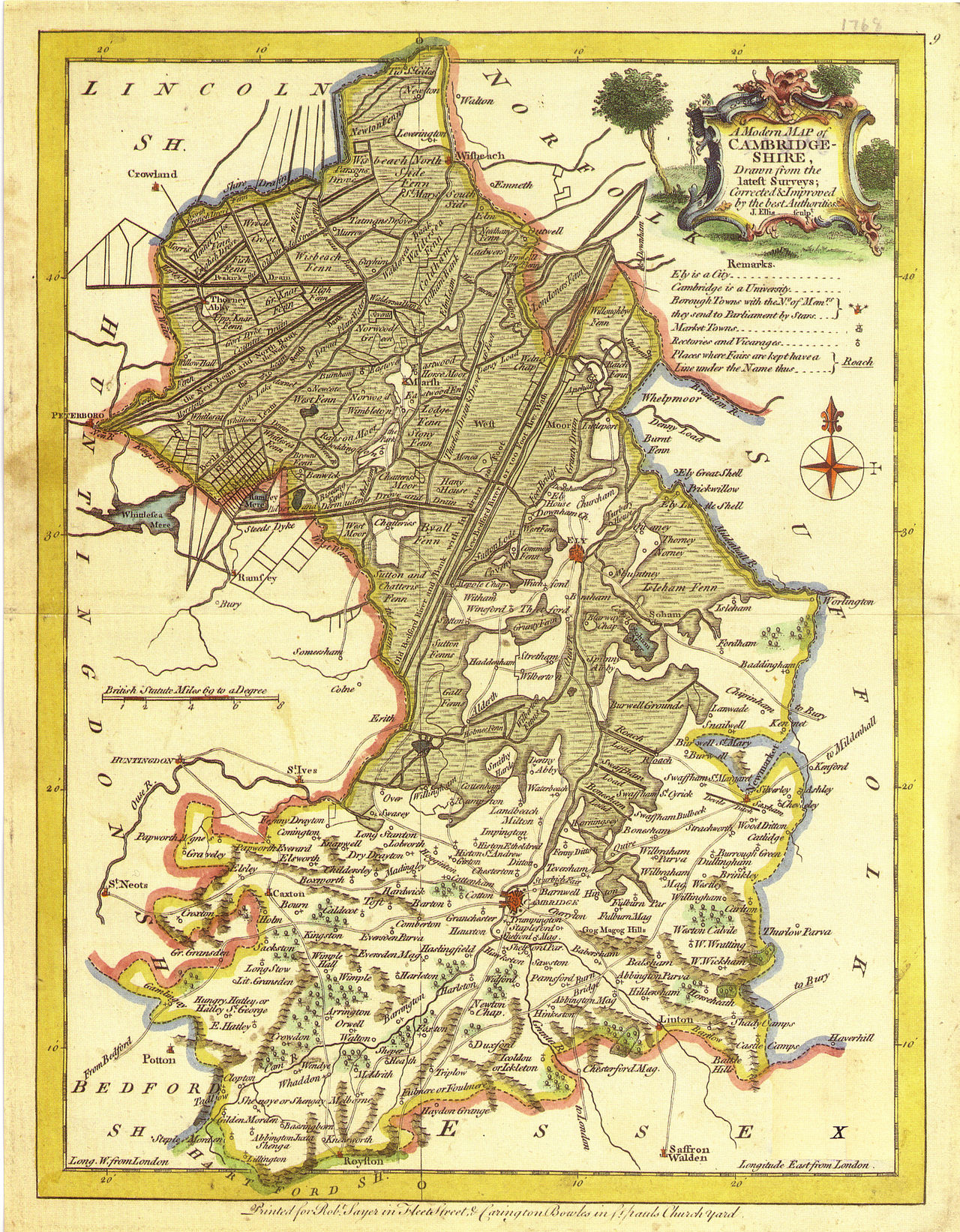
Later accounts describe Hereward returning from exile with companions and fighting against Norman garrisons, using the difficult terrain of North Cambridgeshire, Southern Lincolnshire and West Norfolk as a refuge. He is said to have harried roads and settlements in North Cambridgeshire, Southern Lincolnshire and West Norfolk, mounted raids, and helped assemble local opposition to William the Conqueror. The most famous episode in the traditional story is the defense of Ely, where marshes and causeways made a direct siege difficult and allowed a protracted stand.
Sources and historicity
The surviving picture of Hereward comes mainly from the medieval narrative known as the Gesta Herewardi, various chronicles, and later romantic retellings. These sources mix fact and folklore; historians treat many details cautiously. Some events — a Fenland uprising and an Ely episode in the early 1070s — fit wider evidence of unrest after the Conquest, but precise actions and dates attributed to Hereward remain debated.
Legacy and cultural significance
From the late Middle Ages onward, and especially during the 19th‑century Victorian revival of medieval subjects, Hereward became a national symbol of English resistance and local liberty. He appears in chronicles, ballads, and novels; nineteenth‑century writers helped fix a heroic narrative that emphasizes daring raids and bold defiance. Today he is studied both as a historical actor in the tumult of the Conquest and as a figure of legend whose story reflects later generations' interests.
Notable facts
- Hereward's life blends recorded unrest in the Fens with later legendary material.
- The Isle of Ely's marshy landscape was key to any prolonged resistance.
- Interpretations of his epithet and family connections vary across sources.
Questions and answers
Q: Who was Hereward the Wake?
A: Hereward the Wake was an Anglo-Saxon nobleman who resisted William the Conqueror.
Q: Where was Hereward the Wake's base located?
A: Hereward the Wake's base was the Isle of Ely in East Anglia.
Q: What is the legend about Hereward the Wake?
A: According to legend, Hereward the Wake roamed the Fens, covering North Cambridgeshire, Southern Lincolnshire, and West Norfolk, leading popular opposition to William the Conqueror.
Q: Why was Hereward the Wake exiled from England?
A: Hereward the Wake was exiled from England by Edward the Confessor around 1060, although the exact date is unknown. Some sources point to his own father as requesting the exile, as he was a troublemaker.
Q: What was Hereward the Wake's age when he was exiled from England?
A: Hereward the Wake was around 14 or 18 years old when he was exiled from England by Edward the Confessor.
Q: Where did Hereward the Wake lead the popular opposition against William the Conqueror?
A: Hereward the Wake led popular opposition against William the Conqueror in the Fens, covering North Cambridgeshire, Southern Lincolnshire, and West Norfolk.
Q: What did Hereward the Wake do to resist William the Conqueror?
A: Hereward the Wake resisted William the Conqueror as he led popular opposition in the Fens.
Related articles
Author
AlegsaOnline.com Hereward the Wake: Anglo‑Saxon Leader and Fenland Rebel Leandro Alegsa
URL: https://en.alegsaonline.com/art/43763