
Hérault (river) — river of southern France
The Hérault is a river in southern France rising in the Cévennes and flowing to the Mediterranean near Agde. It shaped local landscapes, supports biodiversity and recreation, and gave its name to the Hérault department.
Overview
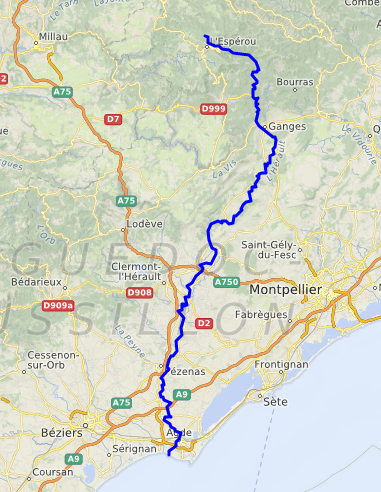
The Hérault is a river in southern France that runs from upland springs to the sea. Its source lies in the Cévennes massif and it reaches the Mediterranean Sea on the region's coast near Agde. The river is sometimes referred to by its Occitan name, Erau, and its general location is recorded at map coordinates. The administrative department of Hérault takes its name from this watercourse; the name is also used locally to identify landscapes and heritage.
Image gallery
7 Images


Geography and key features
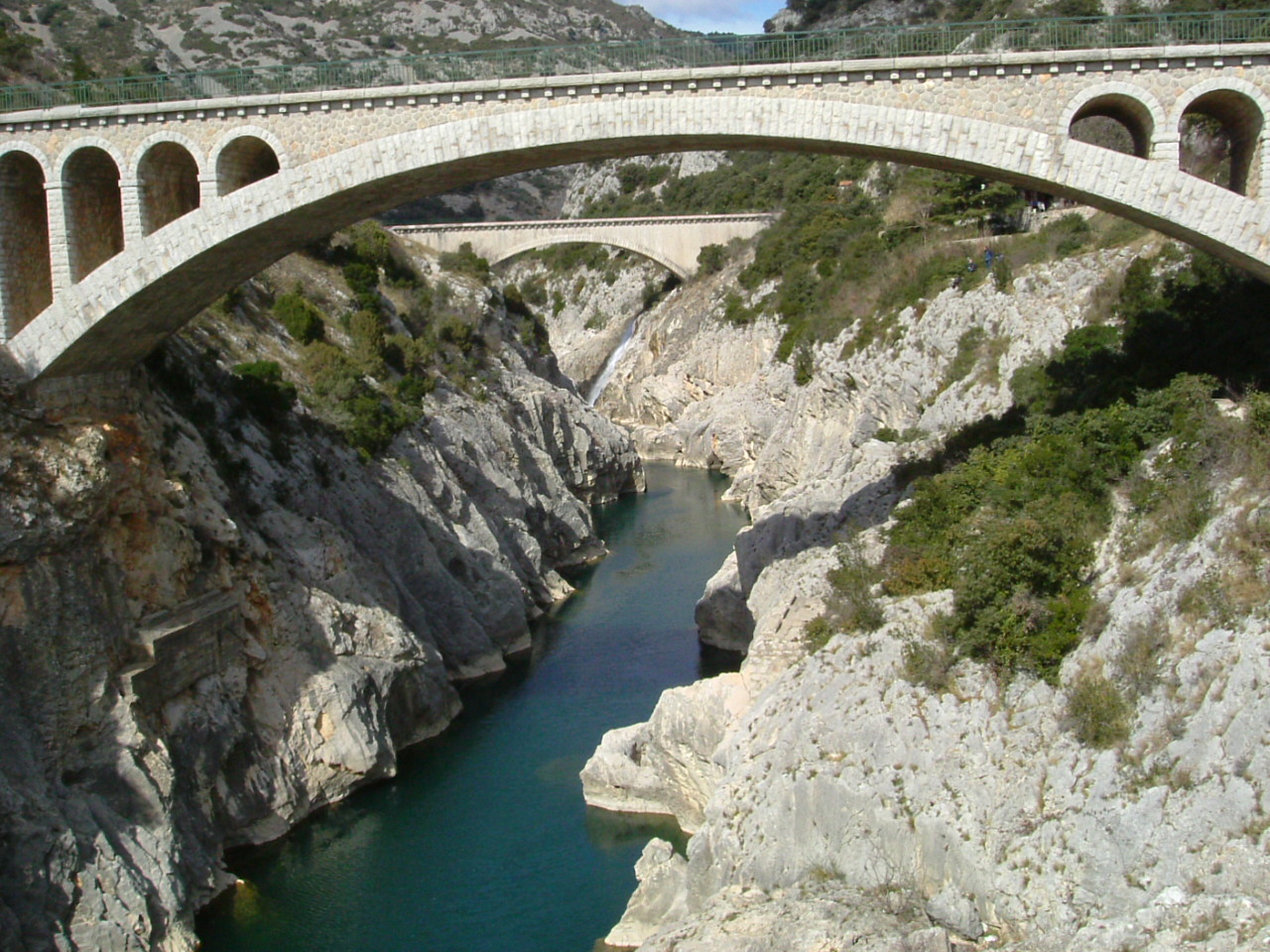
The Hérault drains a catchment that includes mountain slopes, limestone plateaus and coastal plains. Along its course it cuts dramatic gorges and karst landscapes that are popular with walkers and nature lovers. The river valley contains steep cliffs, narrow defiles and sections of calmer meandering water as it approaches the coast. Several towns and villages developed beside the river; the name Hérault is associated with well-known sites along the watercourse.
History and human use
For centuries the Hérault has been a resource for local communities. It powered mills, sustained small-scale irrigation and supported fishing and transport in earlier periods. Over time its waters have been managed by weirs and small reservoirs to moderate flow and to supply agriculture and towns. The river corridor also preserves medieval bridges and historic settlements that reflect long-standing human relationships with the water.
Ecology, recreation and conservation
The varying habitats along the Hérault—stream channels, wetlands and riparian woodlands—support diverse plant and animal life. Recreational activities such as canoeing, fishing and hiking through the gorges are common and draw visitors to the region. Conservation efforts focus on maintaining water quality, protecting riverine habitats and balancing tourism with ecological sensitivity.
Notable facts
- The river connects upland mountain environments with the Mediterranean coast, creating varied scenery and microclimates.
- Historic sites, including medieval bridges and villages, line parts of the river valley and attract cultural tourism.
- The Hérault gives its name to local administrative and geographic identities and appears frequently in regional place names.
Questions and answers
Q: What are the coordinates of the Hérault river?
A: The coordinates of the Hérault river are 43°16′57″N 3°26′38″E / 43.28250°N 3.44389°E / 43.28250; 3.44389.
Q: Where is the Hérault river located?
A: The Hérault river is located in southern France.
Q: Where does the Hérault river flow into?
A: The Hérault river flows into the Mediterranean Sea.
Q: What is the name of the department named after the Hérault river?
A: The Hérault department is named after the Hérault river.
Q: What is the meaning of "Erau" in Occitan language referring to the Hérault river?
A: "Erau" in Occitan language refers to the Hérault river.
Q: Does the Hérault river flow in the northern or southern region of France?
A: The Hérault river flows in the southern region of France.
Q: What type of water body does the Hérault river flow into?
A: The Hérault river flows into the Mediterranean Sea.
Related articles
Author
AlegsaOnline.com Hérault (river) — river of southern France Leandro Alegsa
URL: https://en.alegsaonline.com/art/43678
Sources
- services.sandre.eaufrance.fr : "L'Hérault (Y2--0200)"
- hydro.eaufrance.fr : "L'Hérault à Agde [Bassin Rond]"
- geoportail.gouv.fr : "Source du l'Hérault"
- geoportail.gouv.fr : "Confluence du l'Hérault"