
Henri de Toulouse-Lautrec: Painter and Poster Artist of Montmartre
French Post-Impressionist (1864–1901) celebrated for candid paintings and lithographic posters documenting Parisian nightlife, cabarets, dancers and the margins of fin-de-siècle society.
Overview
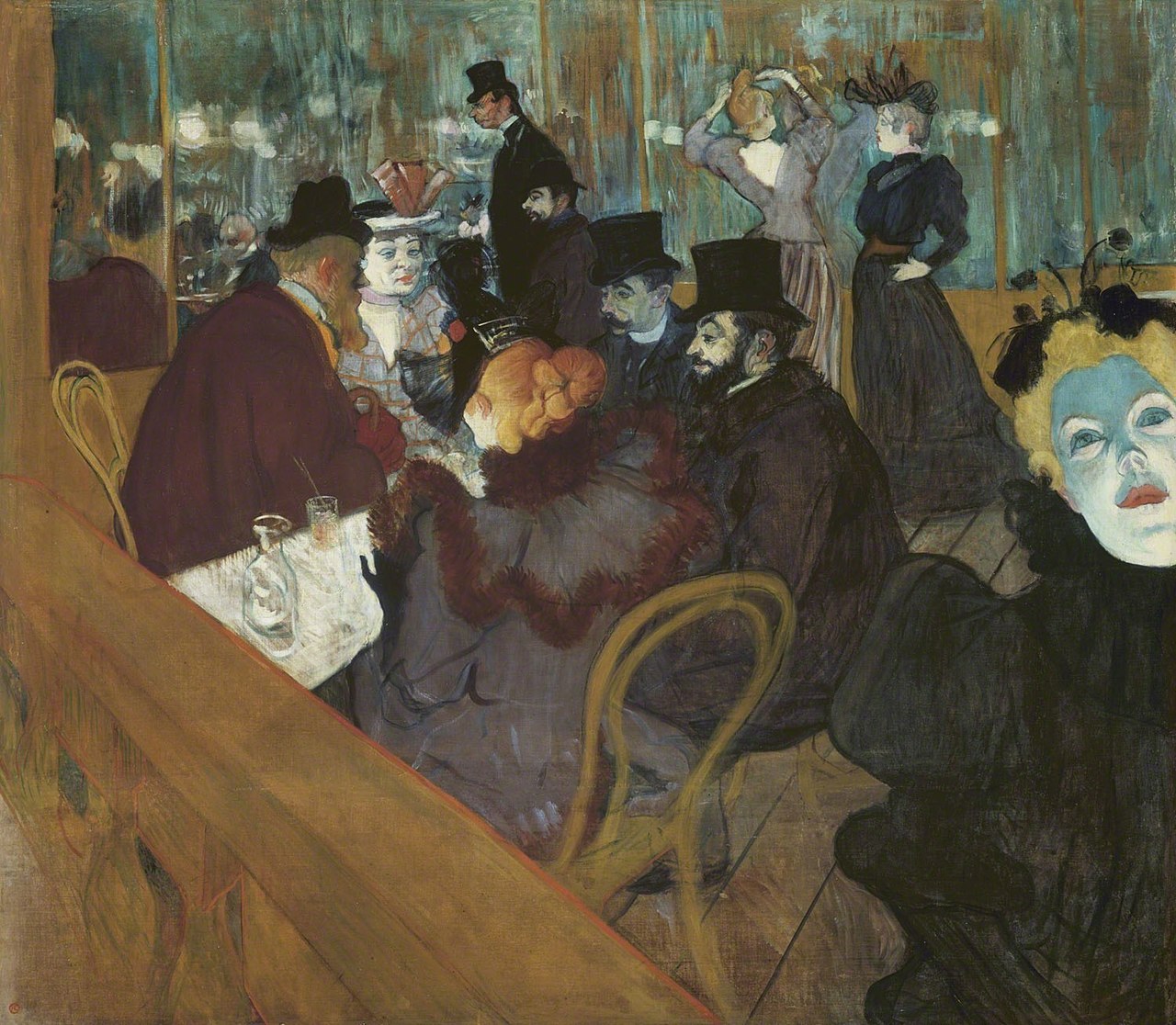
Henri de Toulouse-Lautrec (1864–1901) was a French artist best known for vividly rendered scenes of late 19th-century Paris. Born into an aristocratic family, he rejected provincial expectations and made the entertainment districts of Montmartre his primary subject. He recorded the city’s public entertainments and private moments with a mixture of humor, sympathy and sharp observation.
Image gallery
10 Images




Early life and background
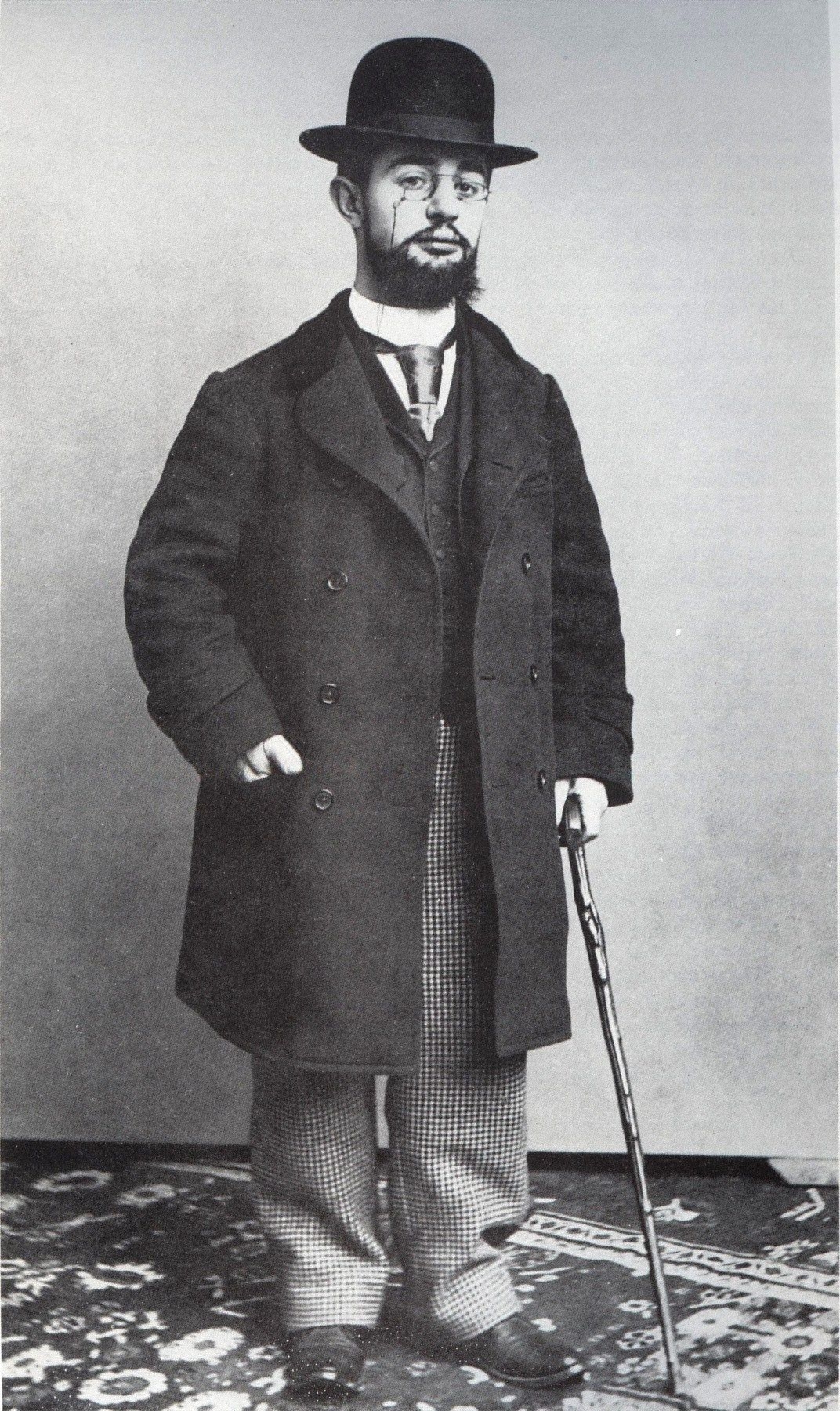
Toulouse-Lautrec came from an old noble family and received an education typical for his class. He suffered serious injuries in adolescence that affected his growth and health. Biographers note that his stature and physical fragility shaped both his social world and his empathetic approach to subjects who lived on the margins of respectable society.
Training and artistic development
After early lessons he studied with academic painters before turning to modern life as his main theme. He developed a remarkable facility for drawing, producing quick studies, portraits and finished works in oil, watercolor, ink and pastel. Influences ranged from Japanese prints to contemporary caricature; he combined careful observation with an economy of line that gave his work immediacy and psychological depth.
Posters and printmaking
Though associated with the Post-Impressionist era, Toulouse-Lautrec is perhaps best known for his lithographic posters. These colorful prints promoted cabarets, cafés-concerts and individual performers and helped elevate commercial advertising into a modern graphic art. His posters, using bold outlines and flattened color, became models for later generations of designers and helped advertise popular entertainments efficiently and memorably.
Subjects and social circle
He chronicled an array of performers—dancers, singers, actors—and the everyday workers and women who populated cafes, brothels and stages. He maintained friendships with many performers and often painted them from life, producing portraits of dancers and notable entertainers. His images document the world of popular entertainment without moralizing, revealing posture, gesture and atmosphere.
Notable figures and places
- Montmartre’s cabarets and music halls, where he worked for decades.
- Portraits and posters of performers and public figures who frequented the nightlife he observed.
- Large interior scenes that combine crowd views with individual character studies.
Technique and themes
Toulouse-Lautrec favored candidness over idealization. His working method included rapid sketches from life and carefully composed lithographs. He exploited the visual language of popular prints to render movement, costume and social interaction, transforming ephemeral moments into compelling graphic statements.
Personal life and health
Prone to heavy drinking in later years, Toulouse-Lautrec’s health declined before his death at thirty-six. Contemporaries and later writers have linked his early injuries and a probable congenital condition to his lifelong frailty. Despite personal difficulties, he remained productive until his final years.
Legacy and collections
His work has had a lasting impact on poster design, illustration and the visual portrayal of modern urban life. Major holdings of his work can be seen in museums and specialized collections; the city of Albi preserves a significant collection dedicated to his art, and important examples are held in several national and international museums. His compositions and graphic approach continue to be taught and exhibited as key documents of fin-de-siècle culture.
Further reading and resources
For introductions to his life and reproductions of his work, consult museum catalogues and scholarly surveys of late 19th-century French art. Many museums and online collections offer accessible overviews and images; look for exhibitions and institutional pages that focus on his posters and prints as well as his paintings and drawings. He also had close relations with performers and actors of his era, and his art remains a primary source for the study of popular performance in Paris.
Reproductions of his printed posters and published monographs are widely available and provide useful contexts for his creative practice and the social worlds he depicted. For a sense of the milieu he chronicled, explore histories of Parisian entertainment and contemporary critical accounts.
Selected topics: graphic innovation, depiction of modern leisure, portraiture of performers, influence on commercial art.
Questions and answers
Q: Who was Henri de Toulouse-Lautrec?
A: Henri de Toulouse-Lautrec was a French painter of the Post-Impressionist period who was born into a noble family, but lived among the actors, dancers, and prostitutes of Paris.
Q: What is Henri de Toulouse-Lautrec famous for?
A: Henri de Toulouse-Lautrec is famous for painting the lives of people like actors, dancers, and prostitutes in Paris, as well as many portraits. He was also expert at drawing and made many printed posters to advertise entertainments.
Q: What was La blanchisseuse?
A: La blanchisseuse was an early painting by Henri de Toulouse-Lautrec of a young laundress.
Q: How much did La blanchisseuse sell for at Christie's auction house?
A: La blanchisseuse sold for $22.4 million U.S. at Christie's auction house in 2005, setting a new record.
Q: Where did Henri de Toulouse-Lautrec live most of his life?
A: Henri de Toulouse-Lautrec lived most of his life among the actors, dancers, and prostitutes of Paris.
Q: What period did Toulouse-Lautrec's artwork belong to?
A: Toulouse-Lautrec's artwork belonged to the Post-Impressionist period.
Q: What was Toulouse-Lautrec's background?
A: Toulouse-Lautrec was born into a noble family.
Related articles
Author
AlegsaOnline.com Henri de Toulouse-Lautrec: Painter and Poster Artist of Montmartre Leandro Alegsa
URL: https://en.alegsaonline.com/art/43532
Sources
- nysun.com : The New York Sun 11/02/2005
- entertainment.timesonline.co.uk : "Why Lautrec was a giant"
- query.nytimes.com : "What Ailed Toulouse-Lautrec? Scientists Zero In on a Key Gene"
- imdb.com : www.imdb.com