
Hellenistic art: development, characteristics, and legacy
Art produced across the Mediterranean after Alexander the Great; notable for realism, dramatic expression, diverse subjects, and lasting influence on Roman and later Western art.
Overview
Hellenistic art refers to the visual arts produced in the Greek-speaking world in the centuries following the death of Alexander the Great. Scholars commonly date the period from the late fourth century BCE (after 323 BCE) through the first century BCE, when Roman power fundamentally reshaped the eastern Mediterranean. The label covers sculpture, painting, mosaic, architecture, metalwork and small-scale objects made for courts, cities and private patrons across Greece, Asia Minor, Egypt and the wider Mediterranean.
Image gallery
10 Images




Distinctive characteristics
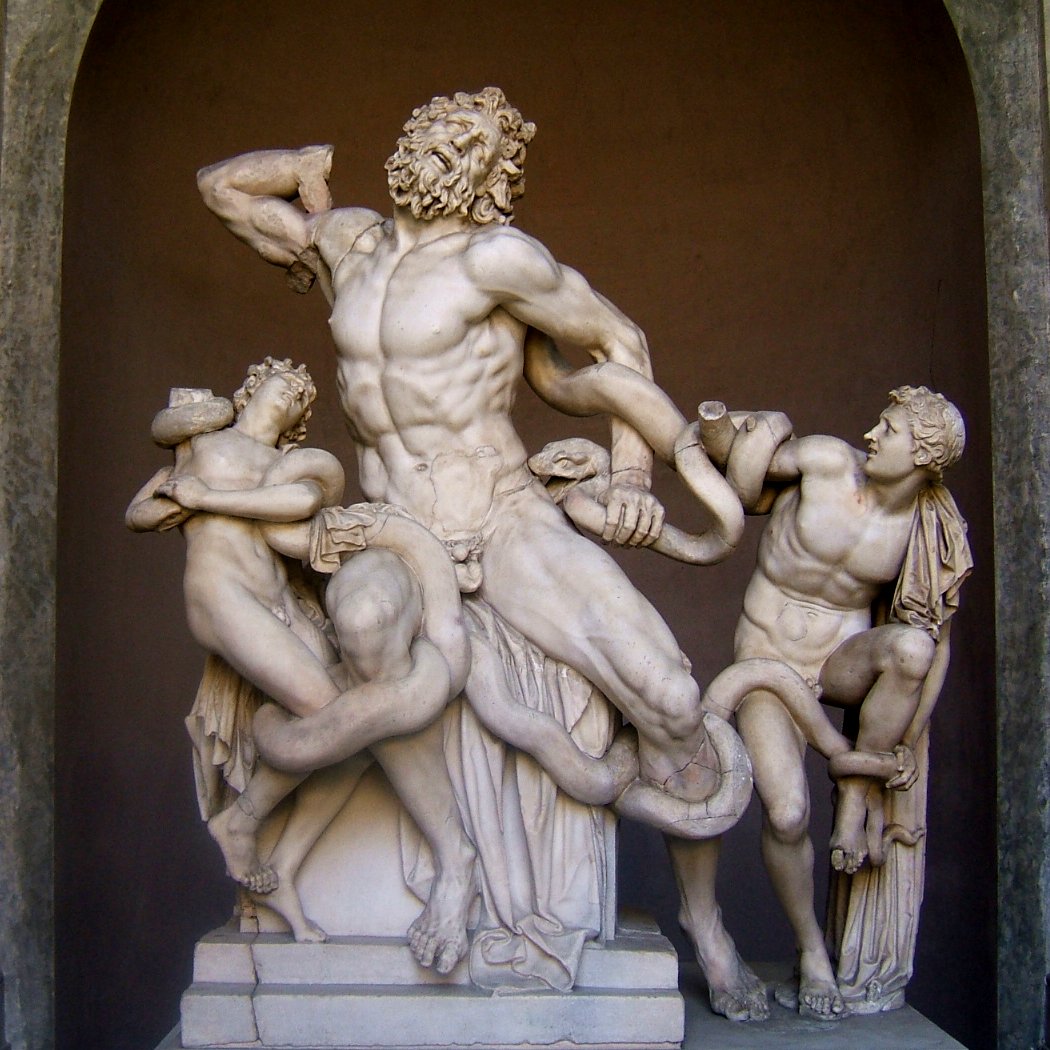
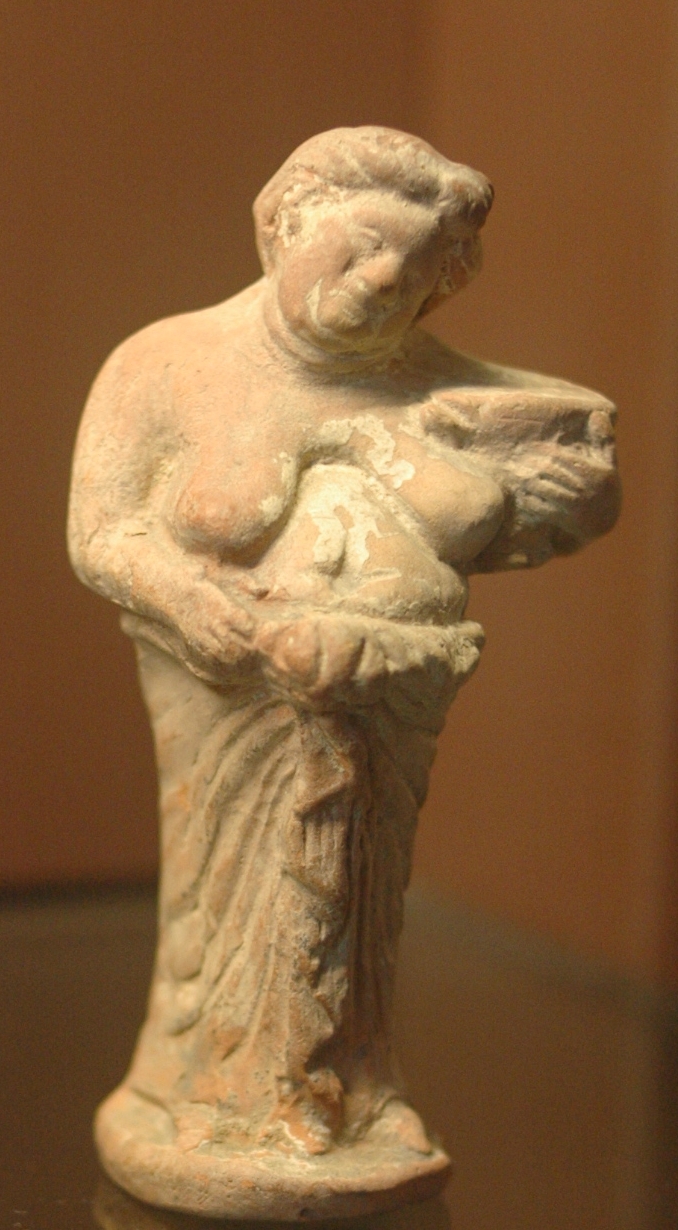
Artists of the Hellenistic age expanded earlier Classical ideals in three main directions: greater naturalism, heightened emotion, and a wider range of subjects. Sculptures and paintings often show dynamic movement, dramatic poses, and expressive faces that convey pain, ecstasy, or introspection. Realistic details—age lines, individual physiognomy, and textured hair or drapery—appear alongside theatrical composition. Subjects broadened beyond gods and ideal athletes to include portraits of rulers, children, elderly people, beggars, and ethnographic types.
Materials, techniques and media
Most surviving Hellenistic works are marble or bronze originals or Roman copies. Artists also produced terracotta figurines, luxury metalwork, and elaborate mosaics set into floors and walls. Painting—now known mainly through tomb frescoes and literary descriptions—demonstrates advanced use of perspective, foreshortening and color gradation. The period shows sophisticated workshop practice and increased patronage by Hellenistic monarchs and wealthy urban elites.
Major centers, artists and famous works
Important artistic centers included Alexandria, Pergamon, Rhodes and mainland Greek cities. Royal courts competed for prestige, commissioning monumental altars and public statuary. Several celebrated works illustrate Hellenistic aims: the vigorous composition of the sculptural tradition, the taut agony of the Winged Victory of Samothrace, the sensuous form of the Venus de Milo, and the pathos-rich group known as the Laocoön. Ancient writers gave mixed judgments—Pliny the Elder, for example, famously compared later trends unfavorably to earlier ideals in his histories (Pliny)—but modern archaeology and study have re-evaluated the era as inventive and technically accomplished.
Uses, social context and legacy
Hellenistic art served political and religious functions and also private, domestic ones. Royal monuments broadcast dynastic authority; portraiture stabilized an image of rulers and benefactors; votive and funerary art expressed piety and social status. The dramatic realism of Hellenistic sculpture exerted a powerful influence on Roman visual culture: Romans adapted its forms and motifs in public monuments, portraiture and decorative arts, helping to transmit Hellenistic aesthetics into later European traditions.
Archaeology and modern reception
Discoveries from the 19th century onward—royal tombs, temple precincts and urban remains at sites across Greece and Anatolia—have greatly expanded our understanding. Excavations and museum collections have allowed scholars to reassess earlier opinions that privileged Classical art above Hellenistic works. Today Hellenistic art is valued for its technical virtuosity, variety of expression, and its role in bridging Classical Greek and Roman visual cultures.
- See sculptural innovations and comparisons: Hellenistic sculpture.
- Read historical perspectives from ancient authors: Pliny and later commentators.
- Examine famous examples: Venus de Milo, Winged Victory.
Questions and answers
Q: What is the art of the Hellenistic time?
A: The art of the Hellenistic time (from 400 B.C. to the end of the first century B.C.) in Greece) includes sculpture and painting, among other things.
Q: Who said that the art from this period was not good?
A: Pliny the Elder talked about Greek sculpture from classical times (500 B.C. - 323 B.C., before Hellenistic times) and then said Cessavit deinde ars ("then art stopped").
Q: What are some famous works of art from this period?
A: Some famous works of art from this period include Laocoön, Venus de Milo, and Winged Victory of Samothrace.
Q: How have people's views on Hellenistic artwork changed over time?
A: People have recently looked more closely at writing about the Hellenistic time and discovered artwork from this era at Vergina and other places, leading them to recognize that it is very good art indeed.
Q: When did Hellenistic Art begin?
A: The Hellenistic Art began around 400 BC and lasted until around 100 BC.
Q: Where has artwork from this period been found?
A: Artwork from this period has been found at Vergina as well as other places throughout Greece.
Q: What did Pliny say about Greek sculpture during classical times?
A:Pliny said Cessavit deinde ars ("then art stopped") when talking about Greek sculpture during classical times (500 B.C.-323 B.C.).
Related articles
Author
AlegsaOnline.com Hellenistic art: development, characteristics, and legacy Leandro Alegsa
URL: https://en.alegsaonline.com/art/43387