
Heat lamp: function, types, uses, and safety
A heat lamp produces directed radiant heat—commonly infrared—for warming, drying, or therapeutic uses. Covers types, applications in animal care and industry, installation, and safety considerations.
Overview
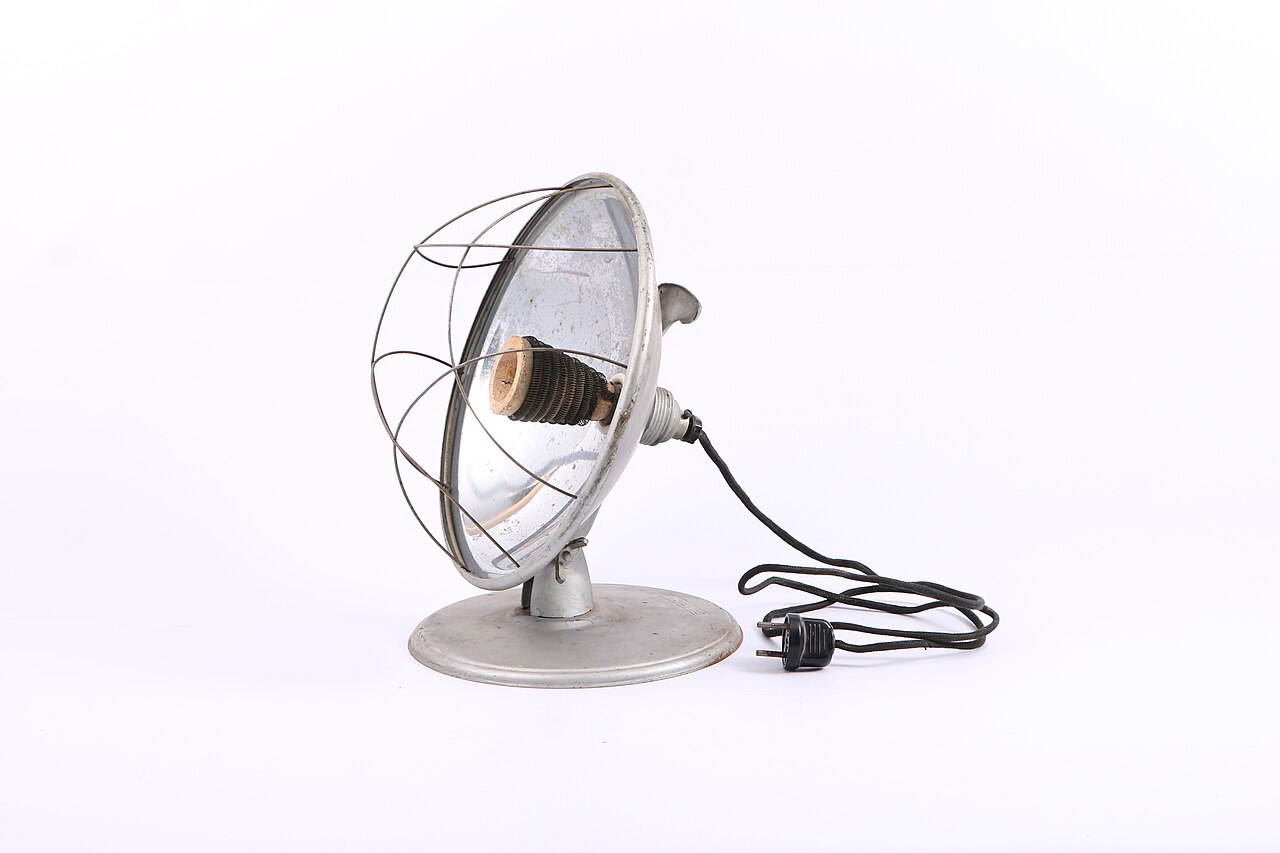
A heat lamp is a lighting device designed primarily to emit heat rather than visible illumination. Many heat lamps concentrate energy in the infrared portion of the electromagnetic spectrum, which is experienced as radiant warmth when it strikes surfaces. Traditional incandescent bulbs, quartz halogen units and specialized infrared elements are all used to create heat lamps; some models intentionally reduce visible light by using colored or coated glass so more energy is delivered as heat.
Image gallery
9 Images




Common types and components
Heat lamps differ by the emitter and housing. Typical varieties include:
- Incandescent red lamps: clear or red-coated bulbs that emit both light and heat and are common in animal brooders.
- Infrared quartz and ceramic emitters: produce strong radiant heat with little or no visible glow; ceramic emitters are often used where light is undesirable.
- Halogen reflectors: compact, high-intensity units with built-in reflectors for directional heating.
Key parts are the heat-emitting element (filament, quartz tube, or ceramic), a reflective housing to direct output, a protective guard or lens, and an electrical connection or fixture with mounting hardware.
Uses and applications
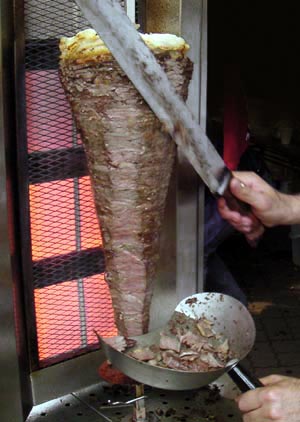
Heat lamps serve a broad range of purposes. In animal husbandry they provide warmth to chicks, piglets and other neonates. In food service and retail they keep prepared foods at serving temperature. Trades and industry use heat lamps for drying paints and adhesives, speeding curing processes, or thawing materials. In therapeutic settings, infrared lamps are used for localized warmth in physical therapy and sports care, though clinical use should follow professional guidance.
Installation and selection
Choosing a heat lamp involves matching emitter type, power rating and mounting to the task. Consider whether visible light is acceptable, how much surface area needs warming, and whether a thermostat or dimmer is required for control. Fixtures often include reflectors to improve efficiency and guards to reduce contact with hot surfaces. Many installations pair a heat lamp with a temperature sensor, timer or adjustable mount to maintain consistent conditions.
Safety and precautions
Heat lamps present fire and burn risks if used improperly. Common safety measures include keeping flammable materials away from the lamp, using clamps or secure mounts to prevent tipping, installing guards to limit accidental touch, and employing thermostatic controls to avoid overheating. Electrical connections should be suitable for the lamp's power and inspected for wear. When used around animals or in commercial kitchens, follow manufacturer instructions and local safety codes.
History and notable facts
The concept of radiant heat from light traces back to discoveries about the invisible infrared region of sunlight. Modern heat lamps evolved from incandescent lighting technology into specialized emitters optimized for radiant heating. Because infrared wavelengths penetrate surfaces differently than convective heat, heat lamps are effective for targeted warming and drying tasks where rapid, localized heat is required. For more technical information on the infrared spectrum and lamp selection, see infrared.
Questions and answers
Q: What is a heat lamp?
A: A heat lamp is a type of lamp that produces heat as its primary purpose.
Q: What type of light does a heat lamp commonly use?
A: A heat lamp commonly uses infrared light, but it can also use white light incandescent lightbulbs.
Q: Why is the glass of the light bulb sometimes colored?
A: The glass of the light bulb is sometimes colored to filter out yellow and higher frequency light, allowing the infrared light to pass through which produces most of the heat.
Q: What are some uses for heat lamps for humans?
A: Heat lamps can be used by humans to keep warm or to warm a part of the body that is injured and needs gentle heat.
Q: What are some uses for heat lamps for animals?
A: Heat lamps are frequently used to keep baby chickens, piglets or other baby animals warm.
Q: How do heat lamps produce heat?
A: Heat lamps produce heat through the production of infrared light.
Q: What type of light is best for heat lamps?
A: Infrared light is the best type of light for producing heat using a heat lamp.
Related articles
Author
AlegsaOnline.com Heat lamp: function, types, uses, and safety Leandro Alegsa
URL: https://en.alegsaonline.com/art/43102