
Head coach: role, duties, and variations in team sports
A head coach leads and develops a team in competitive sports. This article explains duties, staff structure, historical development, variations in terminology and typical responsibilities across different sports.
Overview
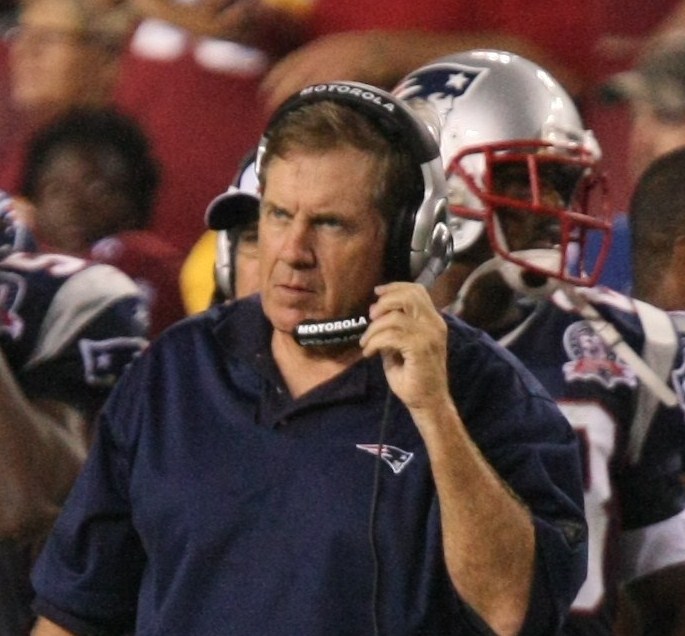
A head coach is the primary leader responsible for preparing and directing a team in competitive sports. They set training plans, choose tactics, manage players, and often represent the team publicly. In professional and amateur contexts the head coach typically holds the highest technical authority over on-field performance and is the central figure in day-to-day sporting decisions. Their role blends instruction, strategy, personnel management and often public relations.
Image gallery
7 Images


Responsibilities and staff structure
While day-to-day duties vary with level and sport, common responsibilities include planning practices, selecting starting line-ups, making tactical adjustments during competition, developing individual players, and coordinating conditioning and medical support. Head coaches usually work with a team of subordinate coaches and specialists who report to them.
- Assistant coaches: Specialists who oversee offense, defense or particular skill areas.
- Position coaches: Coaches assigned to teach and refine skills for a single position group; for example, a coach for the quarterbacks in American football.
- Support staff: Athletic trainers, strength and conditioning coaches, analysts and sometimes psychologists or nutritionists.
Assistant coaches may focus on a single element of play, such as an offensive coordinator or a defensive backs coach, while the head coach ensures cohesion and consistent philosophy across the whole program. The head coach often holds hiring authority for these roles and is accountable to owners, directors or athletic departments.
Terminology and variations
Different sports and regions use different titles for the senior coaching role. In association football (soccer) and many other countries the term "manager" is common and can imply broader responsibility for transfers and club affairs; in American college sports and professional leagues the title "head coach" is standard. In baseball some organizations use the word baseball manager to describe the on-field leader. Other sports use regional names—Australian rules competitions may use the term senior coach—while American football and basketball typically refer to a head coach and head coach, respectively. A few sports combine responsibilities so managers and head coaches share duties across team operations and strategy.
History and development
The role of the head coach evolved as organized sport professionalized. Early teams often lacked formal coaches; as tactics, training methods and competition intensified, specialist coaches emerged and hierarchies formed. With the growth of leagues and media coverage, head coaches gained prominence and sometimes wider managerial or executive influence. Differences in structure developed between sports: for example, the person called a manager in some codes historically managed both on-field tactics and player recruitment, while in others recruitment and contracts remain the remit of directors or general managers.
Practical examples and selection
At the amateur level a head coach may be a volunteer or part-time instructor; at the professional level the role is full time and often comes with performance-based compensation and public scrutiny. Coaches are selected for their tactical knowledge, leadership skills, communication, track record developing talent, and ability to manage pressure. They frequently move between roles as assistants, coordinators and head coaches during their careers, and they collaborate with front offices, scouts and medical teams to align sporting objectives.
Notable distinctions and considerations
- In some sports the head coach’s remit extends beyond coaching into recruitment, transfers or roster construction; in others these are handled separately by general managers or sporting directors.
- Specialization within coaching staffs means a head coach must be adept at delegation and integrating diverse expertise, from analytics to physical preparation.
- Titles and responsibilities are influenced by culture and competition structure: for example, soccer systems in some countries emphasize the manager model, while North American leagues more commonly divide coaching and front-office functions.
Assistant roles can be highly specific: a position coach may work solely on technique for a given role, while coordinators design large-scale schemes for offense or defense. The head coach synthesizes these inputs and makes final decisions that affect team identity, playing style and match outcomes.
Readers seeking more detailed procedural or historical material on coaching in particular sports can consult sport-specific sources and governing bodies for variations in hiring practices, certification and statutory responsibilities, such as coaching licenses and league regulations. For broader context see introductory materials on coaching structures in coaching frameworks and sport governance.
Questions and answers
Q: What is a head coach?
A: A head coach is a person who trains and develops men and women who play sports.
Q: How does the head coach's role differ from other coaches on the team?
A: The head coach usually holds a more public profile and is paid more than other coaches on the team.
Q: What is a manager in the context of sports?
A: In some sports such as soccer and baseball, the head coach is called a manager.
Q: What is a senior coach in the context of sports?
A: In other sports, such as Australian rules football, the head coach is called a senior coach.
Q: Which sports use the phrase "head coach"?
A: Some sports that use the phrase "head coach" include American football and basketball.
Q: Who are assistant coaches?
A: Assistant coaches are other coaches that report to the head coach and focus on one part of the team rather than the whole team.
Q: What is an example of a position an assistant coach might focus on?
A: An assistant coach might focus on offensive positions or defensive positions, or even just one position on the team such as a coach just for the quarterbacks in American football.
Related articles
Author
AlegsaOnline.com Head coach: role, duties, and variations in team sports Leandro Alegsa
URL: https://en.alegsaonline.com/art/43021