
Hawaiʻi Volcanoes National Park: Volcanoes, Ecology, and Cultural Heritage
National park on Hawaiʻi Island protecting Kīlauea and Mauna Loa, with volcanic landscapes, unique ecosystems, and cultural sites. UNESCO World Heritage Site and Biosphere Reserve.
Overview
Hawaiʻi Volcanoes National Park preserves an active volcanic landscape on the U.S. state of Hawaiʻi and on the island of Hawaiʻi (the Big Island). The park was established in 1916 and is administered for public access, scientific research, and cultural protection through the official park authority. It has been recognized internationally — designated a UNESCO World Heritage Site and listed among important protected areas at national and global levels, including a Biosphere Reserve.
Image gallery
10 Images




Geology and volcanic features
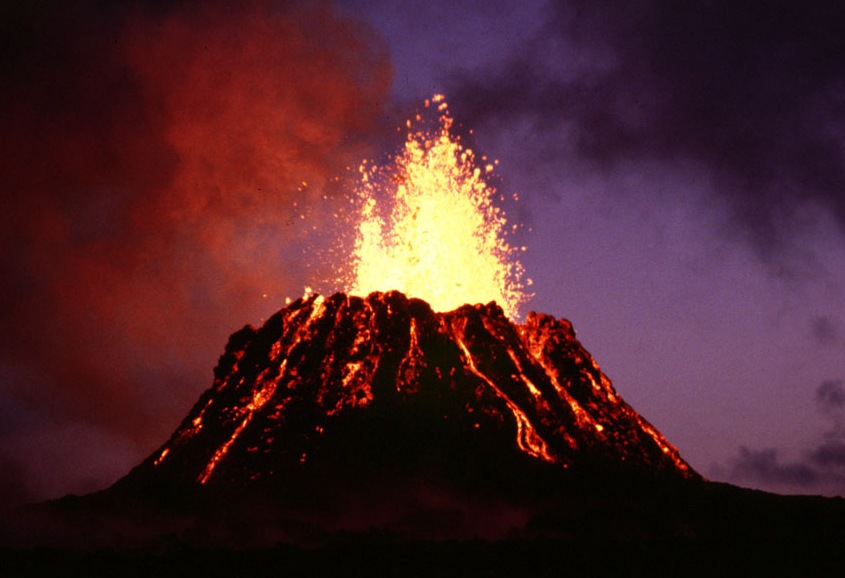
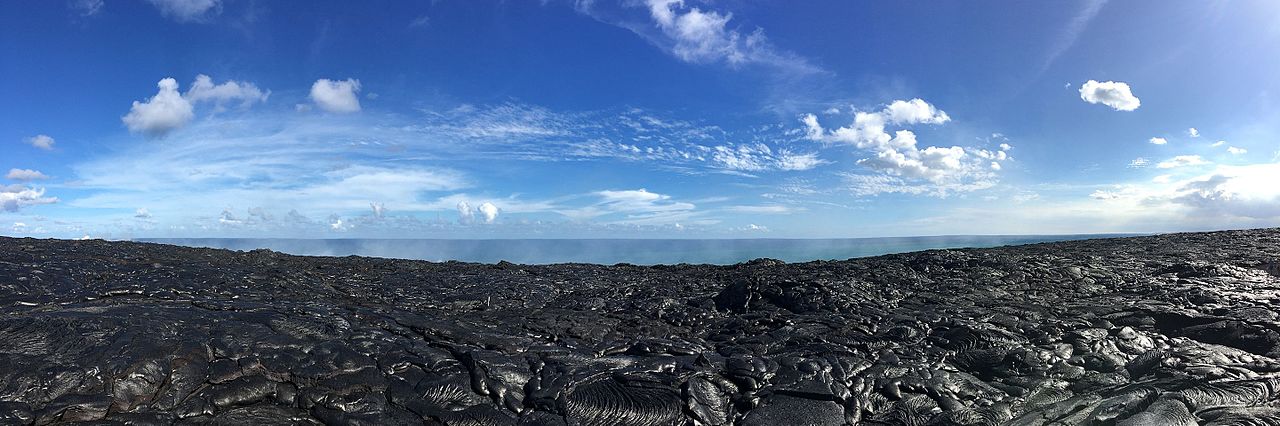
The park contains two of the most significant volcanoes on Earth: Mauna Loa, often described as the planet’s largest volcano by volume and area, and Kīlauea, one of the world’s most active volcanic centers. These volcanoes illustrate ongoing volcanism, from shield-building lava flows to summit collapse and rift-zone eruptions. The park’s terrain is a mosaic of fresh black lava fields, older forested slopes, cinder cones, and caldera features that tell a multi-million-year story of island construction and renewal. References to the larger planetary context sometimes use general terms such as Earth to explain scale, and comparative phrases such as largest volcano help convey Mauna Loa’s exceptional size.
History, culture, and development
Humans have lived with and interpreted the islands’ volcanoes for centuries. Traditional Native Hawaiian beliefs and practices are closely connected to volcanic landscapes and to the deity Pele, who figures in oral histories and place names. The park protects archaeological sites, historic trails and cultural landscapes that document how people adapted to an environment shaped by recurring lava flows and succession. Scientific study in the park has informed ideas about island formation and growth from hotspot volcanism and about landscape evolution more broadly.
Ecology and conservation
Volcanism creates a dynamic setting for ecological succession. Newly formed lava provides bare substrate for colonization, and over time soils develop to support specialized plant communities. The park contains diverse habitats, from alpine and subalpine zones to native rain forest and dry shrublands, hosting endemic plants and animals found nowhere else. Conservation priorities include protecting native species and cultural resources, managing invasive species, and conducting long-term ecological monitoring. Reliable overviews of these ecosystems are available through scientific and park resources that describe evolutionary processes and the island’s unique ecosystems.
Visiting the park and notable attractions
Visitors come for dramatic landscapes, hiking, interpretive centers, and night skies. Popular features and facilities include:
- Summit areas and calderas with overlooks and visitor exhibits.
- Trails across recent lava flows and through native forest.
- Historic sites, petroglyph fields, and cultural demonstrations.
- Ranger-led programs and educational materials from the park service.
Planning a visit should include checking current conditions and safety guidance, because volcanic activity, gas emissions, and rapidly changing weather can affect access and health. The park provides updates and interpretive resources to help visitors understand active processes.
Research, management, and notable facts
Hawaiʻi Volcanoes National Park is an important site for volcanology, ecology, and cultural studies. Researchers study eruption dynamics, lava flow behavior, soil formation, and biological colonization. The park’s protected status and its recognition as a Biosphere Reserve and World Heritage area highlight both its scientific importance and the need for stewardship. For more detailed visitor guidance, educational materials, and research summaries, consult official resources and park publications, or follow links provided by the park administration and partner organizations (park information, state resources). For further reading about specific features and terminology used in park interpretation, see resources on Mauna Loa, Kīlauea, volcanic processes (volcanism), and island evolution (evolution, island formation).
Additional official references and interpretive pages are available from both park and national science outlets (island guides, comparative volcano information, and curated educational portals at ecosystem profiles). These resources help visitors and researchers alike appreciate why this landscape is both scientifically valuable and culturally sacred.
Questions and answers
Q: What is Hawaii Volcanoes National Park?
A: Hawaii Volcanoes National Park is a national park located in the U.S. state and island of Hawaii, which includes Mauna Loa, the Earth's biggest volcano, and Kilauea, the Earth's most active volcano. It is also a UNESCO World Heritage Site.
Q: When was Hawaii Volcanoes National Park created?
A: Hawaii Volcanoes National Park was created in 1916.
Q: What can visitors see at Hawaii Volcanoes National Park?
A: Visitors to Hawaii Volcanoes National Park can see dramatic volcanic landscapes and gain insights into the birth of the Hawaiian Islands. They can also witness the results of millions of years of volcanism and evolution that have produced the island's unique ecosystems and distinct Ancient Hawaiian culture.
Q: What is special about Kilauea and Mauna Loa?
A: Kilauea is one of the world's most active volcanoes, and Mauna Loa is the Earth's biggest volcano. Together they offer scientists invaluable insights into the birth of the Hawaiian Islands.
Q: When was Hawaii Volcanoes National Park designated as an International Biosphere Reserve?
A: Hawaii Volcanoes National Park was designated as an International Biosphere Reserve in 1980.
Q: When was Hawaii Volcanoes National Park designated as a World Heritage Site?
A: Hawaii Volcanoes National Park was designated as a World Heritage Site in 1987.
Q: What are the natural values of Hawaii Volcanoes National Park?
A: Hawaii Volcanoes National Park is recognized for its outstanding natural values, which include the unique ecosystems created by volcanism and evolution over millions of years, as well as the distinct Ancient Hawaiian culture.
Related articles
Author
AlegsaOnline.com Hawaiʻi Volcanoes National Park: Volcanoes, Ecology, and Cultural Heritage Leandro Alegsa
URL: https://en.alegsaonline.com/art/42915
Sources
- nature.nps.gov : "Listing of acreage as of December 31, 2011"
- nature.nps.gov : "Five Year Annual Recreation Visits Report"
- whc.unesco.org : "Hawaii Volcanoes National Park"
- nps.gov : "Hawai'i's Only World Heritage Site"
- hvo.wr.usgs.gov : Explosive eruption in Halemaʻumaʻu Crater, Kilauea Volcano.
- nps.gov : "Closed Areas"