
Hasekura Tsunenaga: Early 17th-Century Japanese Diplomat and Samurai
Hasekura Tsunenaga (1571–1622) led one of the first Japanese embassies to Europe, visiting Spain, France, Italy and the Vatican. His mission exemplified early modern cultural and diplomatic exchange.
Overview
Hasekura Tsunenaga (1571–1622) was a Japanese samurai and envoy who led a remarkable embassy from Japan to Europe in the early 17th century. Traveling under the authority of the Sendai lord Date Masamune, Hasekura headed a mission that visited a number of European courts and the city of Rome, seeking trade agreements and political contacts at a time of changing global networks.
Image gallery
10 Images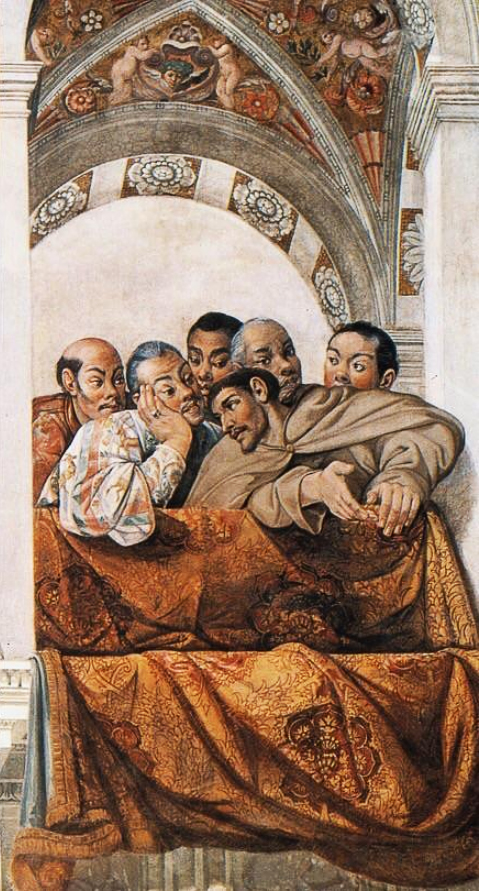




Name and background
In Japanese naming practice the family name typically appears first; the surname in this case is Hasekura. His given name is rendered in historical records and kanji characters. For readers unfamiliar with conventions, see general notes on Japanese naming and address for context.
Mission and voyage
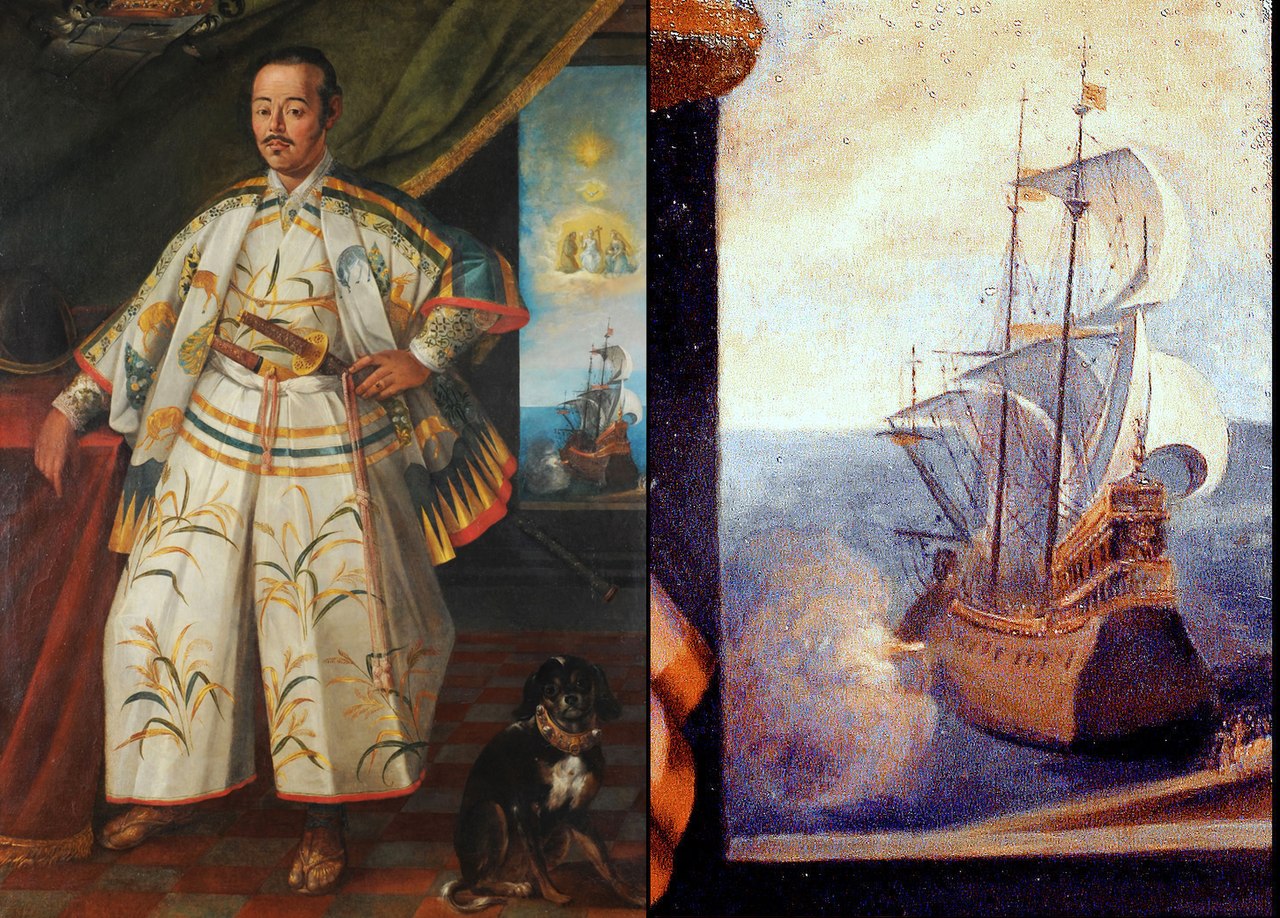
Departing Japan in the 1610s, Hasekura sailed aboard a Western-style ship and crossed the Pacific and Atlantic before reaching Europe. The embassy visited several kingdoms, including delegations to Spain, France and Italy, and secured an audience in the Vatican. During the journey members of the mission engaged with European officials, merchants and missionaries while negotiating the complex mix of commerce, religion and diplomacy that defined the period.
Reception and recognition
While in Rome Hasekura received honors from civic and ecclesiastical authorities; contemporary accounts note formal receptions and symbolic gestures of welcome. The Roman governing body granted him civic distinctions, and chroniclers record that the embassy left a strong impression on many Europeans who had little previous contact with Japanese envoys. Several European portraits and documents from the trip survive in archives.
Return and legacy
Hasekura returned to Japan amid a shift toward stricter control over foreign influence and religion. His mission ultimately did not produce lasting trade treaties, in part because Japanese policy moved toward isolation and restrictions on Christianity. Nonetheless, the embassy is important for what it reveals about early modern global exchange, cross-cultural diplomacy, and the ambitions of regional Japanese leaders to engage with overseas powers.
Key points and notable facts
- Hasekura was a samurai envoy sent by a regional daimyo rather than by a centralized shogunate authority.
- He met leaders and dignitaries in several countries and received civic honors from bodies such as the Roman Senate.
- The trip is among the earliest sustained Japanese diplomatic contacts with Spain, France and Italy, and remains a frequent subject of historical research and public commemoration.
Questions and answers
Q: Who was Hasekura Tsunenaga?
A: Hasekura Tsunenaga was a Japanese samurai and diplomat.
Q: What was Hasekura Tsunenaga known for?
A: Hasekura Tsunenaga was known as the first diplomat from Japan to visit Spain, France, Italy and the Vatican.
Q: When was Hasekura Tsunenaga born and when did he die?
A: Hasekura Tsunenaga was born in 1571 and died in 1622.
Q: What was Hasekura Tsunenaga's family name?
A: Hasekura Tsunenaga's family name was Hasekura.
Q: What did the Roman Senate do for Hasekura Tsunenaga?
A: The Roman Senate made Hasekura Tsunenaga a citizen and a patrician of Rome.
Q: What countries did Hasekura Tsunenaga visit during his diplomatic mission?
A: Hasekura Tsunenaga visited Spain, France, Italy and the Vatican during his diplomatic mission.
Q: Why is Hasekura Tsunenaga significant in Japanese history?
A: Hasekura Tsunenaga is significant in Japanese history as he was the first Japanese diplomat to visit Europe and was able to establish trade relations with European countries.
Related articles
Author
AlegsaOnline.com Hasekura Tsunenaga: Early 17th-Century Japanese Diplomat and Samurai Leandro Alegsa
URL: https://en.alegsaonline.com/art/42726
Sources
- books.google.com : The Pacific Ocean in Hstory: Papers and Addresses Presented at the Panama-Pacific Historical Congress, held at San Francisco, Berkeley and Palo Alto, California, July 19-23, 1915, p. 480
- mofa.go.jp : "Japan-Mexico Relations"
- worldcat.org : Historia del regno di Voxu del Giapone, dell'antichità, nobilità e valore del suo re Idate Masamune, delli favori c'ha fatti alla christianità... e dell'ambasciata che hà inviata alla Sta di N. S. papa Paolo V... fatta per il dottor Scipione Amati (in Italian)
- worldcat.org : Recit de l'entrée solemnelle et remarquable faicte à Rome, à Dom Philippe François Faxicura, & au Reuerend Pere Frere Louys Sotello ... Ambassadeurs pour Idate Massamune, Roy de Voxu au Iappon. Sur sa Conuersion au Christianisme & recherche de l'alliance des Princes Chrestiens. Vers la Saincteté de N.S.P. Paul v. ... le 25. iour d'Octobre 1615. (in French)
- precious.road.jp : Hasekura statue in Ishinomaki, Japan (in Japanese)
- byakuya-shobo.co.jp : Hasekura statue in Havana, Cuba
- alternatehistory.com : Hasekura statue in Coria del Rio, Spain
- commons.wikimedia.org : Hasekura statue in Civitavecchia, Italy
- japantimes.co.jp : "Spain's Japon clan has reunion to trace its 17th century roots"
- books.google.com : "11514 Tsunenaga,"
- yomiuri.co.jp : "Japan, Spain to Seek UNESCO Heritage Ratification,"