
Hartley, Kent
Hartley is a village in Kent, England, about 6 miles south of Gravesend and Dartford. Once a small rural settlement, it has grown with modern housing while retaining woods, farms and the historic All Saints church.
Overview
Hartley is a village in Kent, in southeastern England. It lies roughly six miles south of both Gravesend and Dartford. Traditionally a small rural community, Hartley has seen residential expansion in the late 20th and early 21st centuries and now forms a suburban cluster that adjoins neighbouring Longfield to the north.
Image gallery
1 Image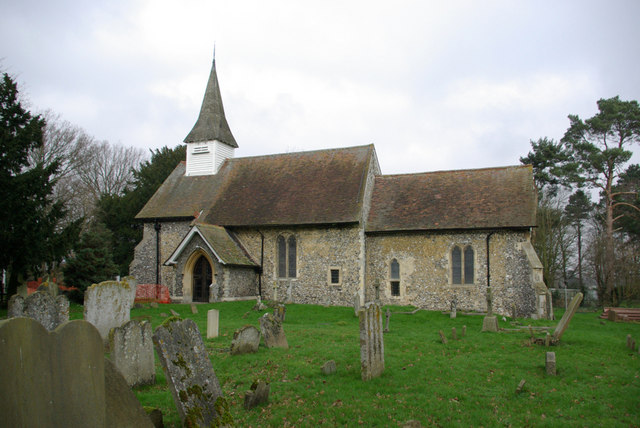
Characteristics
The village combines older houses and a large amount of newer housing developments. Surrounding the built-up area are pockets of woodland and farmland that mark Hartley’s rural origins. In the 2001 census the population was recorded as 5,395, and many of the roughly 2,145 homes in the settlement are owner-occupied. Local life remains focused on village amenities, green space and community institutions.
History and name
The place-name Hartley derives from Old English elements meaning a woodland clearing frequented by deer — commonly interpreted as "hart" (deer) plus "lēah" (woodland or clearing). For centuries it was a small agricultural hamlet; over time the arrival of improved transport and housing development transformed its character into a larger residential village.
Buildings and notable sites
Hartley’s parish church, All Saints, is the traditional focal point of the village and reflects its long-established local identity. The village contains a mixture of architectural styles, from older cottages and farm buildings to modern suburban houses. Woods, hedgerows and nearby farmland continue to provide rural scenery close to the settlement.
Modern context and importance
Today Hartley functions largely as a residential community within commuting distance of larger towns. Its expansion has created stronger links with adjacent settlements while retaining a village feel for residents. Although it has not been the scene of nationally prominent events, Hartley illustrates a common pattern in the English countryside: historic rural origins combined with later suburban growth.
Practical information
Questions and answers
Q: Where is Hartley located?
A: Hartley is located in Kent, England.
Q: How far is Hartley from Gravesend and Dartford?
A: Hartley is 6 miles south of Gravesend and Dartford.
Q: What is the name of the old church in Hartley?
A: The old church in Hartley is called All Saints.
Q: How many people were living in Hartley in 2001?
A: In 2001, there were 5,395 persons living in Hartley.
Q: Are most of the houses in Hartley owned by those who live in them?
A: Yes, most of the 2,145 houses in Hartley are owned by the persons who live in them.
Q: What does the name Hartley mean?
A: The name Hartley means "place in the wood where the deer are".
Q: Were there any major events or famous people associated with Hartley?
A: No, there were no great events that happened in Hartley and not many famous persons lived in Hartley.
Related articles
Author
AlegsaOnline.com Hartley, Kent Leandro Alegsa
URL: https://en.alegsaonline.com/art/42682