
Harry Power: Irish-born Australian bushranger and mentor to Ned Kelly
Biography of Harry Power (Henry Johnson), 1819–1891: convicted and transported, repeated escapes and bushranging in Victoria, association with Ned Kelly, later life and legacy.
Overview
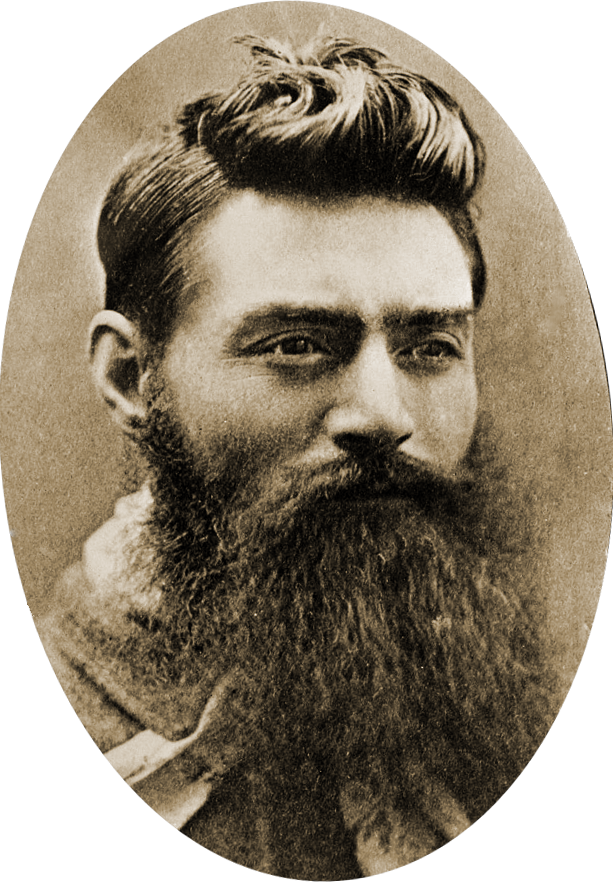
Harry Power (born Henry Johnson in 1819) was an Irish-born convict who became a well-known Australian bushranger during the mid-19th century. He is widely remembered for a string of robberies across northern Victoria, for multiple escapes from custody, and for an early association with the young Ned Kelly. Contemporary accounts and later histories describe him as a hardened outlaw whose activities contributed to the turbulent frontier environment of colonial Australia. For his origins see Waterford, Ireland; for context on bushranging in Australia see bushranger histories; biographical links to Ned Kelly are often noted.
Image gallery
10 Images




Early life, conviction and transportation
Born Henry Johnson on 18 May 1819, he was convicted in Britain and transported to Van Diemen's Land for theft. Records and repeated retellings identify the stolen items in his original case as a bridle and a saddle, crimes that were frequently punished by transportation in the period. The penal colony of Van Diemen's Land (now Tasmania) held many transported convicts who later moved on to the Australian mainland after their terms. The specific offences are commonly cited with references to a bridle and a saddle, illustrating the rural and equestrian nature of many frontier crimes.
Bushranging career and escapes
After his release in 1848 Harry Power relocated to Victoria where he ran a legitimate horse-selling business before moving into the goldfields and then into outlawry. He was arrested for horse stealing and, in an episode during March 1855, shot one of the arresting officers. Sentenced to a lengthy prison term, he served time at HM Prison Pentridge. Power escaped that prison more than once and used the bush and river country of northern Victoria as his operational area. Authorities eventually offered a substantial reward for his capture.
Association with the Kelly family and activities
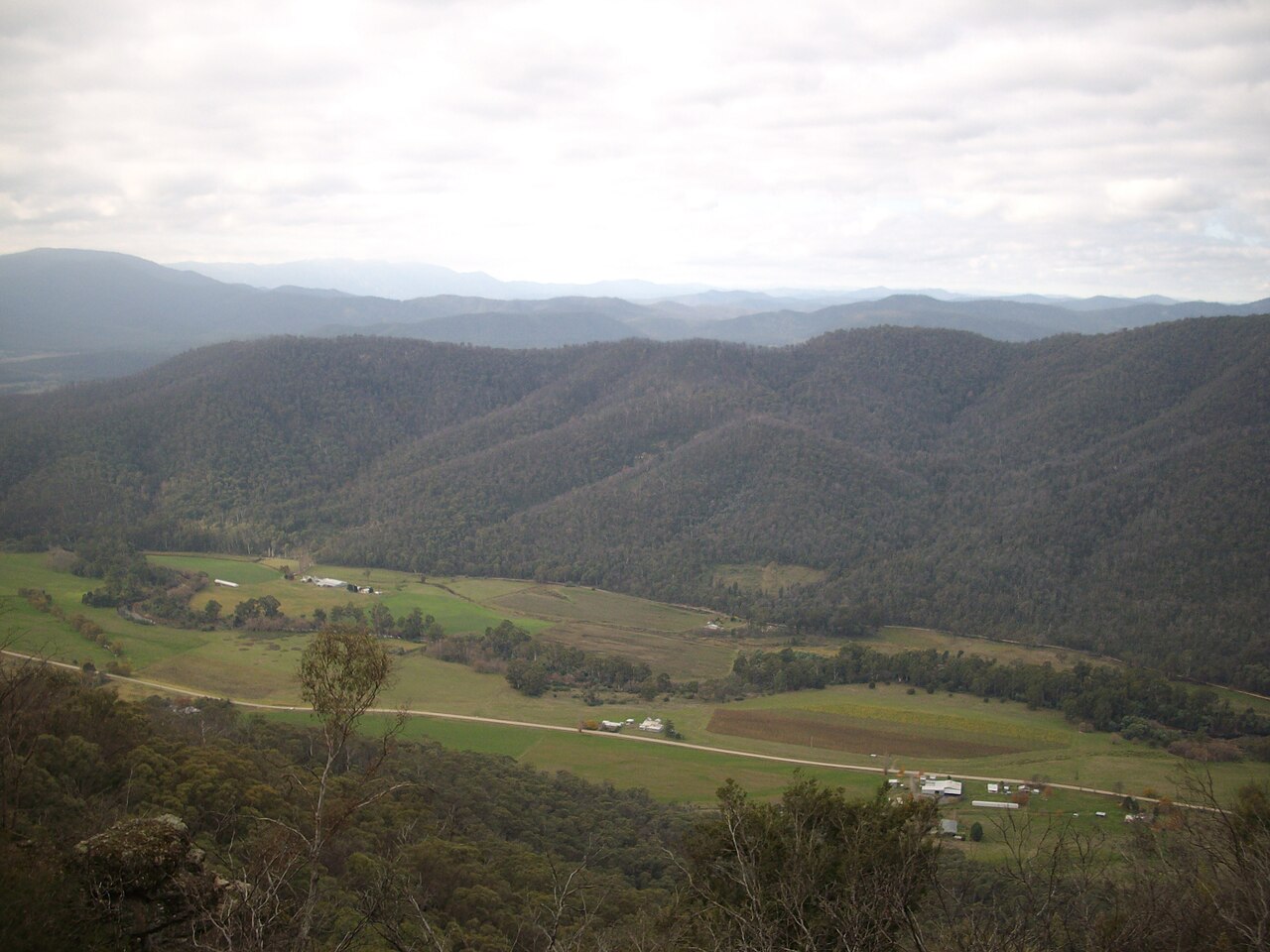
During a period of bushranging around Beechworth and the King River region he encountered members of the Kelly and Quinn families. Accounts suggest he gave the thirteen-year-old Ned Kelly practical lessons in bushcraft and robbery; historians treat the relationship as formative rather than determinative. Power's hideout is traditionally linked to a vantage point overlooking the King River, a place still referred to in local tradition as Power's Lookout. According to contemporary reports, betrayals within local networks led to his eventual recapture.
Timeline of notable events
- Transported to Van Diemen's Land for theft; released and moved to Victoria.
- Convicted again in the 1850s for horse stealing and imprisoned.
- Escaped from Pentridge and conducted a series of robberies across northern Victoria.
- Captured near Beechworth and returned to custody; escaped a second time in 1869.
- Recaptured after a tip-off and later released on health grounds in the late 1870s.
Later life, death and legacy
After his final release, Power attempted to live quietly, working on farms and later serving as a guide aboard a preserved convict vessel that functioned as a public exhibit and museum. The ship and museum are often mentioned together in reminiscences of convict heritage tours. He died in 1891; contemporaneous reports state his body was found in the Murray River near Swan Hill. Different accounts emphasize his role as either a notorious criminal or a figure shaped by harsh penal laws and frontier life.
Why Harry Power matters
Harry Power is significant for several intersecting reasons: he exemplifies the cycle of transportation, release and recidivism that characterized many transported offenders; his multiple escapes and prolonged bushranging illustrate the difficulties colonial authorities faced in policing remote districts; and his contact with the young Ned Kelly places him in the early narrative of one of Australia’s most famous outlaw myths. For further reading about the places and institutions connected to his story see resources on Victoria, Pentridge and convict sites, as well as interpretive materials held by museums that preserve this period.
For additional perspectives and archival material consult links related to his birthplace and criminal milieu: Waterford, the concept of the bushranger, biographical notes on Ned Kelly, the history of Van Diemen's Land, items linked to his original crimes such as the bridle and saddle, records from Pentridge, the King River locale at Power's Lookout, and material about preserved convict ships and museums (convict ship, museum).
Questions and answers
Q: Who was Harry Power?
A: Harry Power was an Australian bushranger born as Henry Johnson in Waterford, Ireland on 18 May 1819.
Q: What did he do to be sent to Van Diemen's Land?
A: He was sent to Van Diemen's Land for seven years for stealing a bridle and a saddle.
Q: Where did he move after being released from prison?
A: After being released from prison, he moved to Victoria where he set up a horse selling business in Geelong.
Q: How old was Ned Kelly when he helped Power with robberies near Beechworth?
A: Ned Kelly was 13 years old when he helped Power with robberies near Beechworth.
Q: What is the name of the cave that served as Power's hideout?
A: The cave that served as Power's hideout is still called "Power's Lookout".
Q: Who told the police about the location of the cave leading to his capture?
A: Ned Kelly's uncle, James Quinn, told the police about the location of the cave leading to his capture.
Q: How did Harry Power die?
A: In November 1891, Harry Power was found drowned in the Murray River near Swan Hill.
Related articles
Author
AlegsaOnline.com Harry Power: Irish-born Australian bushranger and mentor to Ned Kelly Leandro Alegsa
URL: https://en.alegsaonline.com/art/42640
Sources
- nla.gov.au : "A Bushranger's Confessions"
- adb.anu.edu.au : "Power, Henry (Harry) (1820–1891)"
- nefm.com.au : "North East Farmers Market - Moyhu Farmers' Market, King Valley"