
Harry Potter and the Philosopher's Stone
First novel in J.K. Rowling's Harry Potter series, introducing Harry, Hogwarts, the mystery of the Philosopher's Stone, and launching a global cultural phenomenon and multimedia franchise.
Harry Potter and the Philosopher's Stone is the opening novel of J.K. Rowling's widely read fantasy series. Published in 1997 in the United Kingdom, it introduces Harry Potter, an orphan who discovers he is a wizard and is invited to attend Hogwarts School of Witchcraft and Wizardry. The book mixes coming-of-age elements, mystery, and adventure, and it established the characters and tone that shape the subsequent volumes in the series. For the U.S. market the title was changed to Harry Potter and the Sorcerer's Stone prior to American release.
Image gallery
2 Images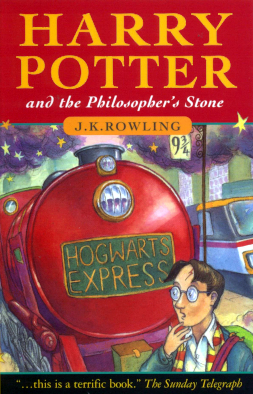

Plot overview and principal characters
The story follows Harry's transition from a neglected child living with relatives to a pupil at a magical boarding school. Key characters introduced include Hermione Granger and Ron Weasley, Harry's close friends; Albus Dumbledore, the headmaster; and other faculty and students who populate Hogwarts. Central to the plot is the artifact known as the Philosopher's Stone, a legendary object with alchemical associations that provokes a mystery Harry and his friends attempt to unravel.
Themes and style
Rowling's prose blends accessible language with imaginative world-building. Major themes include friendship, courage, identity, and the moral choices that define adulthood. The novel balances lighthearted schoolroom episodes with darker undercurrents, creating a narrative that appeals to both younger readers and adults. Its structure—introducing a self-contained mystery while planting long-term story threads—helped shape the series' serialized approach.
Publication, title change, and early reception
After publication in 1997 the book quickly gained attention for its inventive setting and engaging characters. The American edition, retitled Sorcerer's Stone, was published with minor editorial adjustments. The novel's success led to translations into many languages and numerous reprints. For more about the book's place in the series see series overview and for edition details see publication notes.
Adaptations and cultural impact
The novel was adapted as a major feature film released in 2001, directed by Chris Columbus and starring Daniel Radcliffe, Emma Watson, and Rupert Grint; this adaptation expanded the story's global reach and helped create a multimedia franchise. The title and adaptation history are discussed further at film adaptation and film release. The book's popularity influenced children's publishing, inspired fan communities, and became the basis for merchandise, stage productions, and themed attractions. See also the author's profile at author page.
Notable facts and distinctions
- The Philosopher's Stone references an alchemical concept distinct from the novel's magical object.
- Its U.S. retitling is one of the most cited examples of editorial changes for different markets; publishers provide context at publisher notes.
- The book serves as both a standalone children's fantasy and the foundation of a serialized epic that traces its characters over seven volumes.
Together these elements explain why the novel is regarded as a modern classic of children's literature and the springboard for a major cultural phenomenon.
Questions and answers
Q: Who is the author of Harry Potter and the Philosopher's Stone?
A: The author of Harry Potter and the Philosopher's Stone is J.K. Rowling.
Q: When was Harry Potter and the Philosopher's Stone published?
A: Harry Potter and the Philosopher's Stone was published in 1997.
Q: What is the US title of Harry Potter and the Philosopher's Stone?
A: The US title of Harry Potter and the Philosopher's Stone is Harry Potter and the Sorcerer's Stone.
Q: Is Harry Potter and the Philosopher's Stone the first book in the Harry Potter series?
A: Yes, Harry Potter and the Philosopher's Stone is the first book in the Harry Potter series.
Q: Was there a movie version of Harry Potter and the Philosopher's Stone?
A: Yes, there was a movie version of Harry Potter and the Philosopher's Stone which was shown in theaters in 2001.
Q: Who is the main character in Harry Potter and the Philosopher's Stone?
A: The main character in Harry Potter and the Philosopher's Stone is Harry Potter.
Q: What is the book about?
A: Harry Potter and the Philosopher's Stone is a story about a young orphan boy named Harry, who discovers that he is a wizard and begins attending a magical school called Hogwarts. The book follows Harry as he learns about magic, makes friends, and confronts the dark wizard who killed his parents.
Related articles
Author
AlegsaOnline.com Harry Potter and the Philosopher's Stone Leandro Alegsa
URL: https://en.alegsaonline.com/art/42636