
Harry Mulisch
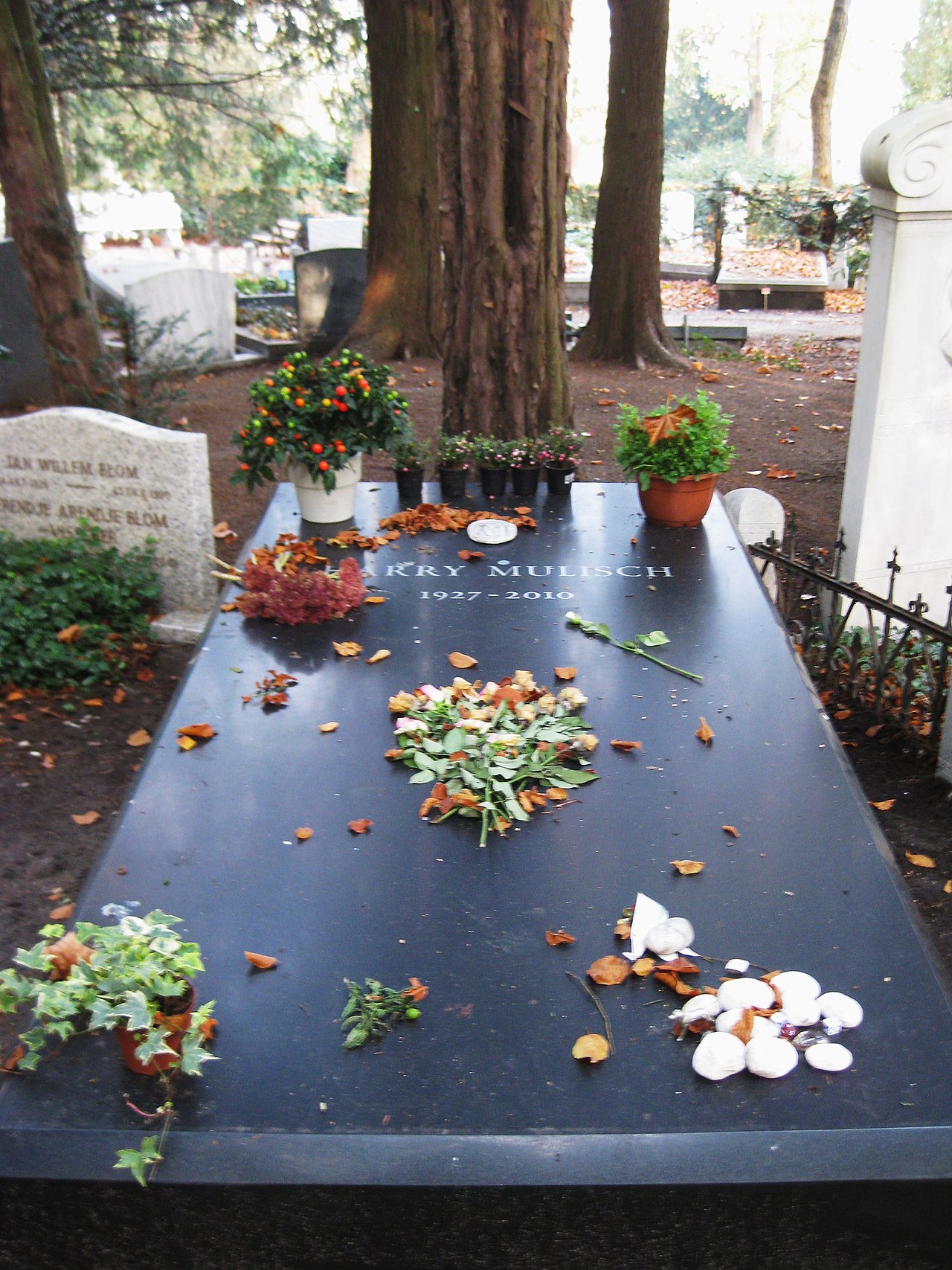
Dutch novelist and public intellectual Harry Mulisch (1927–2010) wrote novels, plays, essays and poetry; best known for The Discovery of Heaven and The Assault, his work probed history, guilt and metaphysics.
Overview
Harry Mulisch was a prominent writer from the Netherlands, born on July 29, 1927 and deceased on October 30, 2010. Over the course of a long career he produced more than thirty books and numerous shorter works. His output—novels, essays, plays, poems and short stories—reached an international audience: many of his works were translated and published abroad, appearing in more than twenty languages.
Image gallery
4 Images


Life and background
Mulisch was born in Haarlem. He settled in Amsterdam in the late 1950s and remained there for most of his adult life. His personal history and the experience of growing up during and after the Second World War informed much of his writing; he also became a visible public intellectual in Dutch cultural life.
Work and major themes
Mulisch wrote across genres, combining narrative invention with philosophical enquiry. He is often associated with novels that confront history, moral responsibility and human fate while interweaving myth, theology and science. His best-known titles include The Discovery of Heaven (original Dutch title De ontdekking van de hemel) and The Assault (De Aanslag). Beyond long fiction, his corpus contains plays, essays and poetry that address politics, memory and the ethical implications of the past.
Genres and examples
- Novels: extended narratives that explore moral and metaphysical questions.
- Short fiction and essays: reflections on culture, history and literature.
- Drama and poetry: formal experiments that complement his prose work.
Reception, adaptations and translations
Mulisch enjoyed both popular readership and critical attention at home and abroad. One of his novels was adapted for film and received international recognition, helping to introduce his themes to a wider audience. His books have been translated into many languages, increasing his standing as one of the most visible Dutch writers of the postwar era.
Legacy and significance
Today Mulisch is remembered as a central figure in twentieth‑century Dutch literature: a prolific author whose work combined narrative ambition with philosophical depth. Readers and scholars continue to study his explorations of guilt, memory and destiny, and his role as a public commentator on culture and history remains part of his lasting reputation.
Questions and answers
Q: Who was Harry Mulisch?
A: Harry Mulisch was a writer from the Netherlands.
Q: How many works did Harry Mulisch write?
A: Harry Mulisch wrote more than 30 works.
Q: In how many languages were Harry Mulisch's books translated?
A: Harry Mulisch's books were translated into more than 20 languages.
Q: What is Harry Mulisch's most famous book?
A: Harry Mulisch's most famous book is The Discovery of Heaven.
Q: Where was Harry Mulisch born?
A: Harry Mulisch was born in Haarlem.
Q: Where did Harry Mulisch live for most of his life?
A: Harry Mulisch lived in Amsterdam from 1958 until the end of his life.
Q: When did Harry Mulisch pass away?
A: Harry Mulisch passed away on October 30, 2010.
Related articles
Author
AlegsaOnline.com Harry Mulisch Leandro Alegsa
URL: https://en.alegsaonline.com/art/42624