
Harrods — London luxury department store and diversified brand
Harrods is a historic luxury department store in Knightsbridge, London, known for its extensive departments, famed food halls and related businesses including banking, property and aviation services.
Overview
Harrods is a well known luxury department store located on Brompton Road in Knightsbridge, within the Royal Borough of Kensington and Chelsea in London. The flagship store's name also serves as the core of a wider commercial group and brand used across several specialist enterprises. The principal store is a landmark building with ornate façades and multiple floors of retail space, visited by both local shoppers and international tourists.
Image gallery
9 Images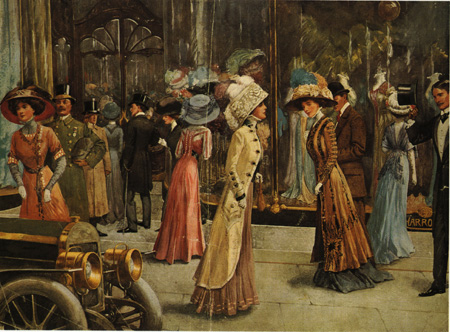




Size, layout and departments
The main Harrods building occupies a substantial site in Knightsbridge: the premises have been extended and reconfigured over decades to provide a very large retail footprint. The store is organised into numerous departments that together create a broad, one‑stop shopping experience. Typical departments include fashion and accessories, jewellery and watches, cosmetics, home and furniture, toys and children's wear, and dedicated seasonal areas.
One of Harrods' most famous features is its Food Halls, a series of connected rooms and counters offering speciality groceries, prepared foods, delicatessen items, patisserie and fine wines. The Food Halls are often highlighted in visitor accounts for their variety, presentation and artisanal offerings. Other in‑store services include personal shopping, concierge and bespoke tailoring and alteration services.
History and ownership
Harrods began in the early 19th century when Charles Henry Harrod established a business that expanded from a small shop into a large department store. Over the 19th and 20th centuries the business grew its range and physical footprint to become one of the most prominent retail emporia in London. Ownership has changed several times: the store became part of larger British retail groups in the mid 20th century, was purchased in the 1980s by the Egyptian businessman Egyptian entrepreneur Mohamed Al‑Fayed, and in 2010 was acquired by the sovereign wealth investor known as the Qatar Investment Authority. Each period of ownership brought investment and distinctive developments to the business.
Brand extensions and enterprises
Beyond the retail store, the Harrods name is applied to several related businesses and services that extend the brand into other sectors. These include financial services historically associated with Harrods Bank, property and estate management operations connected with Harrods Estates, and aviation services such as Harrods Aviation and Air Harrods. These brand extensions reflect Harrods' position not only as a store but as a diversified luxury services group.
Visitor experience and cultural role
Harrods has long been part of London’s cultural and retail landscape. Its elaborate window displays, seasonal decorations and in‑store events draw visitors throughout the year, while specific promotions — notably the yearly Harrods Christmas offerings and the collectible Harrods Christmas Bears — attract significant attention. The combination of designer boutiques, specialist counters and experiential retailing has helped maintain Harrods' reputation for opulence and service.
Architecture and public presence
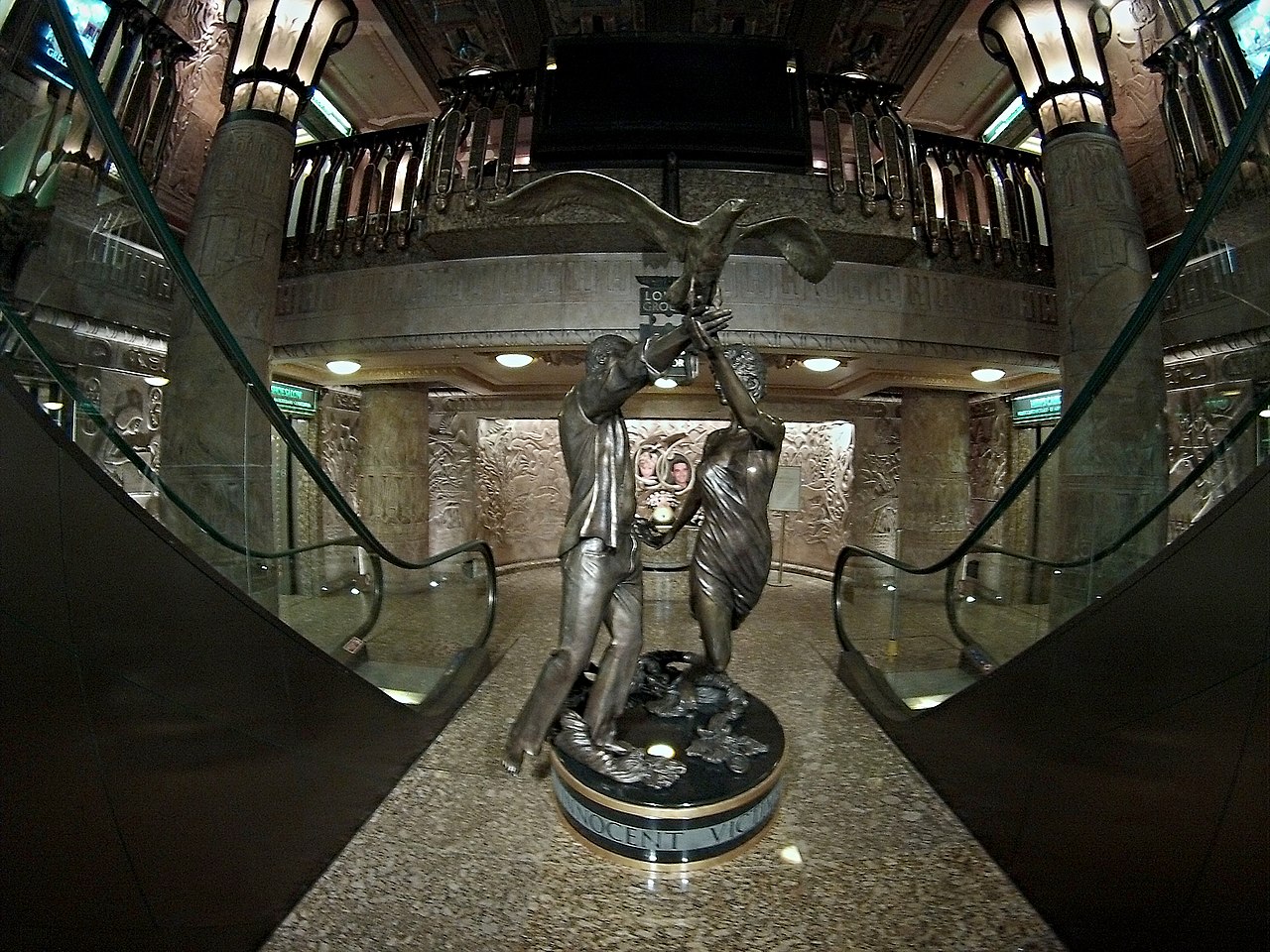
The Harrods building is notable for its scale and decorative details; internally, it contains a network of departments, escalators and ornate public spaces. While modern retail trends and online competition have transformed the wider sector, Harrods remains an anchor of luxury shopping in Knightsbridge and a frequent stop on visitors' itineraries. The store operates both as a retail destination and as a symbol of historic British department‑store culture.
Products, services and specialities
- Luxury fashion and accessories — international designer labels and bespoke services.
- Jewellery and watches — curated collections and specialist advice.
- Food Halls — gourmet groceries, prepared foods, wine and delicacies.
- Home and lifestyle — furniture, décor and gifting.
- Customer services — personal shopping, gifting, events and concierge.
Legacy
As a long‑established business with international recognition, Harrods continues to balance tradition and contemporary retail practice. It remains a prominent example of the historic department store model adapted to modern luxury retailing, with a brand that extends into services beyond the shop floor. For those researching or visiting London, Harrods is commonly cited for its architecture, food offering and role in the city's retail history.
Questions and answers
Q: What is Harrods?
A: Harrods is an upscale department store located in Knightsbridge, London.
Q: What other businesses are associated with the Harrods brand?
A: Harrods also includes Harrods Bank, Harrods Estates, Harrods Aviation, and Air Harrods.
Q: How large is the Harrods store?
A: The Harrods store comprises a 5-acre site with 330 departments, covering one million square feet of retail space.
Q: Who founded Harrods?
A: Harrods was founded by Charles Henry Harrod in 1834.
Q: Who bought Harrods in 1959?
A: The British department store holding company, House of Fraser, purchased Harrods in 1959.
Q: Who owns Harrods now?
A: In 2010, Harrods was sold to Qatar Investment Authority (QIA), a company that invests the wealth of the Qatar royal family.
Q: What is Harrods known for besides being a department store?
A: Harrods is known for their popular annual Christmas bears.
Related articles
Author
AlegsaOnline.com Harrods — London luxury department store and diversified brand Leandro Alegsa
URL: https://en.alegsaonline.com/art/42585