
Harriet Beecher Stowe: Author and Abolitionist
Harriet Beecher Stowe (1811–1896) was an American author whose 1852 novel Uncle Tom's Cabin galvanized anti‑slavery sentiment, shaped popular views of slavery, and inspired widespread theatrical and political reaction.
Overview
Harriet Beecher Stowe (June 14, 1811 – July 1, 1896) was an American writer and social reformer best known for the novel Uncle Tom's Cabin and for her association with the broader abolitionist movement. Born into the prominent Beecher family, she combined religious conviction, domestic fiction techniques, and moral argument to reach wide audiences. Her work translated private feeling into public debate and helped make the human costs of slavery accessible to readers who had not witnessed it directly.
Image gallery
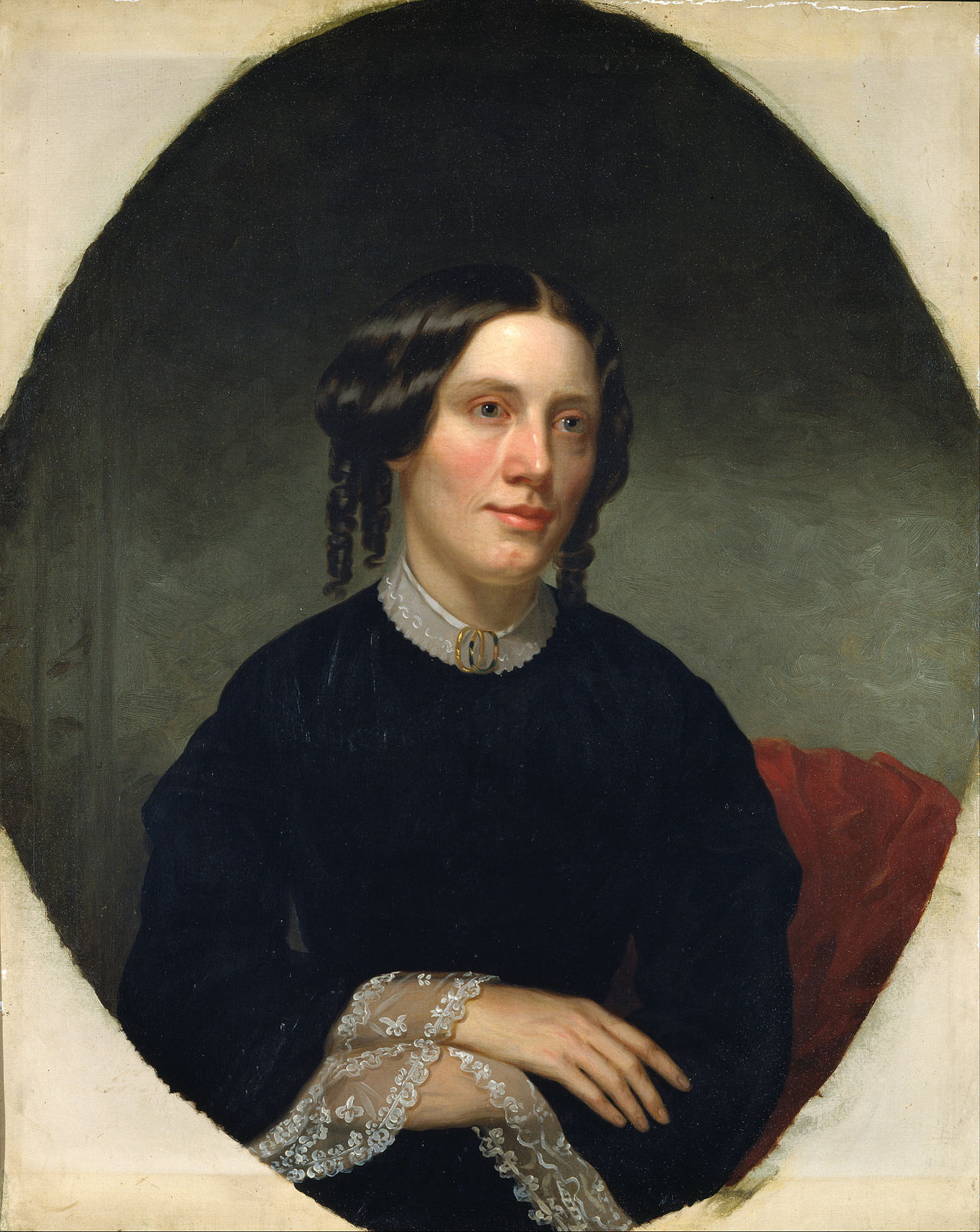
8 Images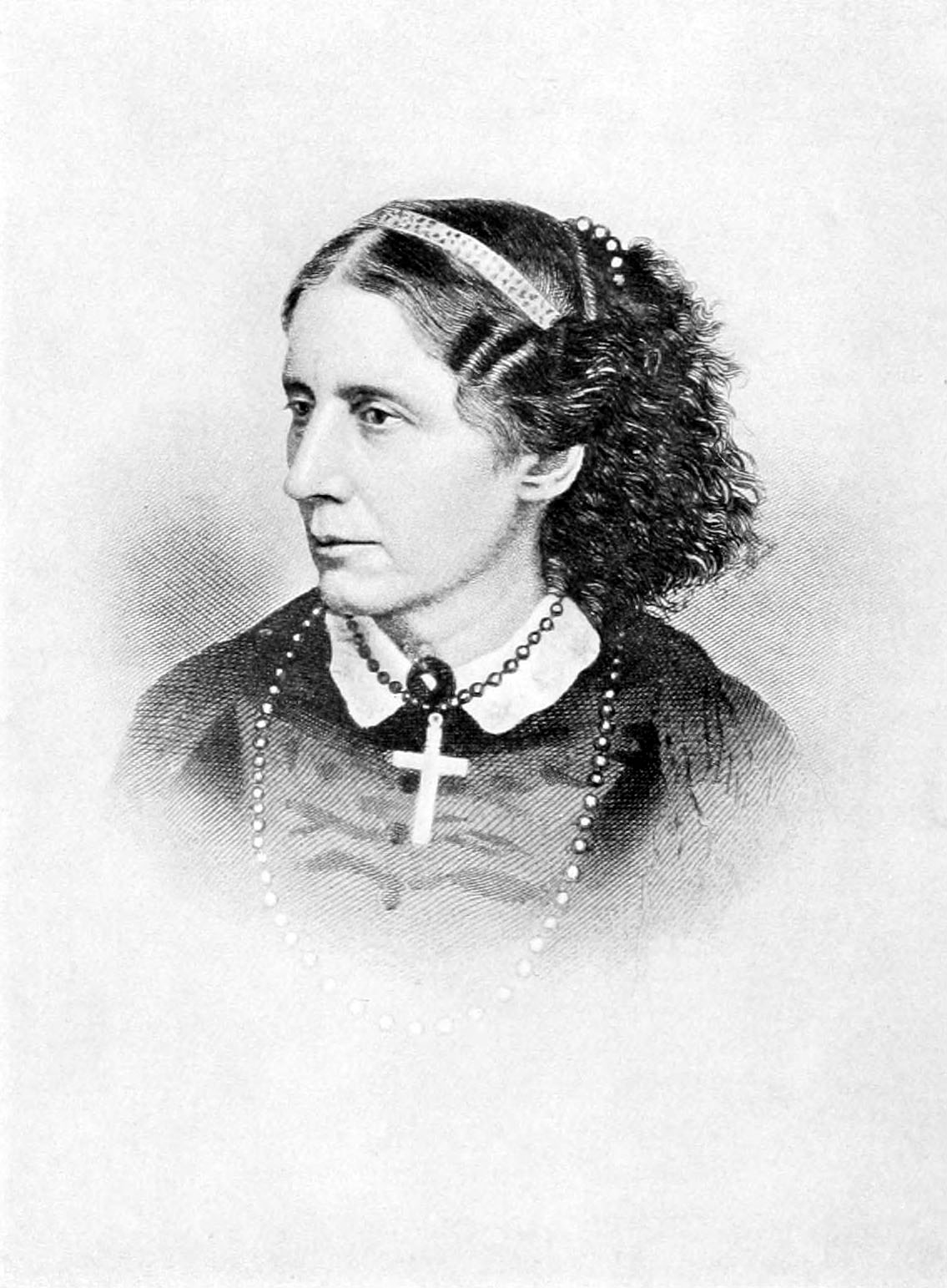




Early life and family
Stowe was raised in a household that emphasized education, religious faith, and social reform. The Beecher family produced ministers, educators, and activists who were well known in the United States. Her early experiences teaching and observing social conditions informed much of her later writing, which often focused on family life, moral choices, and the role of women in society.
Uncle Tom's Cabin: origins and themes
Uncle Tom's Cabin first appeared in serialized form and was published as a book in 1852. Drawing on sentimental novel conventions, folk narratives, religious imagery, and contemporary accounts of slavery, Stowe presented interwoven stories that emphasized family separation, the brutality of the slave system, and the power of Christian conscience. The novel foregrounded the experiences of enslaved African Americans and used vivid characterization to appeal to readers' empathy.
Reception and influence
The book became an international bestseller and provoked immediate, intense reaction. In the United States it fueled abolitionist sentiment and contributed to national debates about slavery; in Britain and other countries it influenced public opinion and reformist discussion. Numerous stage adaptations, pamphlets, and responses—both supportive and hostile—followed its publication.
Controversy and criticism
While many praised Stowe for exposing the cruelties of slavery, critics accused her of sentimentalism, stereotyping, or simplifying complex social and political issues. Later scholars have examined both the novel's powerful role in mobilizing opposition to slavery and its problematic portrayals and rhetoric. These debates form an important part of Stowe's complex legacy.
Later life and other writing
Stowe continued to publish novels, short stories, essays, and religious reflections addressing education, temperance, and moral reform. Though she remained identified with Uncle Tom's Cabin, her broader corpus explored domestic life, ethical dilemmas, and social institutions. She remained a public figure into her later years and engaged in lecturing and charitable work.
Legacy
Stowe's work left a lasting imprint on American literature and social history. Her novel helped popularize the use of sentimental fiction as a vehicle for social critique and demonstrated the power of popular literature to influence politics. At the same time, her book has prompted ongoing reflection about representation, race, and the responsibilities of writers addressing injustice.
Notable facts
- Her novel was rapidly adapted for the stage and reached audiences who did not read the book directly.
- Stowe's writing connected domestic fiction to larger networks of 19th‑century reform and religion.
- Scholars continue to debate both the historical impact of Uncle Tom's Cabin and the ethical implications of its portrayals.
- The book influenced public opinion in the United States and across the Atlantic in Britain.
For introductions to Stowe's life and work consult biographies and literary studies that place her writings in the context of the antebellum United States and the international abolitionist discussion. Researchers often examine how Stowe's religious beliefs and family background shaped her approach to social reform and narrative technique. Further context on the movement that opposed slavery is available through studies of the broader abolitionist efforts and the responses of those who defended the institution; readers interested in the novel itself may compare different editions and stage adaptations of Uncle Tom's Cabin to trace how the story was received. The novel and its reception remain central to conversations about literature, history, and race.
Questions and answers
Q: Who was Harriet Beecher Stowe?
A: Harriet Beecher Stowe was an American abolitionist and writer.
Q: What novel did Harriet Beecher Stowe write?
A: Harriet Beecher Stowe wrote the novel Uncle Tom's Cabin.
Q: What was the subject of Uncle Tom's Cabin?
A: Uncle Tom's Cabin showed the lives of African-American slaves.
Q: How popular was Uncle Tom's Cabin?
A: Uncle Tom's Cabin was very popular as a novel and a play.
Q: What influence did Uncle Tom's Cabin have in the United States and Britain?
A: Uncle Tom's Cabin had a great influence in the United States and Britain, helping people who did not like slavery and making many people disagree with slavery.
Q: When did Harriet Beecher Stowe live?
A: Harriet Beecher Stowe lived from June 14, 1811, to July 1, 1896.
Q: What was Harriet Beecher Stowe's role in the abolitionist movement?
A: Harriet Beecher Stowe was an American abolitionist who used her writing to support the abolitionist movement.
Related articles
Author
AlegsaOnline.com Harriet Beecher Stowe: Author and Abolitionist Leandro Alegsa
URL: https://en.alegsaonline.com/art/42545
Sources
- books.google.com : Memory and Myth: The Civil War in Fiction and Film from Uncle Tom's Cabin to Cold Mountain
- books.google.com : The Power of the Story: Fiction and Political Change
- findagrave.com : "Harriet Elizabeth Beecher Stowe (1811 - 1896) - Find A Grave Memorial"