
Harper Lee: Life, Major Works and Cultural Legacy
Overview of Harper Lee (1926–2016), the American author of To Kill a Mockingbird, her life, literary themes, publication history including Go Set a Watchman, and her influence on American letters.
Overview
Harper Lee was an American author whose best‑known novel, To Kill a Mockingbird, became a landmark work of 20th‑century literature and a touchstone in discussions about race, law and childhood in the United States. Born in Monroeville, Alabama in 1926, Lee drew on her Southern upbringing and family experiences to create memorable characters and a vivid sense of place. Her public profile was for many years modest: after the enormous success of her novel she largely retreated from the literary spotlight.
Image gallery
5 Images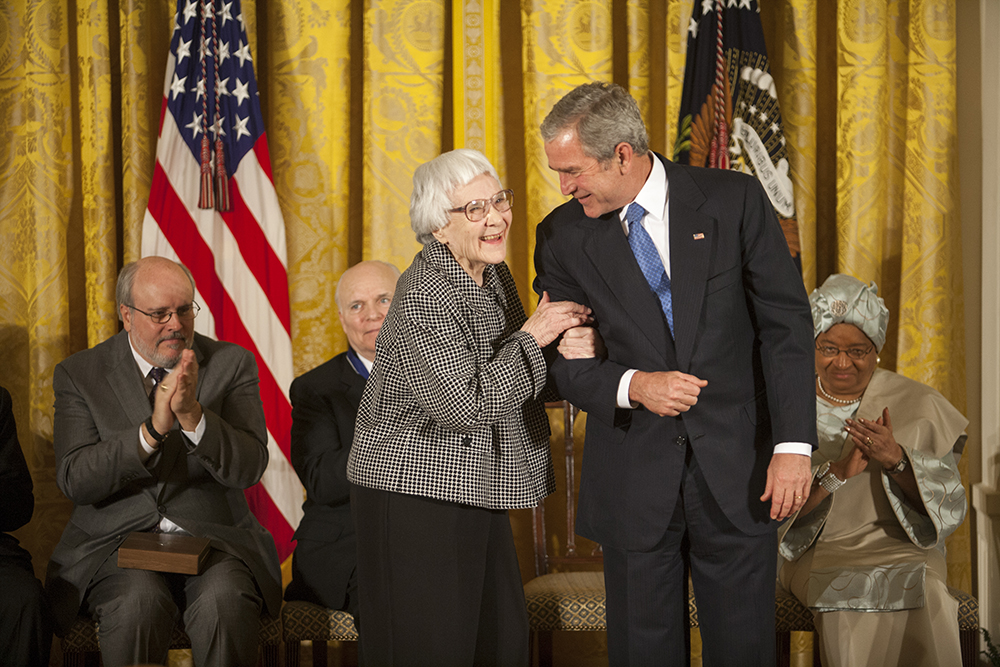


Early life and influences
Nelle Harper Lee grew up in a small Alabama town where her father worked as a lawyer and served as a local political figure. The culture, social tensions and courtroom dramas of the region informed her writing. She studied briefly at the University of Alabama and later moved to New York City to pursue a writing career. Her childhood friendships and observations of local life provided the material for many of the scenes and personalities that appear in her fiction. Interested readers can find biographical summaries and archival materials at biographical resources and author profiles such as literary overviews.
Major works and themes
To Kill a Mockingbird, published in 1959, examines racial injustice, moral growth and the complexities of empathy through the eyes of its young narrator. The novel won the Pulitzer Prize for Fiction in 1961 and was adapted into a widely seen 1962 film. Its central figures—Scout Finch, her brother Jem and their father, Atticus Finch—have become enduring figures in American culture. Lee later contributed to other projects and maintained relationships with fellow writers; further context on the novel and its adaptations is discussed at literary study guides and film and adaptation histories.
Publication history and later controversy
For decades Lee indicated she did not intend to publish another novel. In 2015 a manuscript titled Go Set a Watchman was released; it was presented as an early draft featuring many of the same characters and generated debate about whether it was a true sequel, a draft of To Kill a Mockingbird, and about the circumstances of its publication and Lee’s consent. Scholars and readers have discussed these matters at length; more information and primary documents can be consulted via publisher notes, editorial accounts and critical essays collected at academic resources.
Legacy and cultural importance
Lee’s work has been widely taught in schools and remains central to conversations about literature’s role in social change. To Kill a Mockingbird continues to be read for its portrayal of courage, legal ethics and the challenges of growing up amid prejudice. At the same time, the novel and its author have been subjects of renewed analysis and critique as readers revisit historical context, representation, and authorial intent. For curated exhibitions, legal histories and regional studies linked to Lee’s life, see museum and archive pages, regional histories, and critical bibliographies.
Notable facts: Lee largely avoided public life after her first novel, assisted other writers during her career, and spent her later years in or near her native Alabama. She died in 2016, and her books continue to provoke discussion about literature, memory and morality.
Questions and answers
Q: Who was Harper Lee?
A: Harper Lee was an American writer.
Q: When was Harper Lee born?
A: Harper Lee was born on April 28, 1926.
Q: Where was Harper Lee born?
A: Harper Lee was born in Monroeville, Alabama.
Q: What is Harper Lee most famous for?
A: Harper Lee is most famous for writing To Kill a Mockingbird.
Q: What influenced Harper Lee's writing?
A: Civil rights issues in Alabama influenced Harper Lee's writing.
Q: What were Harper Lee's interests apart from writing?
A: Harper Lee's interests apart from writing were watching politicians and cats, travelling, and being alone.
Q: Did Harper Lee ever publish another novel after To Kill A Mockingbird?
A: Throughout her life, Harper Lee had said that she would never publish another novel. However, in 2015, she announced Go Set a Watchman, a sequel to To Kill A Mockingbird.
Related articles
Author
AlegsaOnline.com Harper Lee: Life, Major Works and Cultural Legacy Leandro Alegsa
URL: https://en.alegsaonline.com/art/42531
Sources
- biography.com : "Harper Lee"
- bbc.com : "Harper Lee: US author of To Kill a Mockingbird dies aged 89"
- famousauthors.org : "" Truman Capote.""
- famousauthors.org : "" Harper Lee.""
- telegraph.co.uk : "Harper Lee: the story of her life and extraordinary career"
- shmoop.com : "Harper Lee Awards"