
Harlequin (color)
Harlequin is a vivid green-yellow hue positioned between green and chartreuse on the color wheel, named after the Harlequin costume; used in art, design, fashion, and signage for bright, attention-getting accents.
Overview
Harlequin describes a bright, high‑chroma hue that sits between pure green and chartreuse on a traditional color wheel. It reads as an intense yellowish green: more yellow than typical medium green but not as yellow as pure chartreuse. Designers and writers use the name to evoke a sharp, lively tone rather than a muted or natural green.
Image gallery
10 Images


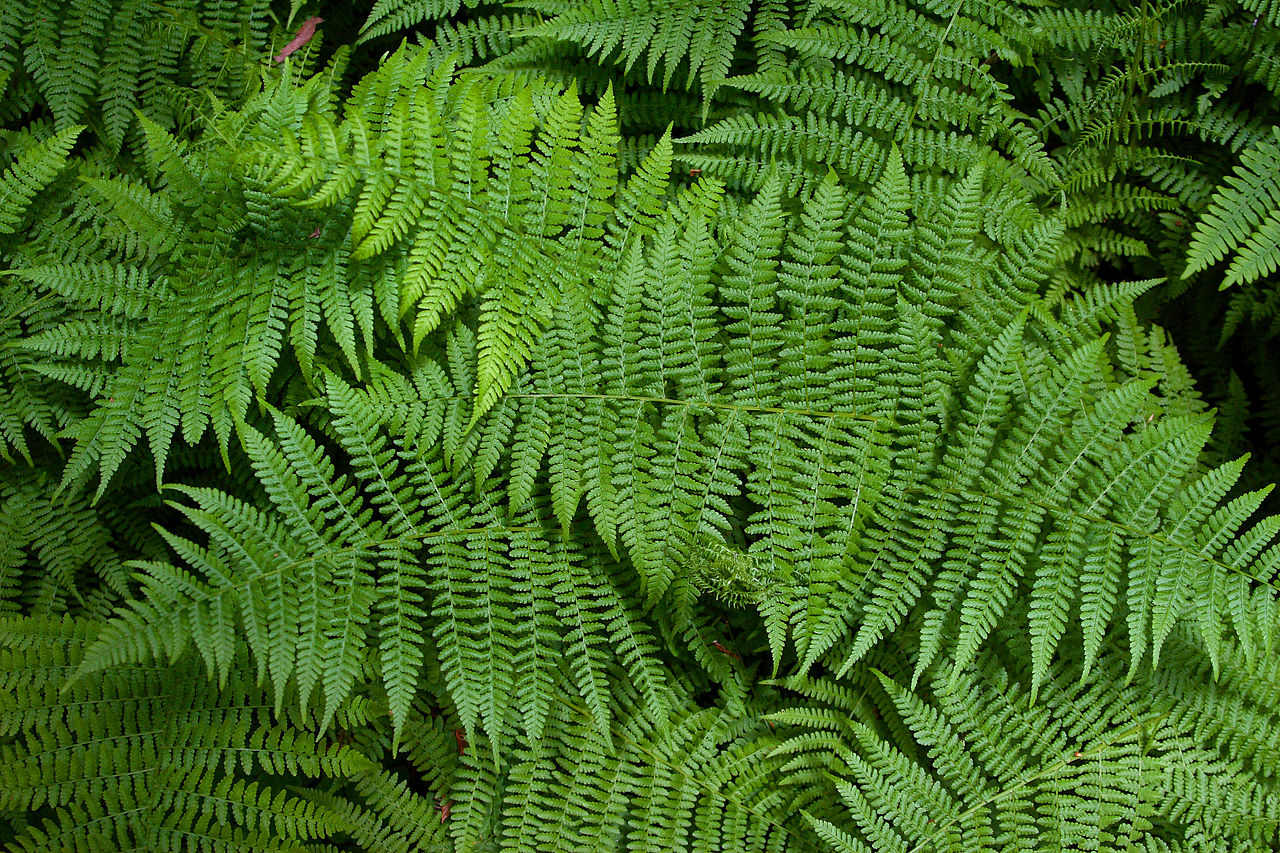
Characteristics
In color‑theory terms, harlequin occupies a position roughly midway between green and chartreuse, giving it a distinctly luminous quality. On hue wheels where green is 120° and chartreuse (also called yellow‑green) is about 90°, harlequin falls near 105° — an approximate placement rather than a fixed, universal value. Its appearance changes noticeably with light and surrounding colors: against dark backgrounds it appears electric, while against warm tones it can read more yellowish.
History and name
The name draws from the Harlequin figure of the Italian commedia dell'arte, who traditionally wore a brightly colored, diamond‑patterned costume. The term began to be used for a specific color name in the early 20th century; one source notes a first recorded use in 1923, and printed color reference books of the 1920s and 1930s illustrated the hue and placed it between green and yellow‑green on color plates. The costume association emphasizes playfulness and theatrical visibility.
Uses and examples
Harlequin is popular where high visibility and energetic impact are desired. Typical applications include stage and costume design, advertising accents, sports and team colors, fashion statements, and interior highlights. Because it is near the yellow end of green, it is also used for safety markings and signage when designers want a more vivid, less purely fluorescent appearance than safety yellow.
Related colors and distinctions
- Green — the more neutral plant‑associated hue; see green for broader context.
- Chartreuse — a yellow‑green that sits closer to yellow than harlequin; often considered brighter and yellower.
- Lime and spring green — nearby family members that can overlap visually depending on saturation and light.
Notable facts
Because “harlequin” refers both to a color and to a patterned costume, the adjective is used in two ways: to name a specific hue and to describe multicolored, diamond‑patterned designs. In digital and commercial palettes the exact shade called harlequin varies by vendor and context; designers typically select a specific swatch when consistency is required.
Questions and answers
Q: What is harlequin color?
A: Harlequin color is a hue that falls halfway between green and chartreuse green on the color wheel.
Q: What was the first book to show the color harlequin on the color wheel?
A: The first book to show the color harlequin on the color wheel was A Dictionary of Colour, which featured it on color plate 17.
Q: What is the definition of chartreuse green?
A: Chartreuse green is a color that was formerly referred to as yellow-green and is now considered a shade of green.
Q: When was harlequin first recorded as a color name in English?
A: Harlequin was first recorded as a color name in English in 1923.
Q: Is harlequin a popular color?
A: Harlequin may not be a popular color, but it is a distinctive hue that falls between green and chartreuse green.
Q: What makes harlequin color unique?
A: Harlequin color is unique because it is located precisely halfway between green and yellow-green on the color wheel.
Q: In which year did harlequin color first make an appearance in written records?
A: Harlequin color first made an appearance in written records in the year 1923.
Related articles
Author
AlegsaOnline.com Harlequin (color) Leandro Alegsa
URL: https://en.alegsaonline.com/art/42473