
Hanging Gardens of Babylon
Legendary terraced gardens from ancient Mesopotamia, attributed to Babylon and Nebuchadnezzar II; celebrated as one of the Seven Wonders but its existence and exact location remain debated.
Overview
The Hanging Gardens of Babylon are a famous monument of antiquity often listed among the Seven Wonders of the Ancient World. Classical writers described a multilevel, planted structure with terraces rising above the city, lush with trees, shrubs and vines. Traditional accounts credit construction to the Neo-Babylonian king Nebuchadnezzar II in the 6th century BCE, who is said to have created the gardens for a Median wife who missed the greenery of her homeland.
Image gallery
6 Images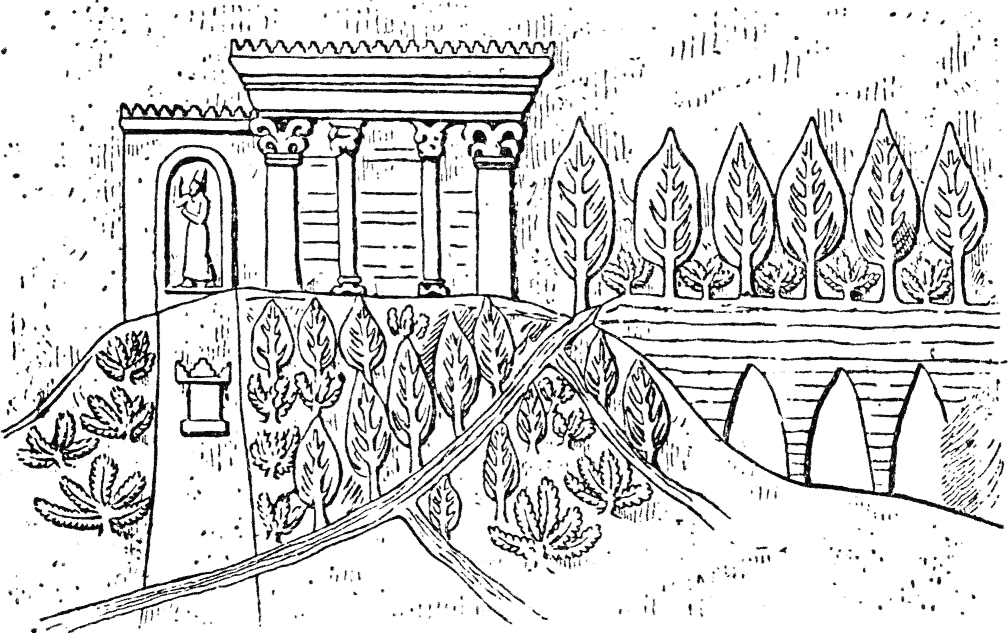



Design and distinguishing features
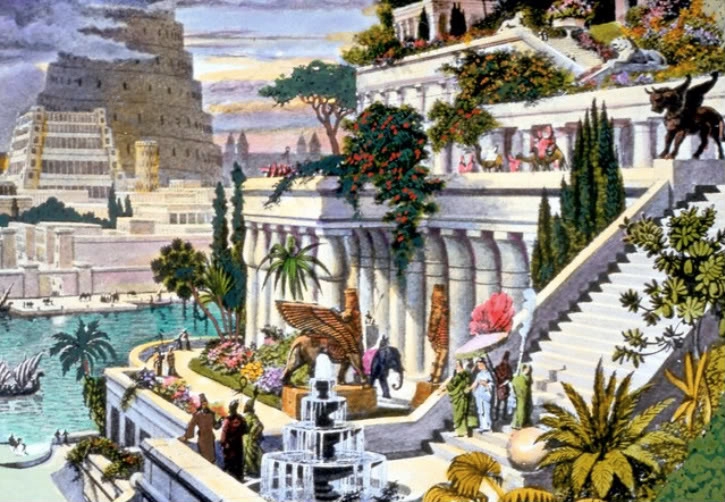
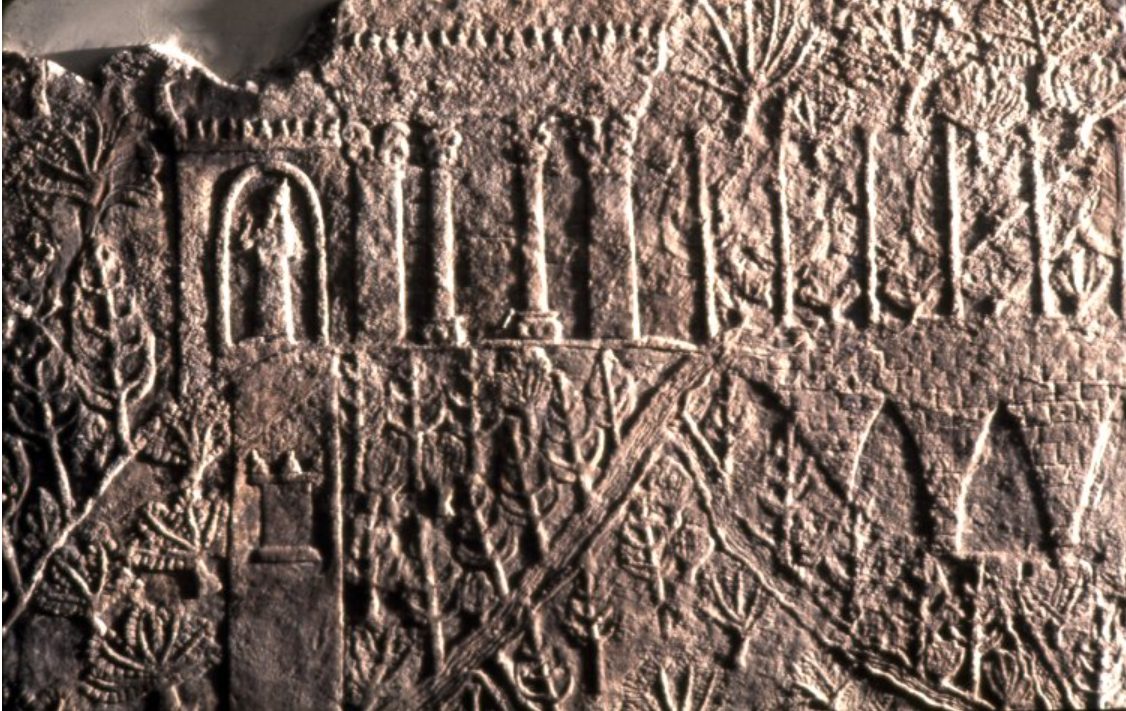
Ancient descriptions emphasize terraces and elevated planters that produced the impression of a green mountain within an otherwise arid plain. Writers mention vaulted substructures, heavy masonry, layers of waterproofing, and a variety of ornamental trees and flowering plants. Typical features attributed to the gardens include:
- Stepped terraces forming multiple levels.
- Stone or brick vaults supporting soil beds.
- Extensive use of waterproof materials and drainage to protect structures.
- Ornamental and shade trees, vines, and flowering plants to simulate a natural landscape.
Water and engineering
One of the most discussed aspects is how water would have been supplied and raised to the upper terraces. Authors refer to machines or devices that lifted water from the Euphrates or from canals into cisterns and aqueducts. Scholarly reconstructions propose a range of plausible technologies known in antiquity—such as chain pumps, bucket systems, and canal-fed cisterns—though the exact mechanism remains uncertain.
Historical sources and scholarly debate
Descriptions come primarily from later Greek and Roman writers rather than contemporary Babylonian inscriptions. For a concise survey of ancient accounts see these classical sources. The traditional site is near the ruined city of Babylon close to modern Al Hillah; more information about the site is available here. Attribution to Nebuchadnezzar II and the romantic story of Amytis are part of the conventional narrative, but modern archaeologists have not uncovered definitive remains at Babylon that match the classical descriptions. Some researchers have proposed alternative locations and builders, so the gardens' historic reality and precise form remain debated in scholarship. For later references and suggested timelines see later studies.
Legacy and significance
Whether or not they survive in physical form, the Hanging Gardens have endured as a symbol of human ingenuity and the desire to bring nature into urban life. They influenced later ideas about terraced gardens and irrigated landscapes and continue to capture popular imagination in literature and the arts. The uncertainty surrounding their archaeological footprint makes the gardens a lasting subject of historical inquiry as well as cultural myth.
Questions and answers
Q: What were the Hanging Gardens of Babylon?
A: The Hanging Gardens of Babylon were one of the Seven Wonders of the World that consisted of a series of terraced gardens.
Q: Who built the Hanging Gardens of Babylon?
A: Nebuchadnezzar II, a king of Babylon, is said to have built the Hanging Gardens of Babylon.
Q: When were the Hanging Gardens of Babylon built?
A: The Hanging Gardens of Babylon were built around 600 BC.
Q: Why were the Hanging Gardens of Babylon built?
A: Nebuchadnezzar II built the Hanging Gardens of Babylon to please his wife, Amytis of Media, who wanted to see the trees and plants of her homeland.
Q: What happened to the Hanging Gardens of Babylon?
A: The Hanging Gardens of Babylon were destroyed in an earthquake after the 1st century BC.
Q: Where were the Hanging Gardens of Babylon located?
A: The Hanging Gardens of Babylon were located in Babylon, which is near present-day Al Hillah in Iraq.
Q: How many wonders of the world did the Hanging Gardens of Babylon belong to?
A: The Hanging Gardens of Babylon were one of the Seven Wonders of the World.
Related articles
Author
AlegsaOnline.com Hanging Gardens of Babylon Leandro Alegsa
URL: https://en.alegsaonline.com/art/42203