
Handstand: Technique, Variations, History and Uses
A handstand is a controlled inversion balancing the body on the hands. This article explains technique, common variations, historical and cultural uses, training methods and safety considerations.
Overview
A handstand is an inverted body position in which a person supports their weight on their hands with the body extended vertically. Proper handstands require a combination of balance, shoulder stability, wrist strength and core control so the legs and torso remain aligned over the hands. While often associated with gymnastics, the skill appears across many movement arts and recreational activities.
Image gallery
6 Images
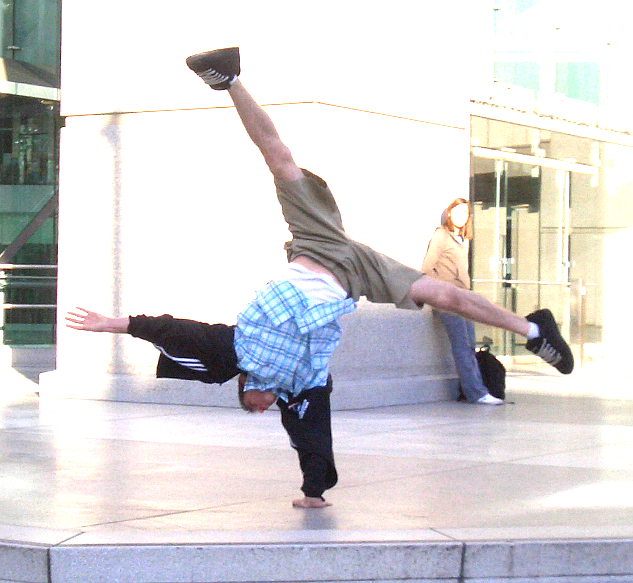
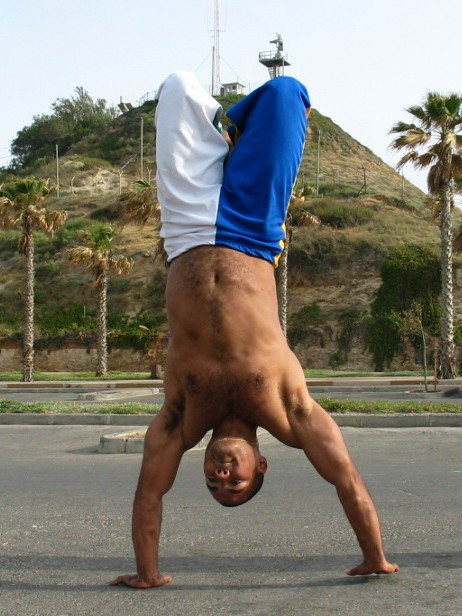
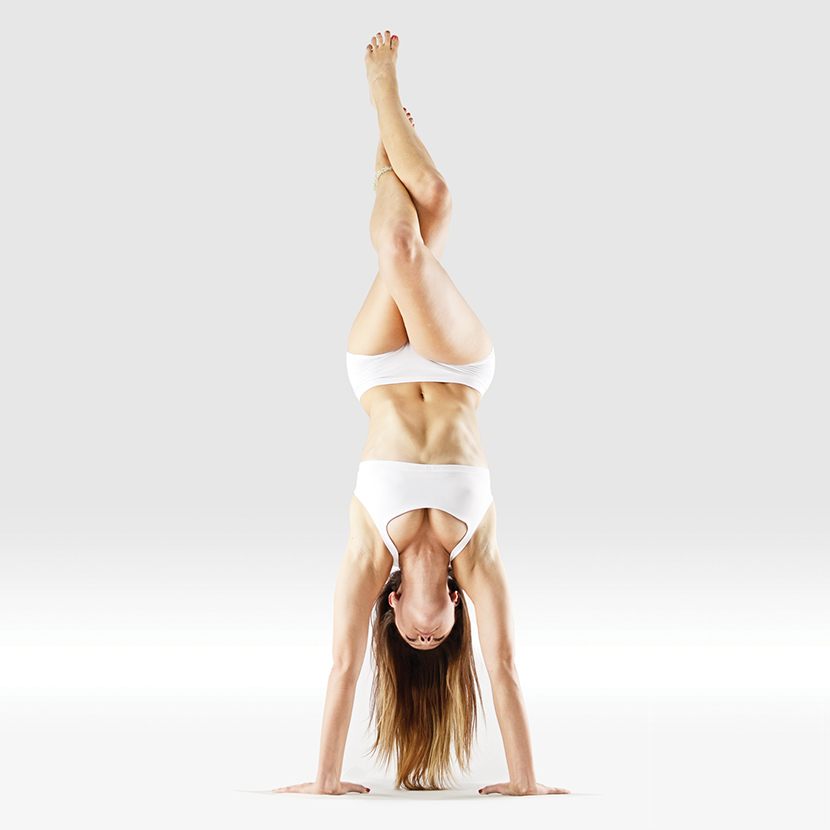


Mechanics and basic technique
Key elements include hand placement (roughly shoulder-width), active shoulder elevation, a straight or hollowed torso, and leg alignment. Many practitioners emphasize a slight arch through the shoulders and a controlled engagement of the fingers to correct balance. Beginners often learn against a wall, progressing to freestanding holds when they can maintain midline control and recover from small deviations.
Common variations and related moves
- Freestanding handstand: held without external support, often the primary training goal.
- Wall handstand: back-to-wall or stomach-to-wall drills for confidence and alignment.
- Press handstand: lifting from the ground to vertical using strength and flexibility.
- One-arm handstand: an advanced balance variant requiring exceptional stabilization.
- Handstand in locomotion: walking on the hands or transitioning into other elements.
History, names and cultural contexts
Handstands appear in the histories of acrobatics and dance, often as a demonstration of strength and balance. In yoga the pose is called Adho Mukha Vrksasana and is practiced as a challenging inversion to cultivate focus and upper-body awareness; see yoga. In capoeira the position is known as bananeira and features in flow and escape techniques; see capoeira.
Applications and examples
Handstands are fundamental in many disciplines. Gymnasts use them on floor, beam and as transitions in routines; learn more in gymnastics. Acrobatics and acro dance incorporate handstands for balances and partner work: see acrobatics. Breakdancers employ handstands in freezes and dynamic moves; see breakdancing. Divers sometimes begin dives from a handstand platform start; see diving. All of these contexts emphasize different balances between strength, control and aesthetics.
Training progression and safety
Safe progress begins with wrist mobility and strengthening, shoulder conditioning, and learning fall and exit strategies. Common drills include wall holds, shoulder taps, hollow-body training and assisted spot drills. Injury risks—wrist sprains, shoulder strain and falls—are reduced by gradual loading, quality coaching and attention to posture. Many athletes combine handstand practice with complementary conditioning like planks, push strength work and mobility exercises.
Questions and answers
Q: What is a handstand?
A: A handstand is the act of holding the body upside down balancing on the hands.
Q: What is required to perform a handstand?
A: A handstand performer must have balance and upper body strength.
Q: In which activities are handstands commonly used?
A: Handstands are used in many activities, including acro dance, acrobatics, cheerleading, gymnastics, breakdancing, and diving.
Q: How are handstands used in gymnastics?
A: Some types of handstand are performed on all gymnastic equipment. Many tumbling skills pass through a handstand position as part of the action.
Q: What is the yoga name for a handstand?
A: In yoga, the handstand is known as Adho Mukha Vrksasana, translating to Downward-facing Tree Pose.
Q: What is the capoeira name for a handstand?
A: In capoeira, the handstand is named bananeira.
Q: How are handstands used in swimming?
A: In games or contests, swimmers will sometimes do underwater handstands on pool bottoms with legs and feet extended above the water.
Related articles
Author
AlegsaOnline.com Handstand: Technique, Variations, History and Uses Leandro Alegsa
URL: https://en.alegsaonline.com/art/42191
Sources
- books.google.com : The complete idiot's guide to yoga
- lostartofhandbalancing.com : "Different Styles of Handstands"