
Hampshire College — experimental liberal arts college in Amherst, Massachusetts
Private, undergraduate liberal arts college in Amherst known for student-designed programs, narrative evaluation, interdisciplinary study and membership in the Five Colleges consortium.
Hampshire College is a private undergraduate liberal arts college located in Amherst, Massachusetts. It was created as an alternative model of higher education emphasizing student-directed learning, interdisciplinary study and close mentorship. The college’s motto, Non Satis Scire, is often rendered in English as “to know is not enough” (motto source).
Image gallery
10 Images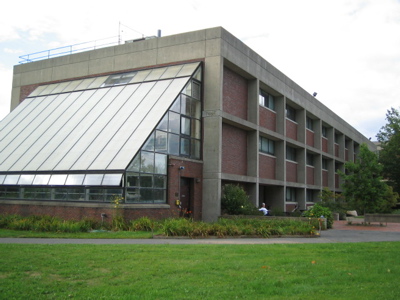





Academics and organization
Hampshire does not organize teaching around traditional majors and departments. Instead, students design individualized programs of study, pursue evaluations rather than conventional grades, and complete a substantial independent project in their final year. The curriculum is usually described in three stages—introductory exploration, focused coursework, and a culminating self-directed project—allowing flexibility and cross-disciplinary experimentation.
Key characteristics
- Student-designed concentrations and interdisciplinary learning rather than fixed majors.
- Emphasis on narrative evaluations and portfolios in place of standard letter grades.
- Strong collaboration with nearby institutions through the Five Colleges consortium, enabling cross-registration and shared resources.
History and development
The college emerged in the late 20th century as an educational experiment intended to break from conventional structures. Founders and early planners sought to create a small, selective institution that prioritized individualized pedagogy, innovation in curriculum design, and community-based inquiry. Over time Hampshire has attracted faculty and students interested in alternative approaches to scholarship and creative practice.
Campus, community and partnerships
Hampshire’s campus sits in the Connecticut River valley and shares cultural and academic ties with other local institutions. Membership in the Five Colleges consortium expands course offerings, library access and extracurricular collaborations. The campus culture tends to be informal, intellectually driven and oriented toward project-based learning and public engagement.
Distinctive features and legacy
The college is widely noted for its experimental structure, the central role of independent projects, and its narrative evaluation system. Leadership over the years has included a range of presidents; among recent leaders was Ralph Hexter. Hampshire’s model has influenced discussions about curricular reform and alternatives to standard grading in higher education. Prospective students often consider the college for its autonomy, small community, and emphasis on self-directed scholarship—characteristics that make it distinct within the U.S. liberal arts landscape. For official information and admissions guidance visit Hampshire College.
Questions and answers
Q: What is Hampshire College?
A: Hampshire College is a private liberal arts college located in Amherst, Massachusetts.
Q: Who is the current president of Hampshire College?
A: The current president of Hampshire College is Ralph Hexter.
Q: What does the Latin phrase "Non Satis Scire" mean?
A: The Latin phrase "Non Satis Scire" translates to "to know is not enough."
Q: What type of college is Hampshire College?
A: Hampshire College is a private liberal arts college.
Q: Where is Hampshire College located?
A: Hampshire College is located in Amherst, Massachusetts.
Q: What is the motto of Hampshire College?
A: The motto of Hampshire College is "Non Satis Scire," which means "to know is not enough" in Latin.
Q: Who is the president of Hampshire College?
A: The current president of Hampshire College is Ralph Hexter.
Related articles
Author
AlegsaOnline.com Hampshire College — experimental liberal arts college in Amherst, Massachusetts Leandro Alegsa
URL: https://en.alegsaonline.com/art/42104