
Halo 3
Halo 3 is a 2007 first-person shooter developed by Bungie for Xbox 360 that concludes the original Halo trilogy, notable for its campaign, online multiplayer, Forge map editing and strong commercial reception.
Overview
Halo 3 is a first-person shooter released in late September 2007 for the Xbox 360. Developed by Bungie and published by Microsoft, it concludes the narrative arc begun in Halo: Combat Evolved and continued in Halo 2. Players control the super-soldier Master Chief in a science-fiction setting, combining vehicular combat, infantry encounters, and set-piece missions. The game is widely remembered for its campaign, its competitive and cooperative multiplayer, and the tools that allowed players to create and share custom maps and game types.
Image gallery
7 Images





Gameplay and features
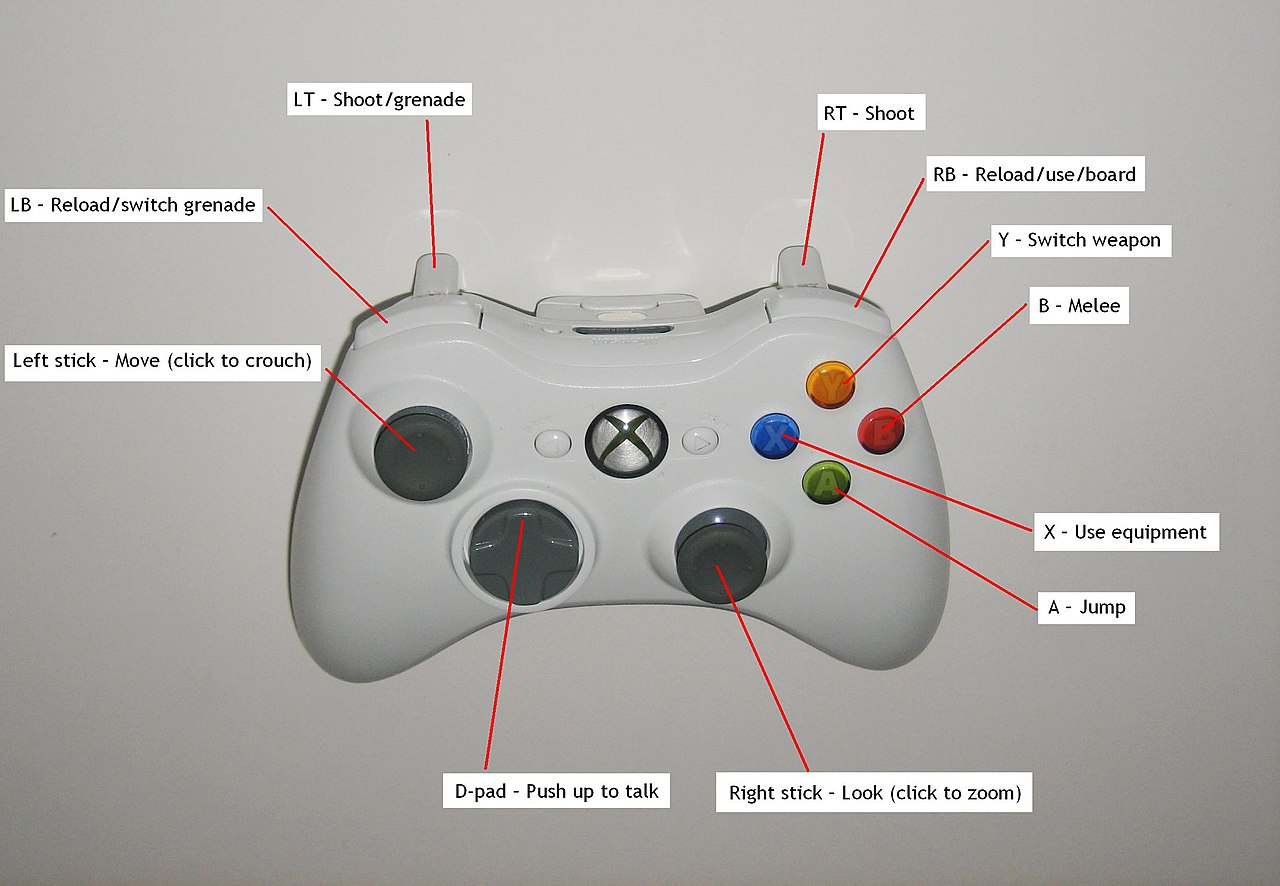
The core gameplay follows the series' mix of weapon-based combat, shields and health mechanics, and a variety of vehicles. Halo 3 expanded the weapon and vehicle roster and introduced new equipment items that changed tactical play. Its multiplayer emphasized matchmaking, ranked playlists, and map rotation via Xbox Live, supporting private matches and large online communities. Post-launch updates and built-in tools added map editing (Forge) and cinematic replay (Theater), which increased longevity by enabling community-created content and shared replays.
Story and setting
The single-player campaign completes the trilogy’s principal storyline about humanity's conflict with a coalition of alien species known as the Covenant, and the larger threats tied to the Halo installations. The narrative centers on Master Chief and his allies as they attempt to stop a galaxy-spanning cataclysm and resolve the fate of key characters introduced in earlier titles. Campaign missions range from open, vehicle-based battlegrounds to more confined, narrative-driven encounters.
Development and release
Bungie developed Halo 3 specifically for the Xbox 360 hardware, aiming to expand multiplayer systems and cinematic presentation while polishing single-player pacing. The game launched worldwide in late September 2007 and shipped in large numbers to meet anticipated demand. Microsoft supported Halo 3 with updates, downloadable content, and community-focused features designed to integrate with Xbox Live’s social and competitive services.
Reception and legacy
Critically, Halo 3 was well received for its design, balance, and production values. It achieved high review scores and strong commercial performance, selling millions of copies and becoming one of the defining titles of its console generation. Its multiplayer and user-created content systems influenced subsequent shooters and helped sustain Halo as a major franchise through sequels, expanded media, and a long-running esports and community scene.
Notable facts and distinctions
- Trilogy finale: Halo 3 finishes the original storyline that began with Halo: Combat Evolved.
- Community tools: Forge and Theater fostered player creativity and replayability.
- Online impact: Its Xbox Live integration popularized ranked matchmaking and large-scale online lobbies for console shooters.
- Cultural reach: The game contributed to mainstream recognition of console multiplayer and was a commercial benchmark for its release period.
Further reading and sources
- Official product page
- Game overview and technical details
- Developer: Bungie
- Platform: Xbox 360
- Series timeline and story summaries
- Halo series main entry list
- Predecessor: Halo 2
- European release details
- Japanese release details
- The Covenant and alien factions
- Human forces and UNSC background
- Character: Master Chief
- Spartan program and supersoldier concept
- Military and gameplay roles
- Allied characters and AI companions
- Vehicle classes and examples
- Weapon types and loadouts
- Sales and commercial performance summaries
- Xbox Live and online player activity
- Critical aggregation and reviews
- Contemporary press coverage and analysis
Questions and answers
Q: What video game is being discussed?
A: The video game being discussed is Halo 3.
Q: Who developed and published the game?
A: The game was developed by Bungie Studios and published by Microsoft.
Q: When was the game released?
A: Halo 3 was released on September 25, 2007 all over the world except Europe and Japan where it was released on September 26.
Q: How many copies of the game were made for its first day of sales?
A: Microsoft made 4.2 million copies of Halo 3 for its first day of sales.
Q: What is the story based around in this game?
A: The story is based around a future war between a fictional alien race known as "the Covenant" and the human race. The player takes the role of Master Chief, a genetically enhanced "super soldier" who fights for the human race with help from marines and another alien race known as "the elites".
Q: How much money did sales add up to in its first week?
A: Sales of the game added up to over $900 billion USD in its first week.
Q: What rating did it receive on Metacritic?
A:It received a 94 out of 100 rating on Metacritic, a website that puts many reviews together and gives an average score.
Related articles
Author
AlegsaOnline.com Halo 3 Leandro Alegsa
URL: https://en.alegsaonline.com/art/41967
Sources
- bungie.net : "Halo 3 Announced"
- bungie.net : "Finish the Fight on September 25, 2007"
- uk.gamespot.com : "Analyst: 4.2M Halo 3s already at retail"
- uk.reuters.com : "Microsoft says "Halo" 1st-week sales were $300 mln"
- informationweek.com : "Halo 3 Sales Smash Game Industry Records"
- uk.gamespot.com : "MS: 17.7 million 360s sold"
- gamasutra.com : "NPD: 2007 U.S. Game Industry Growth Up 43% To $17.9 Billion"
- metacritic.com : "Halo 3"
- 1up.com : "Halo 3 - what's new?"
- nikon.bungie.org : "Bungie update 08/03/07"
- bungie.net : "Saved Films and file share"
- bungie.net : "The truth out co-op in Halo 3"
- bungie.net : "Get the Most Out of your Skulls"
- bungie.net : "Rank history for Insert Hypanova"