
Haakon VII — King of Norway (1905–1957)
Haakon VII, born Prince Carl of Denmark, was Norway’s king from 1905 to 1957; a constitutional monarch known for his role in establishing a modern Norwegian monarchy and for wartime leadership and resistance in WWII.
Overview
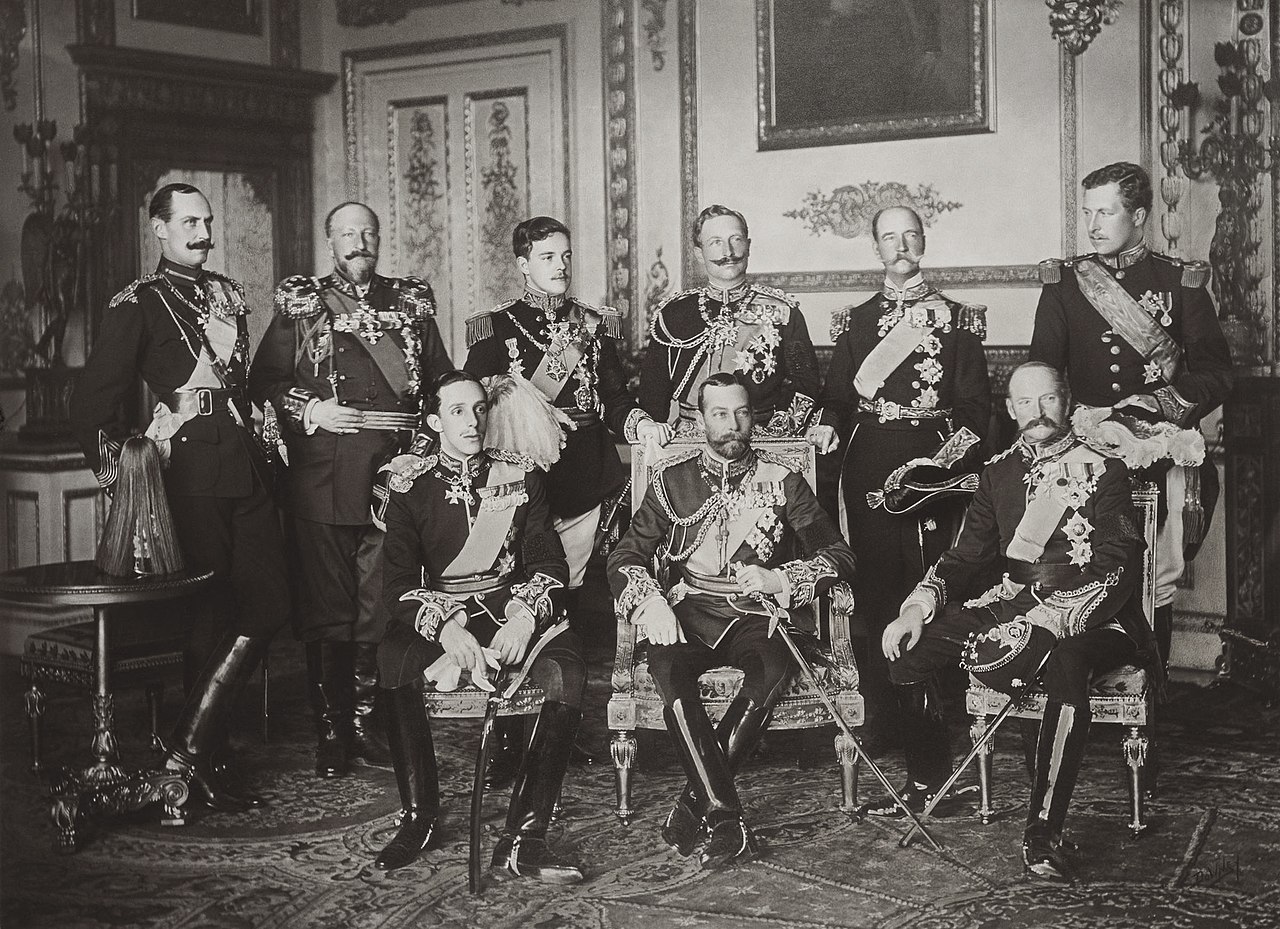
Haakon VII reigned as King of Norway from 1905 until his death in 1957. Born Prince Carl of Denmark in 1872 in Copenhagen, he was the son of the future Frederick VIII of Denmark. He trained at the Royal Danish Naval Academy and served in the Danish navy before being invited to become Norway’s monarch following the dissolution of the union with Sweden in 1905. Upon accepting the Norwegian throne he took the regnal name Haakon, linking his reign with Norway’s medieval royal traditions.
Image gallery
10 Images




Selection and Early Reign
After Norway’s break from the union with Sweden, a national referendum and political negotiations led to the offer of the crown to Prince Carl. His marriage to Princess Maud of Wales, daughter of the British royal family, helped secure international support. As a foreign-born monarch who adopted Norwegian nationality and a historic royal name, he helped legitimate the new independent monarchy and provided a steadying presence as Norway built its institutions.
Constitutional Role and Domestic Impact
Haakon VII presided over a constitutional monarchy in which executive power was exercised by elected ministers. He became known for respecting parliamentary rule while serving as a unifying national symbol. During his long reign Norway underwent modernization of its economy, expansion of social services, and consolidation of democratic practices. His personal integrity and modest public style contributed to the monarchy’s popularity.
World War II and Leadership in Exile
During the German invasion of Norway in 1940, Haakon VII rejected demands to appoint a compliant government and ultimately left the country to continue resistance from abroad. From London he remained the moral embodiment of Norwegian independence, communicating with his people through radio broadcasts and working with the government-in-exile. His stance during the war strengthened his stature as a symbol of national unity and resistance.
Later Years and Legacy
Returning to Norway after the war, Haakon continued to reign until his death in 1957. He was succeeded by his son, who became King Olav V. Haakon’s legacy includes the solidification of the modern Norwegian monarchy, widespread public esteem for the royal family, and numerous institutions, memorials and place names that recall his role in 20th-century Norwegian history.
Notable Facts
- Birth name: Prince Carl of Denmark; birth year 1872.
- Reign: 1905–1957, first monarch of independent Norway after the 1905 dissolution.
- Married Princess Maud of Wales; father of the future King Olav V.
- Recognized for wartime leadership and for strengthening the constitutional monarchy.
For further reading about his life and the era he shaped, see general historical summaries and archival sources via national and royal collections (searchable through resources such as official Norwegian sites and related historical portals).
Questions and answers
Q: Who was Haakon VII?
A: Haakon VII was the King of Norway from 1905 until his death in 1957.
Q: What was Haakon VII's origin?
A: Haakon VII was originally a Danish prince.
Q: Where was Haakon VII born?
A: Haakon VII was born in Copenhagen.
Q: Who were Haakon VII's parents?
A: Haakon VII's parents were the future Frederick VIII of Denmark and Louise of Sweden.
Q: What was Haakon VII's educational background?
A: Haakon VII was educated at the Royal Danish Naval Academy.
Q: What was Haakon VII's occupation before becoming king?
A: Before becoming king, Haakon VII served in the Royal Danish Navy.
Q: When did Haakon VII die?
A: Haakon VII died in 1957.
Related articles
Author
AlegsaOnline.com Haakon VII — King of Norway (1905–1957) Leandro Alegsa
URL: https://en.alegsaonline.com/art/41653