
Angela Burdett-Coutts — 19th‑century British philanthropist
Wealthy heiress who became Baroness Burdett‑Coutts and funded housing, education, relief and cultural causes across Britain and abroad during the Victorian era.
Angela Georgina Burdett‑Coutts (1814–1906) was a leading Victorian philanthropist and social benefactor. Born to Sir Francis Burdett and Sophia Coutts, she inherited the Coutts banking fortune in 1837 and received royal permission to combine her family names. With substantial independent wealth she supported a wide variety of charitable projects for more than half a century and in 1871 was raised to the peerage as Baroness Burdett‑Coutts, a rare honour for a woman of her time.
Image gallery
5 Images

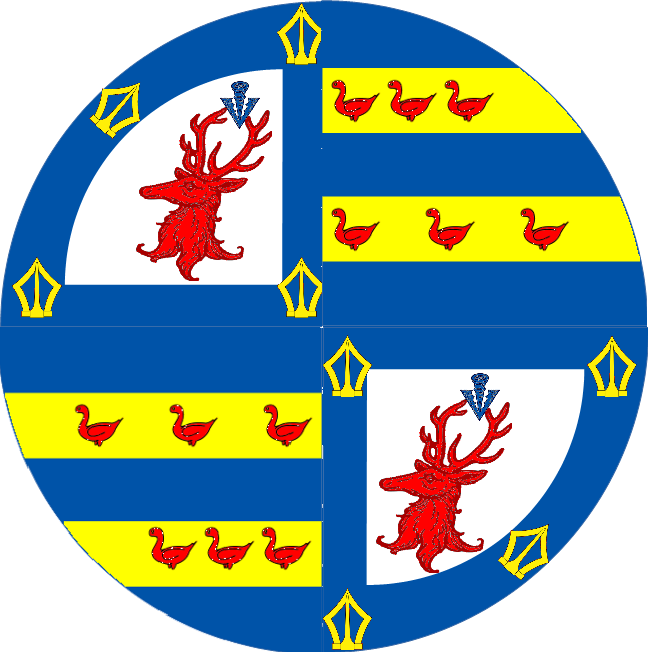


Early life and inheritance
Angela grew up in a politically active and well‑connected family; her maternal grandfather was the banker Thomas Coutts. On inheriting his estate she became one of the richest women in Britain and used this financial independence to pursue public causes rather than a conventional social life. She retained a private household while directing grants, endowments and personal attention to problems of urban poverty, education and public health.
Philanthropy and public work
Burdett‑Coutts worked across many fields and often preferred hands‑on involvement to anonymous giving. Her interests included improving housing and food supply in London's East End (notably projects such as the Columbia Market), founding and supporting schools and scholarships, funding medical relief and convalescent care, and backing institutions that aided women and children in distress. She also supported artists, scientific endeavours and campaigns for animal welfare. Where useful, she collaborated with contemporary figures and institutions to pilot new social responses.
Approach and notable initiatives
- Practical urban improvement: financed markets, model dwellings and sanitation projects to address overcrowding and poor nutrition.
- Education and the arts: endowed schools, scholarships and cultural projects to widen access to learning.
- Social reform: supported homes and rehabilitation schemes for vulnerable women and children, sometimes in partnership with well‑known literary and social reformers.
- International relief: contributed to famine relief, missionary and educational work beyond Britain, reflecting a broad humanitarian outlook.
Her giving combined large donations with attention to administration and long‑term sustainability; she often established trusts or ongoing funds to ensure continued operation of projects she began.
Personal life, title and legacy
Remarkably for the period, Angela married late in life: in her late sixties she wed William Lehman Ashmead Bartlett, an American‑born associate who later adopted her surname and entered public life. The marriage produced no children. Created a baroness in 1871, she remained an active public figure until her death in 1906. Her wealth and choices helped shape Victorian charitable practice, encouraging organized, project‑based philanthropy and greater public attention to urban social problems. Historians remember her both for the scale of her gifts and for seeking practical solutions rather than mere relief.
For more detailed biographies and archival material see further reading.
Questions and answers
Q: Who was Angela Georgina Burdett-Coutts?
A: Angela Georgina Burdett-Coutts was a philanthropist in the nineteenth century.
Q: Who were Angela Georgina Burdett-Coutts' parents?
A: Sir Francis Burdett, 5th Baronet and Sophia Coutts, daughter of Thomas Coutts the banker were her parents.
Q: How did Angela Georgina Burdett-Coutts become the wealthiest woman in England?
A: Angela Georgina Burdett-Coutts became the wealthiest woman in England when she inherited her grandfather's fortune of nearly three million pounds sterling in 1837.
Q: What was the reason behind Angela Georgina Burdett-Coutts' name change?
A: Angela Georgina Burdett-Coutts got a Royal Licence (permission from the monarch) to join her father's and grandfather's surnames and became Angela Burdett-Coutts.
Q: When did Angela Georgina Burdett-Coutts get married?
A: Angela Georgina Burdett-Coutts did not get married until she was 67.
Q: Who did Angela Georgina Burdett-Coutts marry?
A: Angela Georgina Burdett-Coutts married her 29-year-old secretary, the American born William Lehman Ashmead Bartlett, who later became MP for Westminster on 12 February, 1881.
Q: Did Angela Georgina Burdett-Coutts have any children?
A: No, Angela Georgina Burdett-Coutts did not have any children.
Related articles
Author
AlegsaOnline.com Angela Burdett-Coutts — 19th‑century British philanthropist Leandro Alegsa
URL: https://en.alegsaonline.com/art/4117
Sources
- historic-uk.com : Man's Best Friend - Greyfriars Bobby
- historic-uk.com : Historic UK
- es.ucl.ac.uk : www.es.ucl.ac.uk
- thegazette.co.uk : "No. 23741"