
Group home: shared residential care for people with support needs
A group home is a shared private residence that provides housing and daily support to unrelated people who need supervision, rehabilitation, or long‑term assistance while living in the community.
Overview
A group home is a private residence where unrelated people with similar support needs live together and receive supervision or services in a domestic setting. These homes are used in many countries; in the United States and elsewhere they expanded after the wave of deinstitutionalization in the mid‑20th century, particularly during and after the 1970s. Prior to that shift, many people who now live in group homes were housed in long‑term institutions such as psychiatric hospitals or large congregate settings like orphanages.
Image gallery
1 Image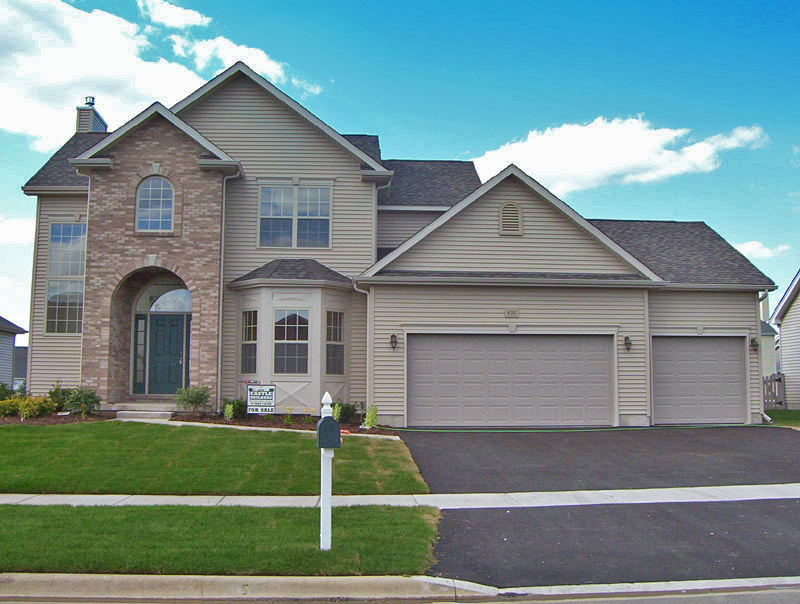
Who lives in group homes
Residents typically share common challenges or needs and benefit from a supervised, communal living arrangement. Common resident groups include:
- People recovering from substance use disorders, such as recovering drug addicts.
- Persons with intellectual or developmental disabilities.
- Youths who have been abused or neglected.
- Young people involved with the juvenile or criminal justice systems.
- Children placed temporarily while the foster system arranges longer‑term care (foster care placements).
Group homes may also serve a mixed population. They differ from a halfway house in purpose and regulations: halfway houses often focus on reentry after incarceration or acute addiction treatment, while group homes offer more general residential supports and encourage residents to contribute to household tasks and financial management, such as helping to plan a household budget.
Typical features and rights
Most group homes house a small number of people—commonly between 3 and 16—and include on‑site staff or a resident manager who coordinates care, safety, and daily routines. Residents may have private or shared bedrooms and use shared facilities like a kitchen, laundry, and a bathroom. Many programs support residents to exercise civic rights and pursue ordinary life goals: in most jurisdictions people living in group homes can still vote and may attend university or other educational programs while living there.
History, regulation and community response
The rise of group homes is tied to policy changes that favored community‑based care over large institutions. This trend aimed to improve quality of life, encourage independence and reduce isolation. Group homes operate under a variety of regulatory frameworks that govern licensing, staffing ratios, health and safety standards, and funding sources (public, private, or charitable). Their opening can sometimes provoke local opposition from neighbours concerned about safety or property values; policymakers and advocates respond with education, zoning rules, and oversight to balance community concerns with residents’ rights.
Uses, benefits and challenges
Group homes provide a transitional or permanent environment that combines housing with support services: personal care, medication supervision, counseling, skill development, vocational help and social activities. Benefits include greater privacy and community integration than institutions, opportunities to learn everyday living skills, and peer support. Challenges include ensuring consistent quality, adequate staffing, sustainable funding and protecting residents’ autonomy and privacy. Diverse models exist—from highly structured therapeutic homes to more independent supported living—so outcomes depend on program design, oversight and the match between residents’ needs and services provided.
Further information
Those seeking more detail about local rules, licensing or placement options should consult regional social services, disability or mental health agencies and community organizations. For comparative information and policy analysis see government and advocacy resources linked from trusted local pages such as service directories and public health guidance (national resources, professional organizations, and community support networks).
Questions and answers
Q: What is a group home?
A: A group home is a private house that serves as a home for people who are not in the same family but have a common characteristic, such as needing social assistance or being unable to live alone or without proper care for safety reasons.
Q: How many residents typically live in a group home?
A: There are typically from 3 to 16 residents in a group home, as well as a resident manager or service staff.
Q: How do the residents of a group home usually help maintain the household?
A: The residents of a group home usually have to help maintain the household by doing chores or helping to manage a budget.
Q: Is there any restriction on who can stay in a group home?
A: No, there is no restriction on who can stay in a group home; it is different from halfway houses which are restricted to recovering addicts and convicted criminals.
Q: Are people allowed to vote and attend university while living in a group homes?
A: Yes, people are still allowed to vote and attend university while living in most countries' group homes.
Q: What kind of facilities do the residents of the Group Home share?
A: Residents of Group Homes share facilities such as laundry, bathroom, kitchen and common living areas.
Q: Why might neighbors oppose opening up new Group Homes nearby?
A: Neighbors may oppose opening up new Group Homes nearby because they fear that it will lead to an increase in crime and/or decrease property values.
Related articles
Author
AlegsaOnline.com Group home: shared residential care for people with support needs Leandro Alegsa
URL: https://en.alegsaonline.com/art/41049
Sources
- queenspress.com : "Southeast Queens PRESS - Feature"