
Ground squirrel
Ground squirrels are terrestrial members of the squirrel family, including marmots; they build burrows, form social colonies, hibernate in cold climates, and play notable ecological and historical roles.
Overview
Ground squirrels are a collective name for several genera of squirrels that live primarily on or under the ground rather than in trees. They belong to the family Sciuridae and include a variety of species such as marmots, prairie dogs, and several genera commonly called ground squirrels. These animals are members of the larger group of rodents and are a subset of the broader category of squirrels. Ground-dwelling habits, robust bodies, and strong digging limbs distinguish them from tree-dwelling relatives.
Image gallery
10 Images
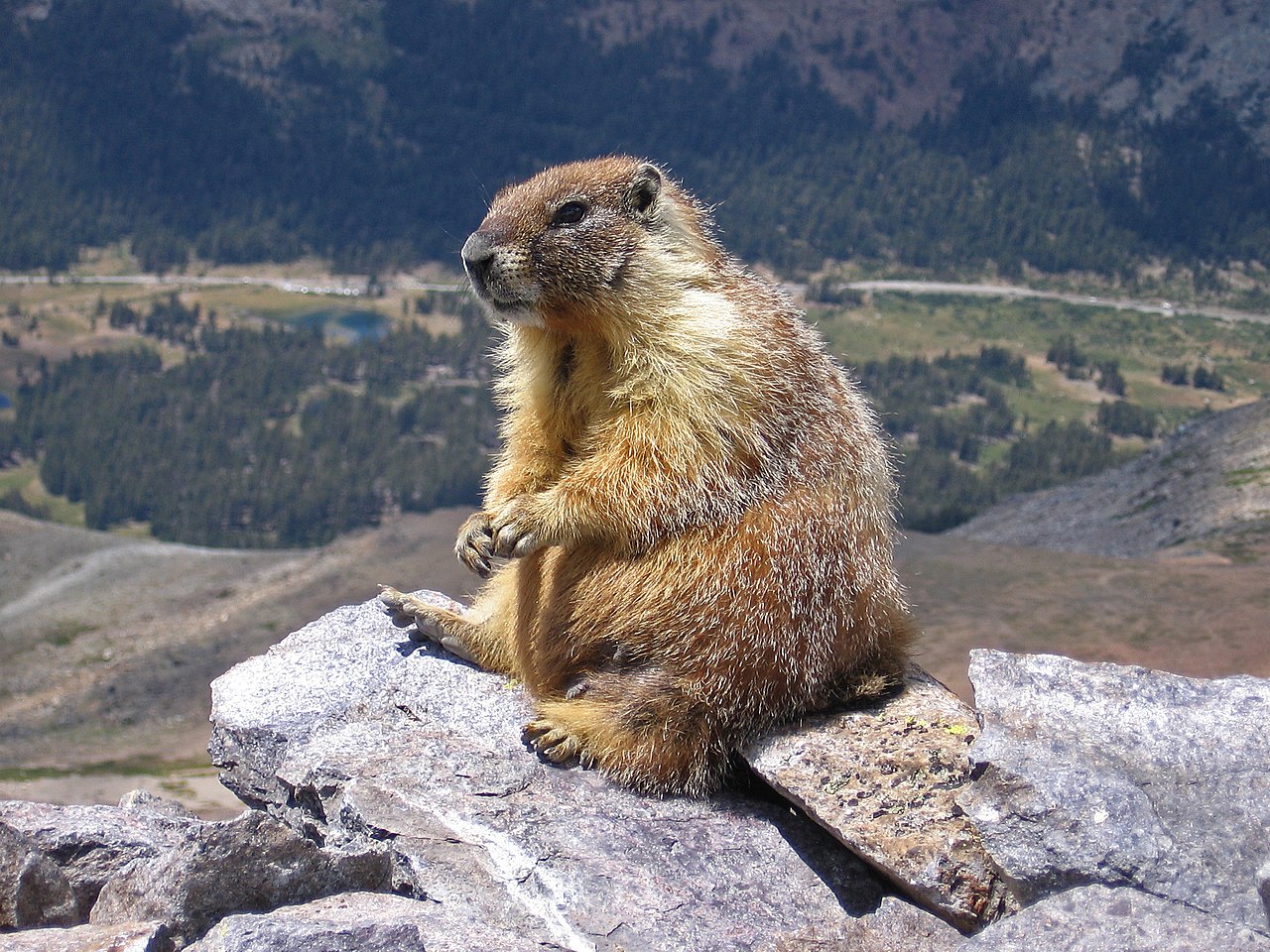


Characteristics and behavior
Many ground squirrel species are medium to large rodents with short tails relative to tree squirrels. They commonly stand alert on their hind legs to scan for predators and communicate with sharp calls or whistles. Social structure ranges from solitary species to highly social, colony-living animals. Typical behaviors include:
- Excavating extensive tunnel systems for shelter and rearing young;
- Foraging on seeds, roots, insects, and green vegetation;
- Using alarm vocalizations to warn group members of danger;
- Seasonal fat accumulation in preparation for inactive periods in colder climates.
Habitat and distribution
Ground squirrels occupy a wide range of habitats from alpine meadows to dry grasslands. Some marmot species live at high elevations: for example, marmots are common in the Sierra Nevada (Sierra Nevada) and have well-known populations in the European Alps. Other ground squirrels inhabit prairies, steppe, and scrublands. Their burrows, or burrows, serve multiple functions—nesting, protection from weather and predators, and communal living in some species.
Hibernation and social life
Hibernation is typical for many temperate-zone species: they hibernate through the cold season, lowering metabolism and conserving fat reserves. Social arrangements vary: marmots and prairie dogs often form complex colonies with division of duties such as sentry behavior, while other ground squirrels remain more solitary. Communication through whistles and calls helps maintain group cohesion and alert others to threats.
Human interactions and historical notes
Ground squirrels influence ecosystems as prey for predators, as seed dispersers, and as ecosystem engineers through their digging. In human history and disease ecology they have also been noted. While rats and their fleas are often implicated in urban plague outbreaks, some historians and epidemiologists have suggested that wild rodents, including marmots, may have played roles in the spread of the bubonic plague during past epidemics, especially in central Eurasia. This discussion contrasts with the traditional focus on commensal rats in medieval European accounts of the Middle Ages, and remains an active area of research rather than settled fact.
Notable species and distinctions
Ground squirrels include a variety of well-recognized groups: prairie dogs (genus Cynomys), marmots (genus Marmota), and several ground squirrel genera such as Spermophilus and Otospermophilus. The Alpine marmot, for example, is one of the largest living members of the squirrel family and is often cited in comparisons of size and sociality. Distinguishing ground squirrels from tree squirrels and chipmunks involves looking at tail length, burrowing behavior, and social organization.
For further general information and species lists, consult specialized field guides or regional faunal surveys. More detailed studies explore their roles in ecosystem function, conservation status, and interactions with human-modified landscapes.
More on rodents • More on squirrels • Sierra Nevada habitats • Alpine wildlife • Burrowing mammals • Hibernation • Rats and disease • Bubonic plague • Historical epidemics • Medieval contexts
Questions and answers
Q: What are ground squirrels?
A: Ground squirrels are small rodents, which are also known as marmots.
Q: Where do most ground squirrels live?
A: Most ground squirrels live in mountainous regions, such as the Sierra Nevada or the Alps.
Q: Where do ground squirrels live?
A: Ground squirrels live in burrows, which they make in the ground.
Q: What do ground squirrels do during the winter?
A: Ground squirrels hibernate during the winter, meaning that they sleep through the cold months.
Q: How do ground squirrels communicate with each other?
A: Ground squirrels communicate with each other through whistles, especially when they sense danger.
Q: Do ground squirrels live alone or together?
A: Ground squirrels tend to live together and often live in colonies with complex social structures.
Q: What is the largest living member of the Sciuridae?
A: The Alpine marmot (Marmota marmota) is the largest living member of the Sciuridae, and can grow up to 53–73 cm in length and weigh 5–8 kg.
Related articles
Author
AlegsaOnline.com Ground squirrel Leandro Alegsa
URL: https://en.alegsaonline.com/art/41035