
Greywacke: a dark, poorly sorted sandstone and its origins
Greywacke is a hard, dark, poorly sorted sandstone composed of mixed mineral and rock fragments in a fine clay matrix. Formed largely by submarine sediment gravity flows, it is common in ancient deep‑sea margins.
Overview
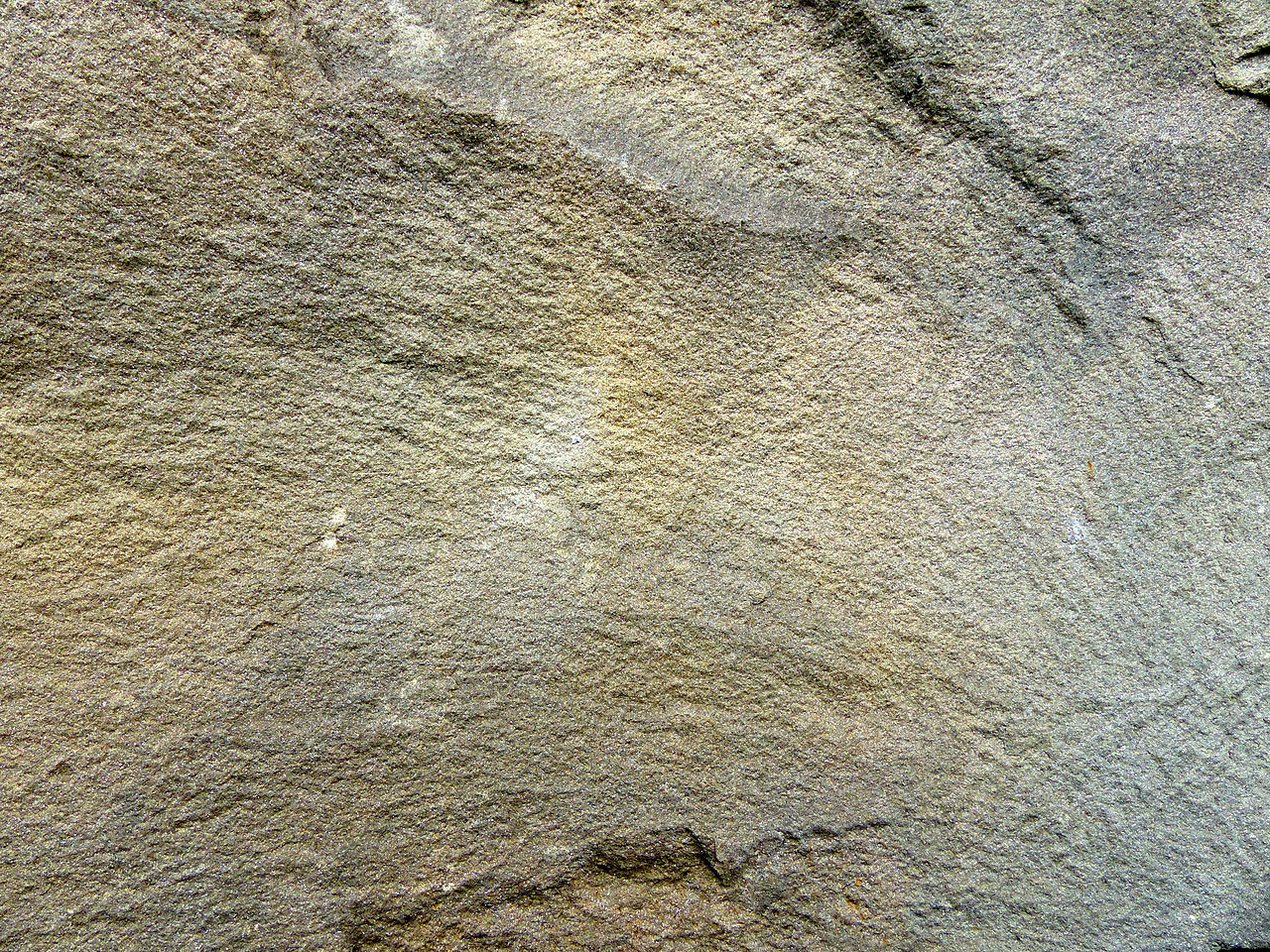
Greywacke (also spelled graywacke) is a coarse, hard variety of sandstone known for its dark color and poorly sorted mixture of constituents. It typically contains a wide range of grain sizes from sand to small gravel and is set in a compact, fine-grained matrix. Classic deposits of greywacke are abundant in Paleozoic and older marine sequences and commonly occur along ancient continental margins and in regions that experienced intense tectonic activity.
Image gallery
5 Images

Composition and texture
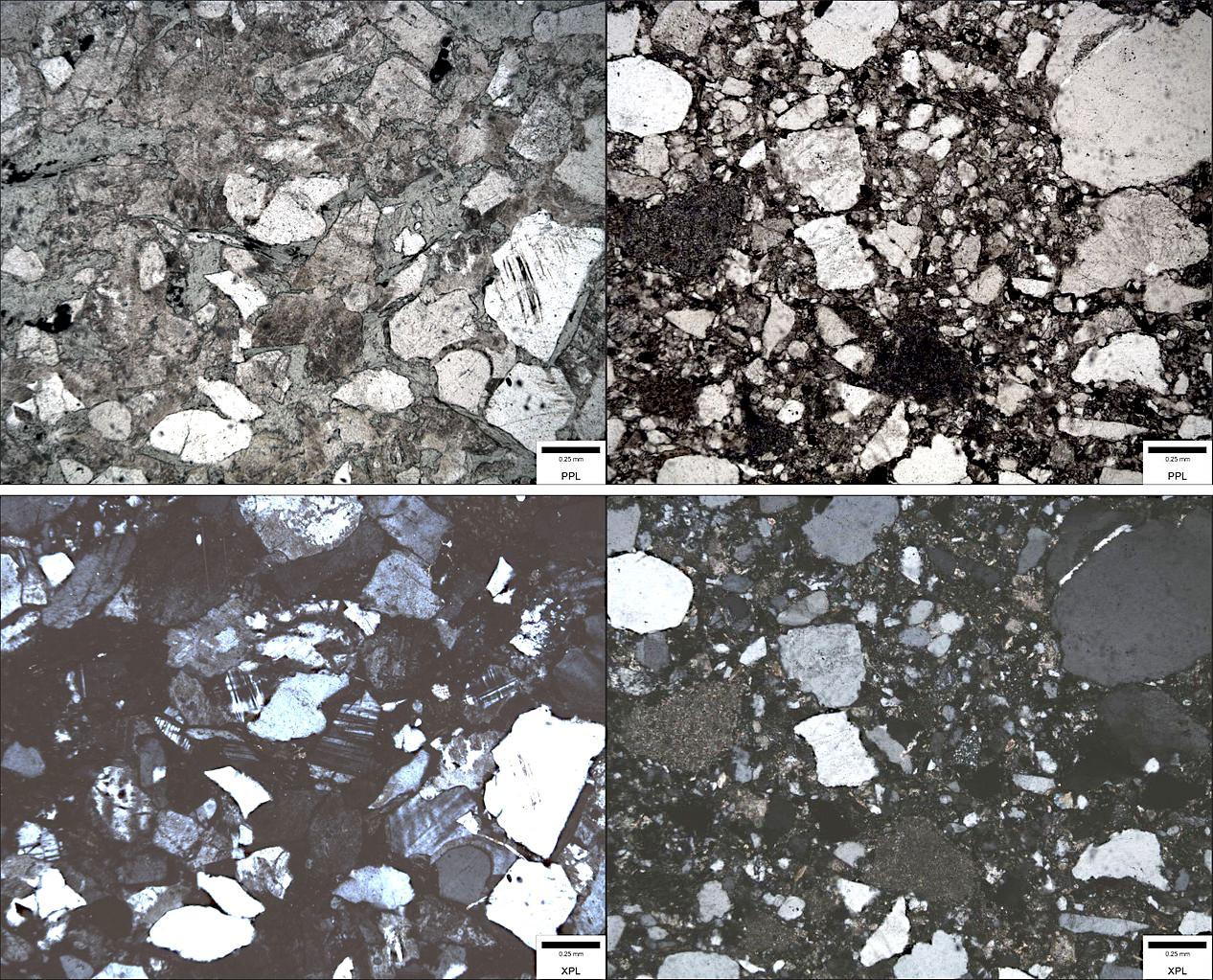
The rock consists of fragments of quartz, feldspar and rock lithic fragments together with a muddy carrier that fills space between the larger grains. Individual mineral components are frequently angular to subangular and include:
- quartz grains that provide hardness and resistance to weathering;
- feldspar grains, which indicate rapid erosion and transport from crystalline source areas;
- numerous lithic or rock fragments derived from older rocks, and a fine-grained clay or silt matrix that commonly exceeds 15% of the rock by volume.
Because the finer matrix is abundant, greywacke is distinguished from cleaner, better-sorted sandstones; its overall appearance is typically dark, compact and blocky.
Origin and depositional processes
Early sedimentologists questioned how gravel, gravel, sand and mud could be deposited together because simple settling in still water tends to sort particles by size. The prevailing model today explains greywacke as the lithified product of sediment gravity flows such as turbidity currents and submarine avalanches. These high-energy, density-driven flows churned mixed slurries of coarse and fine material and transported them down slopes into deeper marine basins. The processes are submarine in nature and commonly deposited on the outer edges of shelves and in basins at the base of slope systems.
Where it is found and geological significance
Greywacke is especially common in older (Palaeozoic) strata but is not restricted to any single age. Typical locations include the margins of continental shelves and the floors of deep basins and trenches. It is often associated with deep-marine mudstones and black shales, and is frequently found in tectonically active belts near uplifted mountain ranges or in regions that border continental shelves. Greywacke can also occur in sequences that crop out adjacent to oceanic trenches and other deep-water depositional sites.
Uses, alteration and notable facts
Although not a preferred dimension stone because of its uneven grain and tendency to fracture, greywacke has been used locally as crushed stone, for railway ballast and as a general aggregate. In tectonic settings it often undergoes low-grade metamorphism to more foliated rocks; in orogenic belts, greywacke-rich sequences have been important markers of ancient deep-marine sedimentation and basin evolution. The name itself derives from the German term for a gray, hard rock and remains in widespread use among geologists to describe these mixed, matrix-rich sandstones.
Key distinctions
- Greywacke is characterized by a high proportion of fine matrix (>15% by volume) and poor sorting compared with cleaner sandstones.
- Its angular grains and lithic fragments point to relatively rapid transport in high-energy submarine flows rather than slow, well-sorted fluvial deposition.
- Its typical occurrence with deep-marine shales helps distinguish it from fluvial or shallow-marine sandstones deposited by rivers and currents.
For more technical summaries and regional examples consult specialized literature and field guides: sandstone, quartz, feldspar, clay, Palaeozoic, strata, gravel, sand, submarine, avalanches, continental shelves, oceanic, mountain, black shales.
Questions and answers
Q: What is Greywacke?
A: Greywacke is a type of sandstone that is hard and dark in color.
Q: What is the composition of Greywacke?
A: Greywacke has different sized grains of quartz, feldspar, and small rock fragments set in a compact, fine clay matrix.
Q: Where is Greywacke mostly found?
A: Greywacke is mostly found in Palaeozoic strata.
Q: What was the problem with the origin of Greywacke?
A: The problem with the origin of Greywacke was that gravel, sand, and mud should not be laid down together because river outflow drops heavier grains first.
Q: How is Greywacke formed?
A: Geologists think that Greywacke is formed by submarine avalanches or strong turbidity currents that churn sediment and cause mixed-sediment slurries to occur.
Q: Where are deposits of Greywacke found?
A: Deposits of Greywacke are found on the edges of the continental shelves, at the bottoms of oceanic trenches, and at the bases of mountain formational areas.
Q: How is the origin of Greywacke supported?
A: The turbidity current origin of Greywacke is supported by its occurrence in association with black shales of deep-sea origin.
Related articles
Author
AlegsaOnline.com Greywacke: a dark, poorly sorted sandstone and its origins Leandro Alegsa
URL: https://en.alegsaonline.com/art/40899