
Grenfell Tower fire
The 2017 Grenfell Tower fire in west London was a catastrophic high-rise blaze that killed 72 people, exposed failures in building safety and housing policy, and prompted national reform and inquiries.
Overview
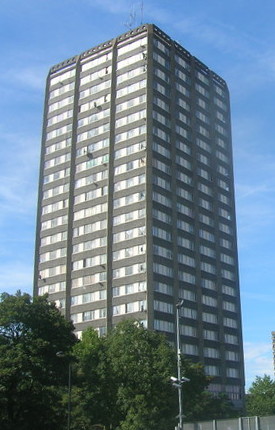
In the early hours of 14 June 2017 a major fire broke out at Grenfell Tower, a high‑rise residential block in the Royal Borough of Kensington and Chelsea in West London, England. The blaze spread rapidly through the building and resulted in the deaths of 72 people. The block was a council-owned, primarily social housing tower that housed many families and individuals in rented accommodation.
Image gallery
10 Images





Building, refurbishment and fire behaviour
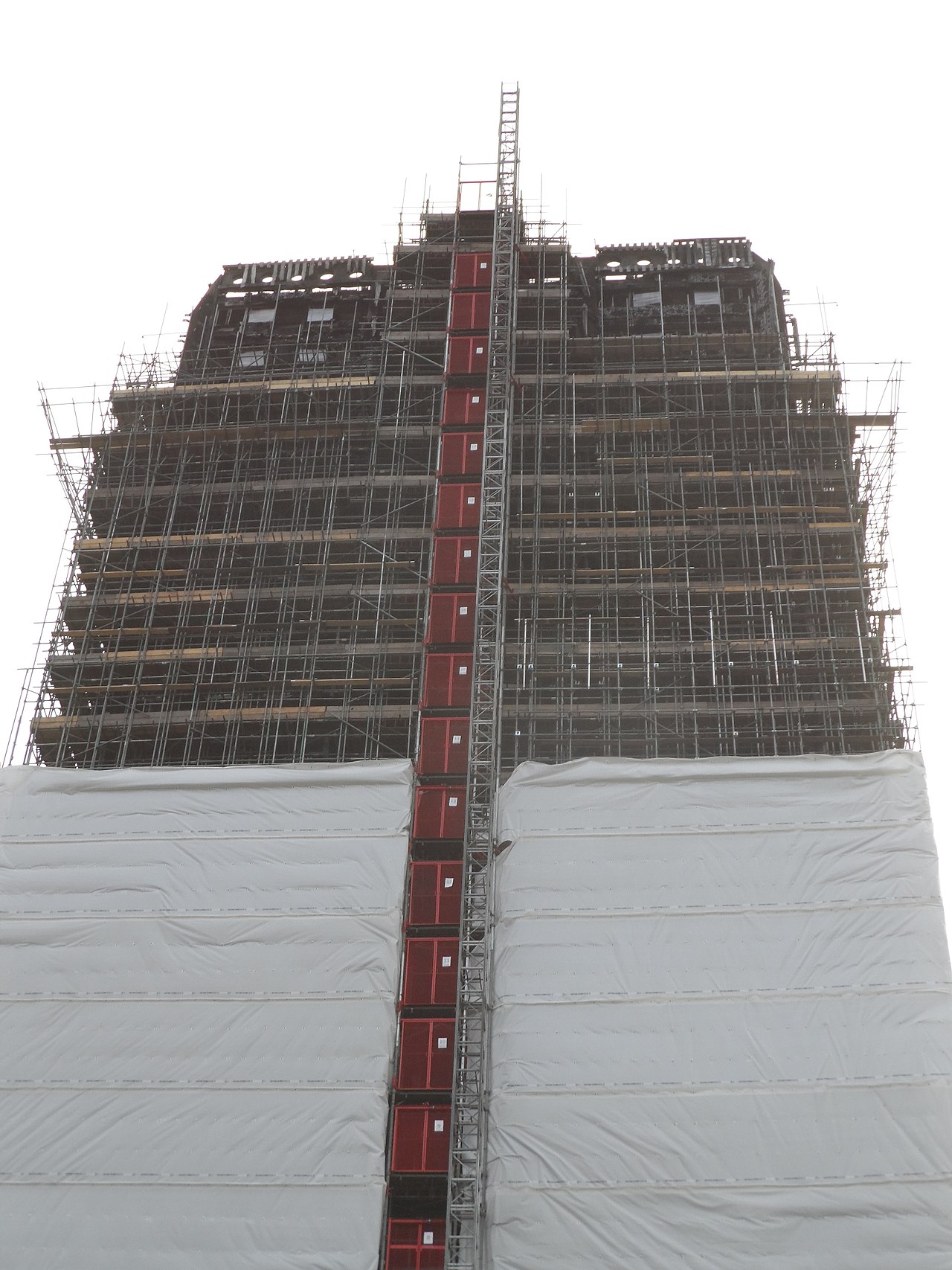
Grenfell Tower had been built in the 1970s and later received an external refurbishment. The fire began inside a flat and spread up the exterior of the building. Investigations identified that materials used on the façade and the way they were installed allowed flames and heat to travel quickly between floors, accelerating the incident beyond what would be expected for an internal flat fire.
Human impact and emergency response
The tower contained numerous individual flats, many occupied by tenants receiving financial support. A mix of smoke, heat and rapid external fire spread made evacuation and rescue operations exceptionally difficult. Fire and rescue services, ambulance crews and other emergency teams responded through the night, while local residents, volunteers and charities provided immediate assistance to survivors and displaced households.
Investigations, findings and reform
Public inquiries and regulatory reviews followed the disaster. Those processes examined the building's refurbishment, management, emergency advice, and the adequacy of national building and fire safety regulation. Findings highlighted systemic failures in how safety risks were assessed and managed, and in the oversight of materials and standards. The event prompted remediation programmes across the country to check and replace unsafe cladding, and it triggered changes in policy, guidance and industry practice.
Legacy and wider significance
The Grenfell Tower fire had a profound social and political effect. It raised questions about social housing conditions, decision-making by building owners and managers, and the allocation of resources for resident safety. Memorials and community initiatives remember those who died and support survivors, while long-term legal, regulatory and social reforms continue to unfold.
Notable facts
- The incident exposed vulnerabilities in external cladding systems and insulation used on tall residential blocks.
- It generated nationwide building inspections and removal programmes for similar materials.
- Many residents were subsidized tenants, highlighting how the tragedy intersected with housing policy and inequality debates.
Questions and answers
Q: What time did the Grenfell Tower fire start?
A: The Grenfell Tower fire started shortly before 1am BST on 14 June 2017.
Q: Where was the Grenfell Tower located?
A: The Grenfell Tower was located in the Royal Borough of Kensington and Chelsea, West London, England.
Q: How many people were killed in the fire?
A: 72 people were killed in the fire.
Q: When was Grenfell Tower built?
A: Grenfell Tower was built in 1974.
Q: What was the building used for?
A: The building was used for housing people.
Q: Was rent subsidized for those living there?
A: Yes, rent at Grenfell Tower was subsidized meaning that part or all of the rent of those living there was paid by the government.
Related articles
Author
AlegsaOnline.com Grenfell Tower fire Leandro Alegsa
URL: https://en.alegsaonline.com/art/40846
Sources
- grenfellactiongroup.wordpress.com : KCTMO – Playing with fire! Blog entry of the action group, predicting thefire.
- theguardian.com : "London fire: fears of people trapped as major blaze engulfs tower block – latest"
- bbc.com : "London fire: Six killed as Grenfell Tower engulfed"
- telegraph.co.uk : "Grenfell Tower floorplan shows how 120 flats were packed into highrise"
- bbc.co.uk : "Four ministers were warned about tower block fire risks" · web.archive.org
- independent.co.uk : "Grenfell Tower graphic: what we know about how the fire spread"
- theguardian.com : "Grenfell inquiry video shows speed at which fire spread to cladding"
- telegraph.co.uk : "'The whole building has gone': Witnesses describe screams and tears at Grenfell Tower fire in London" · web.archive.org
- bbc.co.uk : "Grenfell firefighters hampered by equipment"
- arconic.com : "Reynobond Europe ACM ACP Aluminium Composite Material"
- telegraph.co.uk : "Did faulty fridge cause Grenfell Tower fire? The theories fire chiefs will examine"
- theguardian.com : "Fire safety concerns raised by Grenfell Tower residents in 2012"
- independent.co.uk : "Residents inside 24-storey London flats on fire were told to stay inside in case of blaze"