
Greenland Sea: location, climate, ecology, and human uses
The Greenland Sea is a marginal sea between Greenland and Svalbard, linking Arctic and North Atlantic waters. It is known for cold climate, seasonal sea ice, important marine life, and historical sealing and polar research.
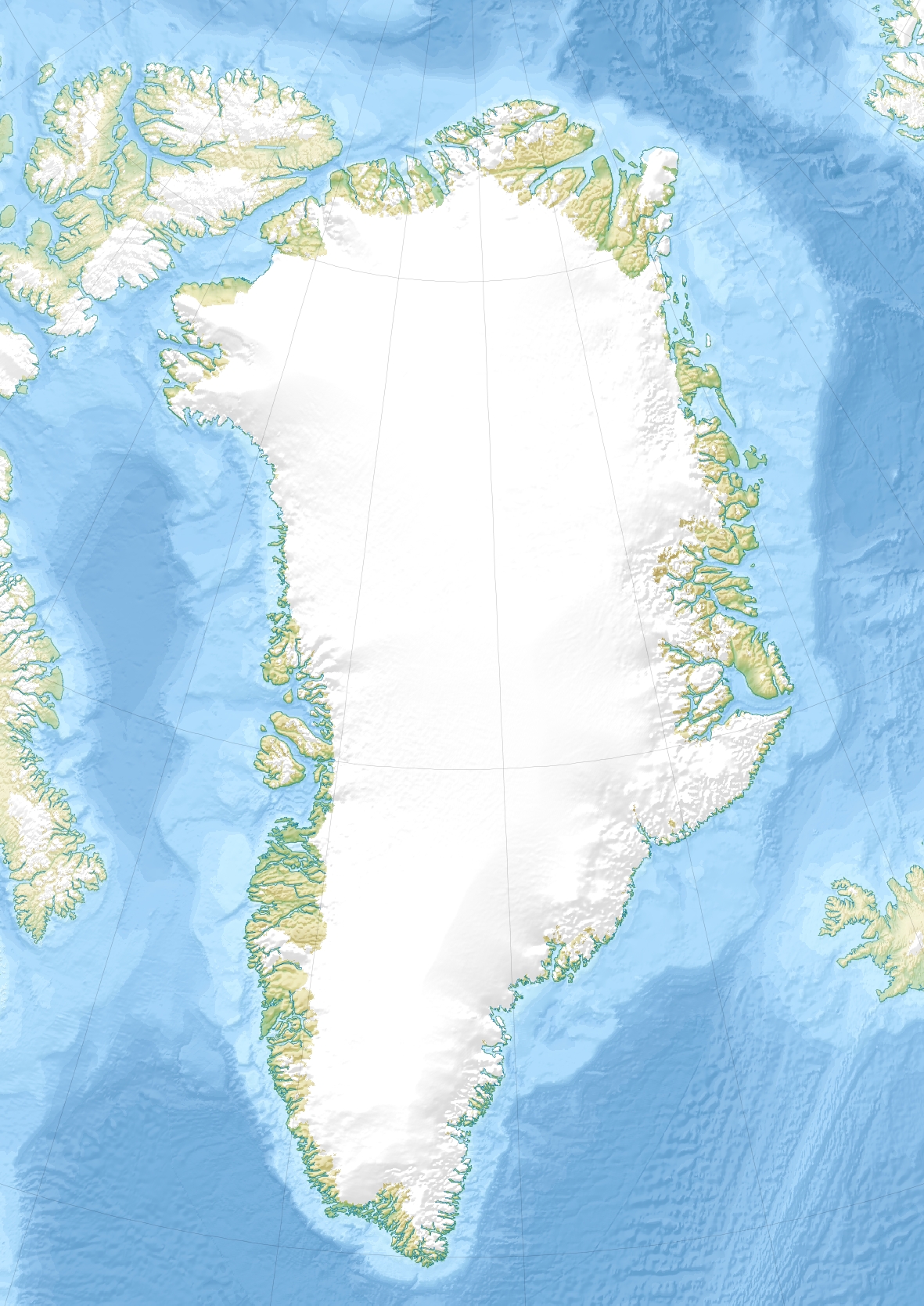
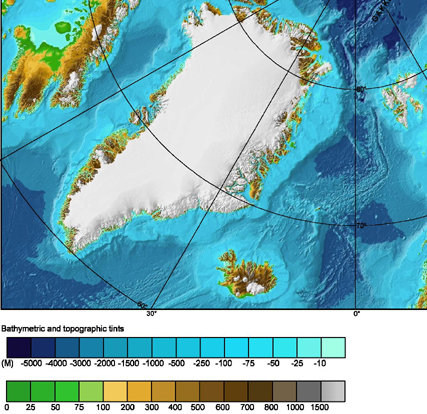
The Greenland Sea is a cold, high-latitude sea located between the eastern coast of Greenland and the western margins of the Svalbard region. It forms a transition zone between Arctic and North Atlantic waters and is variously classified as part of the Arctic Ocean or as a marginal sea of the Atlantic Ocean. Its northern limit reaches toward Fram Strait, while to the south it opens toward the Norwegian Sea and waters near Iceland.
Image gallery
9 Images




Geography and boundaries
The Greenland Sea is bounded by continental and island coasts and several important passages. To the north it connects with the Arctic through Fram Strait; to the east lie the Svalbard islands and related archipelago features. Islands and groups present in or near the sea include the Svalbard archipelago and Jan Mayen, along with smaller named islets historically recorded in navigation charts. Of these, Svalbard supports permanent settlements while Jan Mayen has only seasonal or limited staffing.
Climate and oceanography
The sea is characterized by an Arctic maritime climate: cold air masses, frequent northerly winds and long periods of ice cover. Pack ice and drifting floes are common in winter and spring. The East Greenland Current and other circulating waters carry cold polar water and sea ice southward, influencing regional weather and navigation. A seasonal feature called the West Ice forms north of Iceland between Greenland and Jan Mayen; this area is notable for persistent ice and marine life.
Ecology and wildlife
The Greenland Sea supports a range of Arctic marine species. It is an important habitat and breeding area for seals such as the harp seal and the hooded seal, which use the seasonal ice for pupping. The region also hosts seabirds, cetaceans and, where sea ice and pack ice remain, occasional polar bears and other ice-associated fauna. Cold, nutrient-rich waters support plankton blooms that underpin local food webs.
Human activities and history
Human involvement with the Greenland Sea has included indigenous use of coastal resources, historic sealing and whaling from the 18th and 19th centuries, and more recent commercial fishing and scientific research. Seal hunting in the West Ice and nearby waters has been recorded for more than two centuries. The area is also important for oceanographic study and Arctic monitoring because it occupies a key position between the high Arctic and the North Atlantic.
Notable distinctions
- The sea is a transitional oceanic zone that links the Arctic Ocean and the Atlantic Ocean, affecting large-scale water and ice transport.
- Svalbard is the main inhabited island group nearby, while other islands such as Jan Mayen have only temporary or specialized stations.
- The West Ice is recognized as a key breeding area for harp and hooded seals and has been a focal point of historical sealing activity.
The Greenland Sea remains important for understanding Arctic climate processes, conserving marine species, and managing human uses such as fisheries, shipping routes that may seasonally open, and scientific operations. Its characteristics reflect the broader shifts occurring across polar seas as climate and ice conditions evolve.
Questions and answers
Q: What is the Greenland Sea?
A: The Greenland Sea is a body of water that borders Greenland to the west, the Svalbard archipelago to the east, Fram Strait and the Arctic Ocean to the north, and the Norwegian Sea and Iceland to the south.
Q: Is the Greenland Sea part of the Arctic Ocean or the Atlantic Ocean?
A: The Greenland Sea is sometimes defined as part of the Arctic Ocean and sometimes as part of the Atlantic Ocean.
Q: What kind of climate does the Greenland Sea have?
A: The Greenland Sea has an Arctic climate with regular northern winds and temperatures rarely rising above 0°C.
Q: What is the West Ice?
A: The West Ice is a large ice formation that forms in the winter in the Greenland Sea, north of Iceland, between Greenland and Jan Mayen island.
Q: What is the significance of the West Ice?
A: The West Ice is a major breeding ground for harp seals and hooded seals, and has been used for seal hunting for over 200 years.
Q: What are some of the major islands in the Greenland Sea?
A: The major islands of the Greenland Sea include Svalbard archipelago, Edvards, Eila, Godfred Hansens, Île-de-France, Jan Mayen Lynns, Norske and Schnauders.
Q: Are any of the islands in the Greenland Sea inhabited?
A: Only the Svalbard islands are lived on, and Jan Mayen has only seasonal military staff.
Related articles
Author
AlegsaOnline.com Greenland Sea: location, climate, ecology, and human uses Leandro Alegsa
URL: https://en.alegsaonline.com/art/40746
Sources
- slovari.yandex.ru : "Greenland Sea"
- britannica.com : "Greenland Sea"
- marbef.org : Greenland Sea
- books.google.com : Descriptive Physical Oceanography
- islands.unep.ch : Islands of Greenland (Denmark)