
Great horned owl (Bubo virginianus)
Large, adaptable American owl (Bubo virginianus) known for ear tufts, deep hoots, broad diet and varied habitats from forests and mountains to deserts and cities.
Overview
The great horned owl (Bubo virginianus) is a large, powerful nocturnal raptor commonly called the hoot owl. Often cited among the largest owls found in North America, it is widely recognized by its feather tufts or "horns," yellow eyes and a low, far-carrying hoot. The species is highly adaptable and occupies a variety of landscapes across both continents.
Image gallery
10 Images



Appearance and behavior
Adults have a robust body, broad wings and strong legs equipped with sharp talons. The ear tufts are feather projections used in display and camouflage, not hearing. Plumage tones vary from gray-brown to buff, providing effective concealment against tree bark and rocky ledges. Great horned owls are mainly nocturnal but can be crepuscular; they fly almost silently and rely on keen night vision and acute hearing for hunting.
Habitat and range
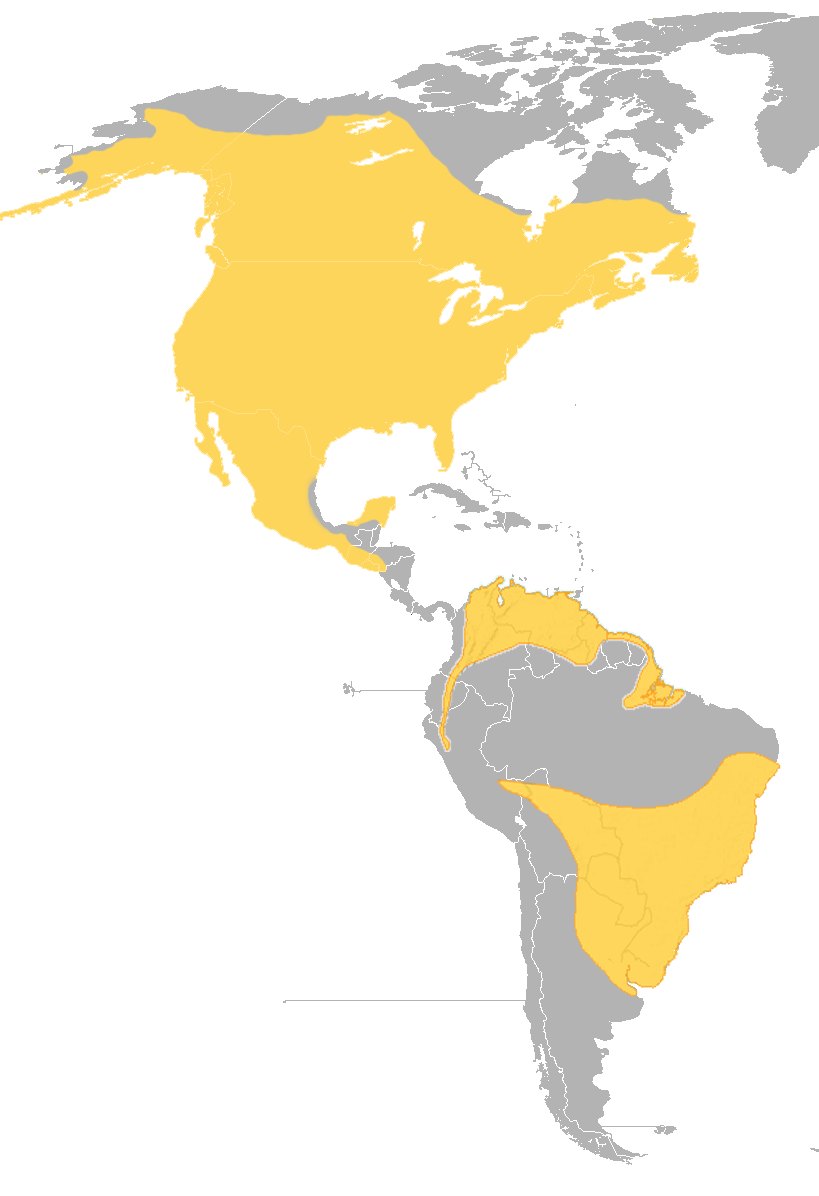
This species occupies a wide array of environments, from mountains and grasslands to conifer forests, deserts, scrublands and suburban areas. They breed broadly across much of North America and extend into parts of South America. Their ability to use diverse habitats, including human-altered landscapes, contributes to their widespread distribution.
Diet and hunting
Great horned owls are opportunistic predators with a highly varied diet. They take small to medium-sized mammals such as rodents, rabbits and hares, a wide range of birds including other raptors, and occasional reptiles, amphibians and large insects. They have been recorded taking tough or spiny prey like skunks and porcupines thanks to their powerful grip and feathered feet. Hunting strategies include perch-and-pounce ambushes and low, silent flight while listening and watching for movement.
Reproduction and life history
Pairs are generally territorial and often remain together across seasons. Great horned owls commonly appropriate nests built by other large birds, but will also nest in tree cavities, on cliffs or on ledges. Clutch sizes are modest and adults share incubation and chick care. Juveniles fledge weeks after hatching but may remain dependent for some time. In the wild individuals can live several years when not affected by human-related hazards.
Interactions with other species
As a top nocturnal predator, the great horned owl influences populations of small mammals and other birds, sometimes preying on competitors like other owl species. They may be mobbed by smaller birds when nesting and occasionally compete with raptors for nest sites and territory. Their predation on mesopredators can affect local ecological balances.
Conservation and human relationships
Overall the species is not considered globally threatened and remains common in many regions, but local populations face pressures from habitat loss, vehicle collisions, electrocution, and secondary poisoning from rodenticides. Conservation efforts emphasize reducing chemical risks, protecting nesting areas and educating the public to reduce conflicts. Great horned owls appear frequently in folklore and natural history education and serve as an accessible example of raptor ecology.
Notable distinctions
Compared with other large Bubo species, the great horned owl is notable for its broad ecological tolerance and frequent use of varied landscapes, including urban and agricultural areas. Vocalizations, patterning and regional variations distinguish it from relatives, while its role as a dominant nocturnal predator makes it a key species in many North and South American ecosystems.
Questions and answers
Q: What is the Great horned owl?
A: The Great horned owl is the largest owl in North America and is sometimes called the hoot owl.
Q: Where does the Great horned owl live?
A: The Great horned owl lives in mountains, grasslands, conifer forests, deserts, chapparals, and many other habitats in North and South America.
Q: What kind of bird is the Great horned owl?
A: The Great horned owl is a bird of prey.
Q: What is the call of the Great horned owl?
A: The call of the Great horned owl is a far-carrying hoot.
Q: Is the Great horned owl confined to a specific region?
A: No, the Great horned owl is widespread and can be found in many different habitats across North and South America.
Q: How does the Great horned owl hunt?
A: The Great horned owl hunts by flying silently and swooping down on its prey.
Q: What is the scientific name of the Great horned owl?
A: The scientific name of the Great horned owl is Bubo virginianus.
Related articles
Author
AlegsaOnline.com Great horned owl (Bubo virginianus) Leandro Alegsa
URL: https://en.alegsaonline.com/art/40513