
Great Glen (Scotland): geography, geology, history and uses
A long glen in Scotland formed along the Great Glen Fault, stretching from Inverness to Fort William; important for transport, geology, lochs, history and tourism.
Overview
The Great Glen is a prominent linear valley in Scotland that extends roughly 100 kilometres from Inverness on the Moray Firth to the area of Fort William at the head of Loch Linnhe. The corridor is defined by a chain of lochs, river sections and low ground that together form one of the most conspicuous landscape features of the Scottish Highlands.
Image gallery
3 Images

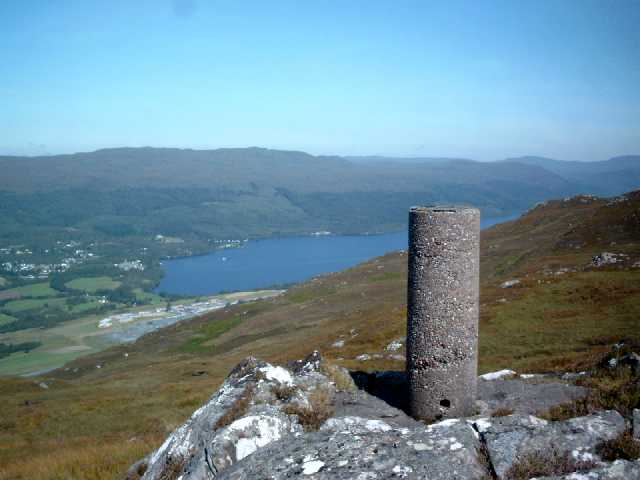
Geography and principal features
The glen contains several large freshwater lochs linked by natural waterways and sections of the Caledonian Canal. Notable water bodies and built features include:
- Loch Dochfour and the River Ness near Inverness
- Loch Ness, famous for its depth and folklore
- Loch Oich and Loch Lochy further southwest
- The Caledonian Canal, which connects these lochs for navigation
- The A82 road, the main road route that follows much of the glen
Geology and formation
The line of the Great Glen follows the major tectonic break known as the Great Glen Fault. This fault is a long-lived crustal structure that accommodated movement during ancient mountain-building events and was later reshaped by repeated glaciations. During the ice ages, glaciers deepened and straightened the valley, carving the basins that now hold the lochs and producing the characteristic straight profile of the glen.
Historical development and human use
Because it provides a comparatively low and direct route across the otherwise rugged Highlands, the Great Glen has long been a strategic corridor. In the 18th century military roads and later 19th-century engineering works—most notably the construction of the Caledonian Canal under the direction of engineers such as Thomas Telford—improved communication and navigation between coasts. The modern A82 road continues this role, linking communities and facilitating tourism.
Ecology, recreation and cultural notes
The glen supports a mix of freshwater, woodland and upland habitats; its lochs host fish species such as salmon and trout, and the surrounding hills sustain heather moorland and typical highland fauna. Loch Ness and the Great Glen more broadly attract large numbers of visitors each year for boating, fishing, hiking and wildlife watching. The area also carries a strong cultural resonance through stories, art and local traditions.
Distinctive significance
Geographically the Great Glen effectively divides the Scottish Highlands into two broad regions: the Grampian Mountains to the southeast and the Northwest Highlands to the northwest. This combination of clear geological structure, linked inland waterways, and long-standing human use makes the glen an important subject for studies in geology, landscape history and conservation, as well as a key travel route in modern Scotland.
For practical information on visitor facilities, navigation and conservation measures, consult local guides and official resources such as regional visitor centres and transport authorities. For more background reading and maps, see references and resources available through regional archives and geological surveys.
Questions and answers
Q: What is the Great Glen?
A: The Great Glen is a series of glens in Scotland that runs 100 kilometres from Inverness to Fort William.
Q: What geological feature does the Great Glen follow?
A: The Great Glen follows a large geological fault known as the Great Glen Fault.
Q: What mountains does the Great Glen bisect?
A: The Great Glen bisects the Scottish Highlands into the Grampian Mountains to the southeast and the Northwest Highlands to the northwest.
Q: What is the significance of the Great Glen in Scotland?
A: The Great Glen is a natural travelling route in the Highlands of Scotland that is used by both the Caledonian Canal and the A82 road, which link the city of Inverness with Fort William.
Q: How long is the Great Glen?
A: The Great Glen is 100 kilometres long.
Q: Where does the Great Glen start and end?
A: The Great Glen starts at Inverness on the Moray Firth and ends at Fort William at the head of Loch Linnhe.
Q: What connects Inverness and Fort William along the Great Glen?
A: The Caledonian Canal and the A82 road link Inverness and Fort William along the Great Glen.
Related articles
Author
AlegsaOnline.com Great Glen (Scotland): geography, geology, history and uses Leandro Alegsa
URL: https://en.alegsaonline.com/art/40506
Sources
- scottish-places.info : "Overview of Great Glen Fault"