
Andrew: origin, variants, history, and notable uses
Andrew is a masculine given name of Greek origin. This article explains its meaning, linguistic variants, historical spread, cultural presence, and notable uses including the 1992 Hurricane Andrew.
Overview
Andrew is a common masculine given name found across many languages and cultures. Its long history, adaptability to local forms, and use by religious, political, and cultural figures have kept it in steady use for centuries. In English-speaking countries the name has been particularly visible; it was among the popular choices in the late 20th century for English speakers and saw strong usage in the 1990s during that decade.
Image gallery
1 Image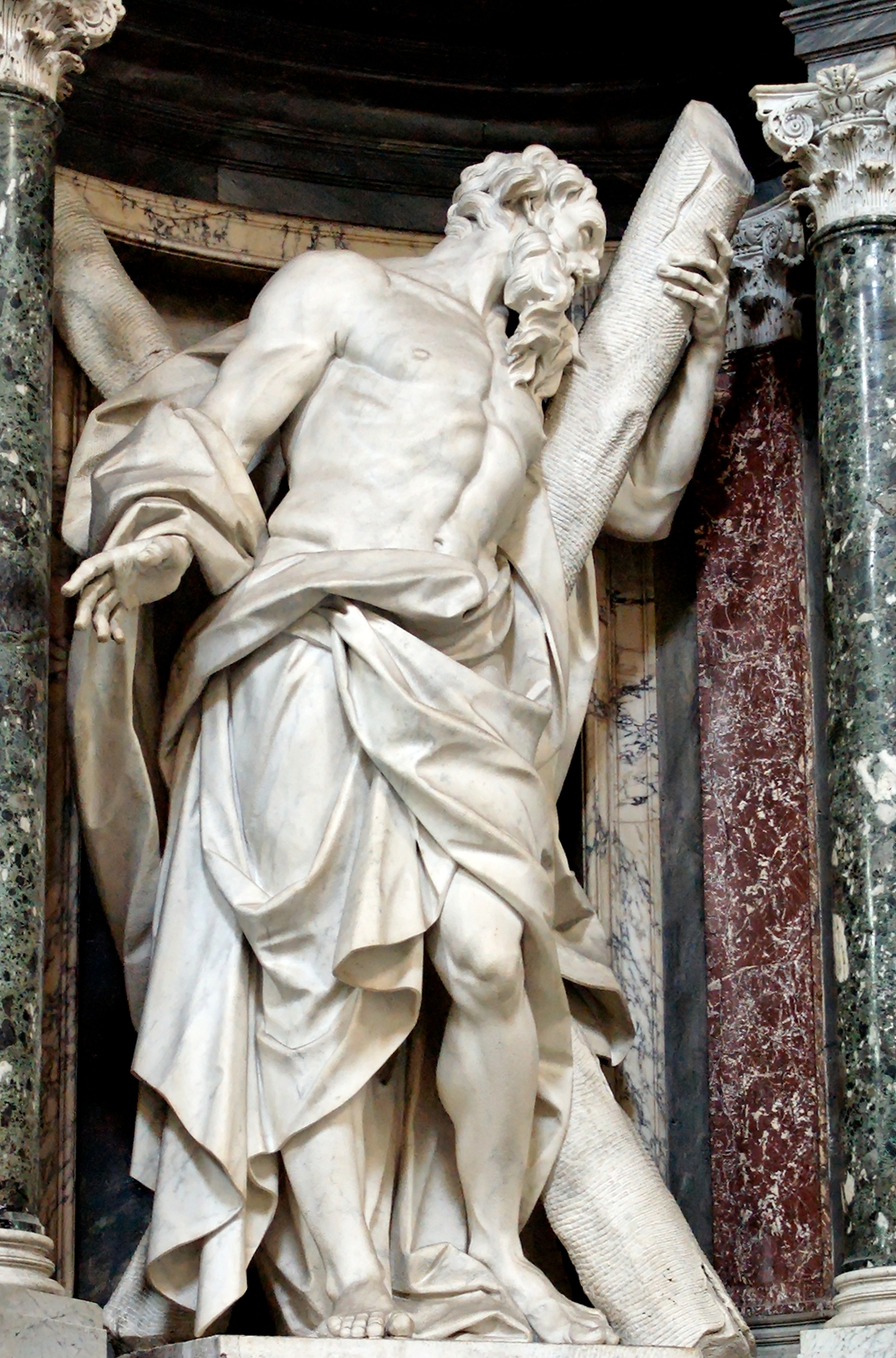
Etymology and variants
The name derives from the ancient Greek name Andreas (Ανδρέας), rooted in the word aner/andros meaning "man" or "manly." Over time it produced many cognates and diminutives across languages. Common modern forms include:
- Andreas (Greek, Germanic use),
- André (French),
- Andrés (Spanish),
- Andrei (Russian and other Slavic languages),
- Andy (English diminutive).
Historical spread and significance
The name gained early prominence from Saint Andrew, one of the Twelve Apostles in Christian tradition, often regarded as the patron saint of Scotland, Romania and several other places. Its religious associations helped transmit the name throughout medieval Europe. In later centuries, the name continued to appear among royalty, clergy, merchants and immigrants, which further spread its use internationally.
Notable bearers and cultural presence
Numerous public figures have borne the name Andrew, ranging from historical leaders to modern entertainers and scientists. Cultural references include literature, film and music, and the name appears frequently in both formal and familiar contexts. The name also entered public consciousness through events: for example, Hurricane Andrew struck southern Florida in 1992 and moved into central Louisiana afterward, causing severe destruction and becoming one of the most remembered storms in recent U.S. history.
Usage today and distinctions
Andrew remains a versatile choice: formal and recognizably traditional, yet with approachable diminutives such as Andy. Its international cousins allow parents to pick forms that suit language and culture while keeping a shared root and meaning. Trends in popularity fluctuate by country and era, but the name's deep historical roots and broad cultural footprint ensure it remains familiar and widely used.
Questions and answers
Q: What is the meaning of the name Andrew?
A: Andrew is a masculine given name.
Q: Was Andrew a popular name in English-speaking countries in the 1990s?
A: Yes, Andrew was a very popular name in English-speaking countries in the 1990s.
Q: Are there any famous people who have the name Andrew?
A: Yes, there are many celebrities and famous people who have the name Andrew.
Q: When did a hurricane with the name Andrew hit Florida and central Louisiana?
A: A hurricane with the name Andrew hit Florida and central Louisiana in 1992.
Q: How much destruction did the hurricane with the name Andrew cause?
A: The hurricane with the name Andrew caused more than $35 billion in destruction.
Q: Did the hurricane with the name Andrew only hit Florida?
A: No, the hurricane with the name Andrew hit Florida and central Louisiana.
Q: Is Andrew a gender-neutral name?
A: No, Andrew is a masculine given name.
Tags
Related articles
Author
AlegsaOnline.com Andrew: origin, variants, history, and notable uses Leandro Alegsa
URL: https://en.alegsaonline.com/art/4023