
Grand Forks, North Dakota
City on the Red River in northeastern North Dakota; regional center for education, healthcare, and riverfront commerce, founded in 1870 and paired with East Grand Forks, Minnesota.
Overview
Grand Forks is a city in North Dakota situated along the Red River of the North. It serves as the county seat of Grand Forks County and is one of the larger urban centers in the state. The community functions as a regional hub for education, health services, retail and light industry, and has a closely linked twin-city relationship with a city on the opposite bank of the river.
Image gallery
10 Images



Geography and setting
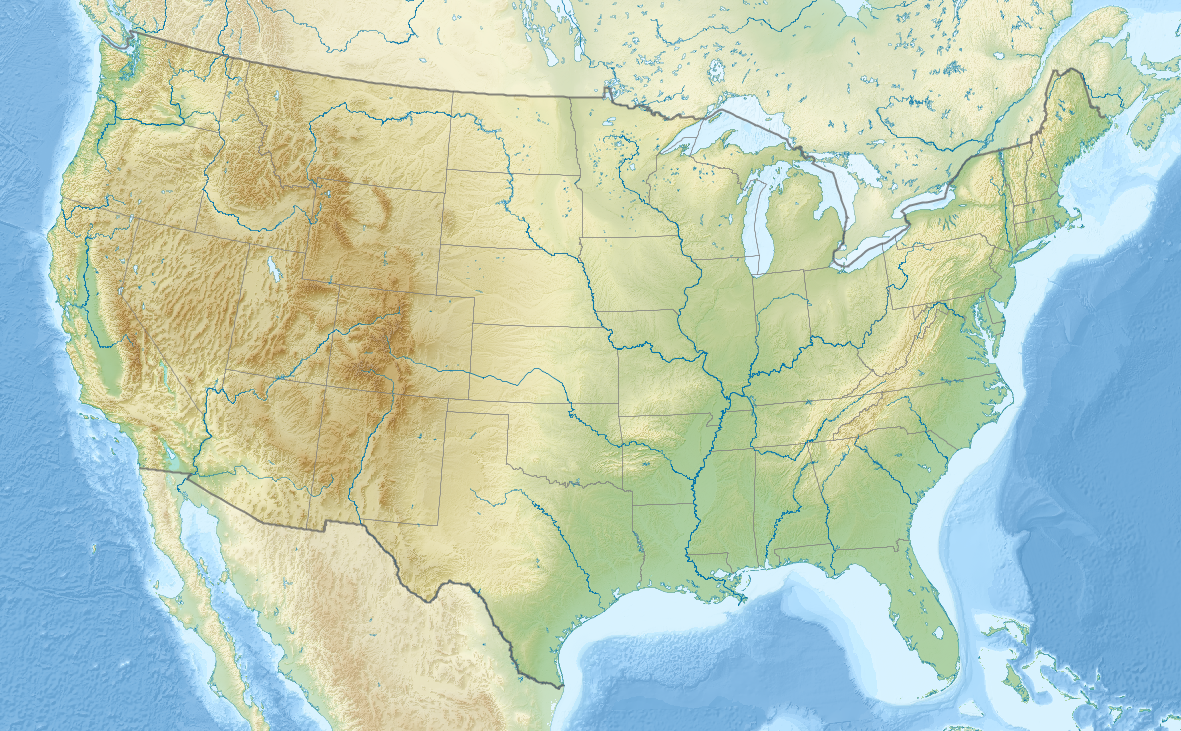
Located on a broad river plain, the city's layout and infrastructure reflect its riverside position and prairie climate. Across the river is East Grand Forks, in Minnesota, forming a cross-state metropolitan area with shared economic and transportation ties. The surrounding landscape is characterized by agricultural lands, floodplains and a mix of urban and suburban neighborhoods.
History and development
Grand Forks was founded by Alexander Griggs and formally established on June 15 in 1870. Its growth followed river transport and later rail connections, which encouraged settlement and commerce. Over time the city expanded through industry and education; it experienced notable floods that shaped local planning and led to substantial investment in flood protection and riverfront redevelopment.
Economy, institutions and culture
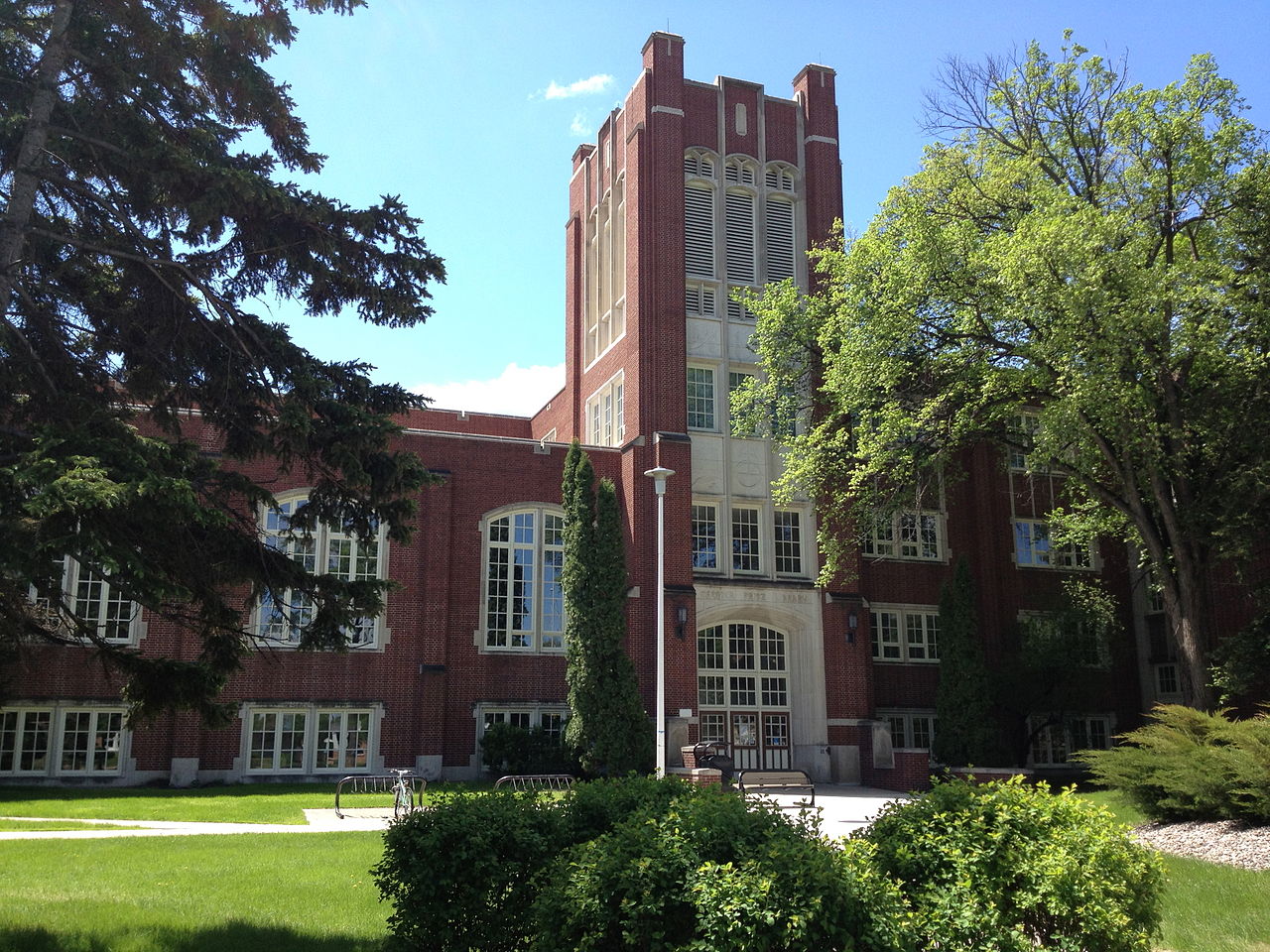
The local economy mixes public and private employers: higher education institutions, medical centers, defense and technology contractors, agricultural services and retail. Cultural life includes museums, performing arts venues, festivals and riverfront parks. The city also acts as a service center for the region, drawing shoppers and patients from surrounding counties and towns.
Regional context and distinctions
Within North Dakota, Grand Forks ranks behind cities such as Fargo and Bismarck in population but remains important for its cross-border partnership with East Grand Forks and for institutions that serve northern Plains communities. Its riverfront location and university presence give it distinct civic and cultural roles compared with other state cities.
Practical information and points of interest
- Major transportation links: regional highways, local airport, and rail connections that serve freight and passenger needs.
- Educational institutions and medical centers that serve a multi-county area.
- Recreational assets: riverfront parks, trails, and seasonal community events.
Visitors and residents encounter a city shaped by its riverside geography, historical growth from river and rail, and contemporary roles in education and regional services. For more detailed resources and local guides, consult municipal and regional information portals.
Questions and answers
Q: What is Grand Forks?
A: Grand Forks is a city in North Dakota.
Q: Who founded Grand Forks?
A: Grand Forks was founded by Alexander Griggs.
Q: When was Grand Forks founded?
A: Grand Forks was founded on June 15, 1870.
Q: How many people live in Grand Forks?
A: The population of Grand Forks is slightly over 50,000.
Q: What is the county seat of Grand Forks County?
A: Grand Forks is the county seat of Grand Forks County.
Q: How does Grand Forks compare to other cities in North Dakota in terms of size?
A: Grand Forks is the third-largest city in North Dakota after Fargo and Bismarck.
Q: What is across the river from Grand Forks?
A: Across the river from Grand Forks is East Grand Forks, Minnesota.
Related articles
Author
AlegsaOnline.com Grand Forks, North Dakota Leandro Alegsa
URL: https://en.alegsaonline.com/art/40196
Sources
- geonames.usgs.gov : "US Board on Geographic Names"